Public input needed for I-270 improvement project, Colorado Department of Transportation says
The Colorado Department of Transportation and local interest groups are developing plans to improve traffic on I-270, but they are taking very different approaches. Both groups are calling on the community to join in public hearings to weigh in.
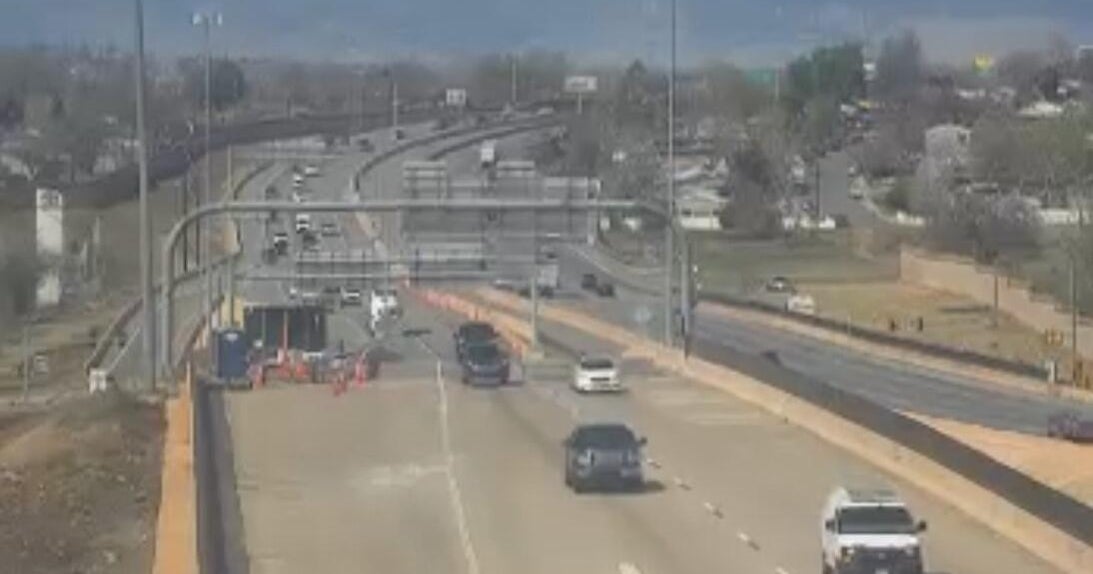
A six-mile stretch of the interstate between I-25 and I-70 regularly experiences heavy congestion, and CDOT says the infrastructure is aging. Approximately 100,000 users travel the interstate each day, and officials report that 12 bridges along the route are in poor or deteriorating condition.
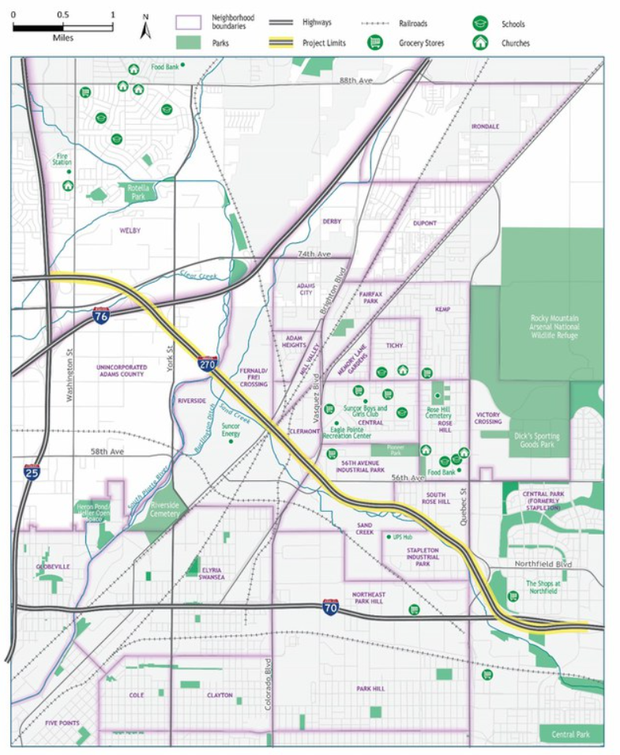
CDOT and the Federal Highway Administration have developed a Draft Environmental Impact Statement that explores potential solutions and impacts to improve I-270, and are holding several public hearings this month for the community to voice questions and concerns.
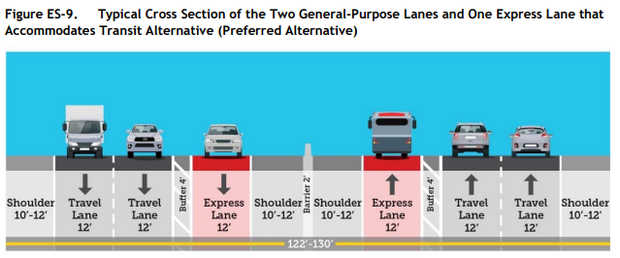
The department's preferred option is to add a new lane in each direction and a toll lane, and to build new bridges to replace the aging structures. The project could cost over $800 million, CDOT says.
"Benefits of this design include improved safety, better travel time reliability, improved transit and freight operations, and community enhancements," a release from CDOT explained. "The preferred alternative reflects extensive technical analysis and incorporates public, stakeholder and agency input gathered throughout the multi-year planning process."
But local interest groups like GreenLatinos are concerned about the health and safety of the many Latino communities that live along the corridor. GreenLatinos has developed a Healthy Communities Alternate Proposal, which it says will protect clean air, improve safety and advance environmental justice for those communities.
"Our Healthy Communities proposal shows we can improve safety and mobility without widening the highway or repeating the same harms that Latino communities have faced for generations," said Patricia Garcia-Nelson, Advocate with GreenLatinos. "Rather than adding lanes, the proposal prioritizes pollution reduction, people-centered street design, traffic management strategies that do not increase emissions, and investments shaped by community voices — not industry interests."
Both organizations encouraged the community to attend online and public hearings, the next of which will be held at Adams City High School on Jan. 8 from 5-8 p.m. Other in-person meetings will take place on Jan. 10 from 9 a.m. to noon, and on Jan. 13 from 5-8 p.m.
The next webinar will take place over Zoom on Jan. 15 from 5-6 p.m. and will include a project presentation and a detailed description of the Express Lane option.
Each hearing includes bilingual display boards, a presentation and an opportunity for attendees to ask questions and provide comments. Comment cards are available to fill out online for in-person meetings, and written comments can be submitted following the webinars. All comments must be submitted by Jan. 20.
Completion of the environmental study is expected in the fall of 2026.