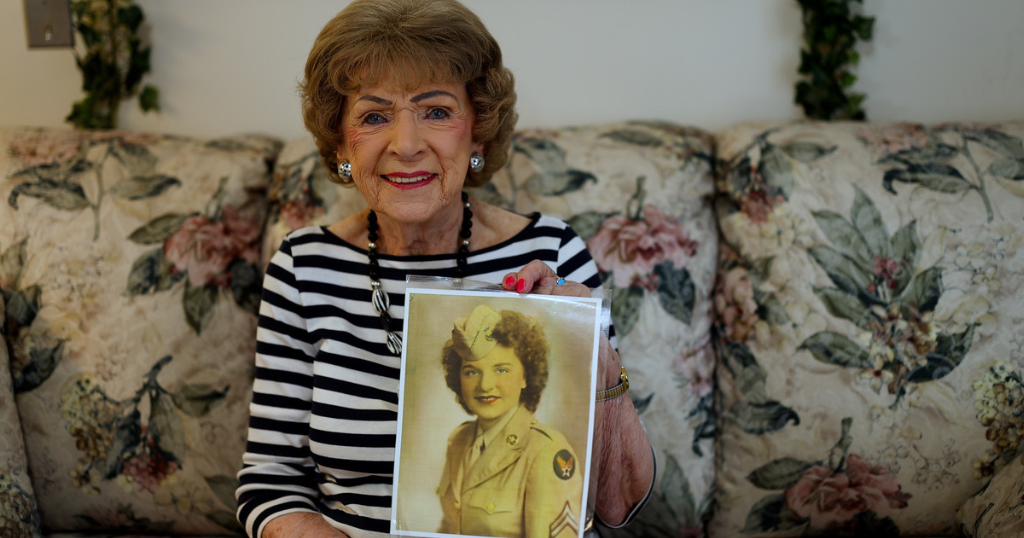
Music can boost mood, lessons can be therapeutic tool for musicians of all ages
Research shows that music can boost mood and wellbeing and studies are showing that it can be a therapeutic tool for many other health conditions, including Alzheimer's Disease.
One woman is picking up her guitar after a decades-long break and taking classes at the Neighborhood Music School in Aurora.

"I just love it!" said Victoria Gillette.
The 74-year-old tucked away her guitar decades ago to raise a family. Now she's "picking" up right where she left off.
"I'm into fingerpicking now. which is my ultimate goal," said Gillette.
Music teacher Alex Wenzel is helping her achieve that goal.
"What's cool is that you're starting to use your pinky where you should to grab those extra melody notes," said Wenzel.
Music lessons may be more than just learning how to play, but also provide health benefits, especially for older students.

"Social benefits, hand-eye coordination benefits, fine motor skill development," said Wenzel.
"My fingers aren't as nimble as they used to be, and that holds me back I know, but I don't care... I'm going to do it!" said Gillette.
Medical research shows music is effective in reducing anxiety and depression as well as treating and slowing down cognitive symptoms of dementia.
"It is a different way of thinking, music is...and I think that probably stimulates something in your brain," said Gillette.
It's not necessarily why Gillette picked up the guitar again, but it is something that's almost always on her mind.
"My husband died of Alzheimer's and it was a terrible disease," said Gillette. "It was the most dreadful thing I think I've ever seen, and I certainly don't want that to happen to me. He lost himself."
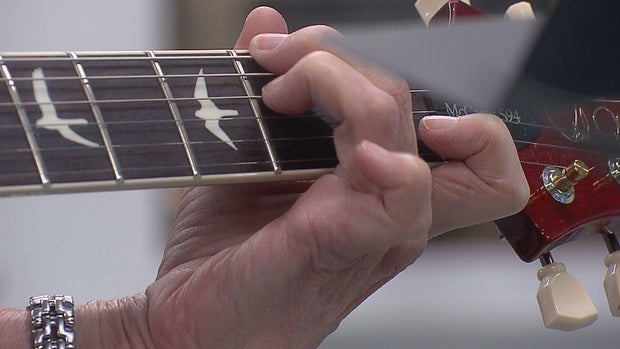
She often finds herself getting lost in the music but she's not losing sight of her goal, practicing every day which brings her great joy and peace of mind.