A deal still hasn't been reached between Lower Basin and Upper Basin states on management of Colorado River
One day before the deadline, states in the Upper Colorado River Basin reached consensus on how to manage water rights and dwindling resources moving forward, but the Lower Basin states rejected the plan as unfair.
Representatives from Colorado, Utah, Wyoming, New Mexico, California, Nevada and Arizona have been working to reach a new agreement as demand and threats to the river's water supply continue to increase. Management of Colorado River resources has been governed by the Colorado River Compact since 1922, but disputes over water use and resource constraints have led to lawsuits in recent years.
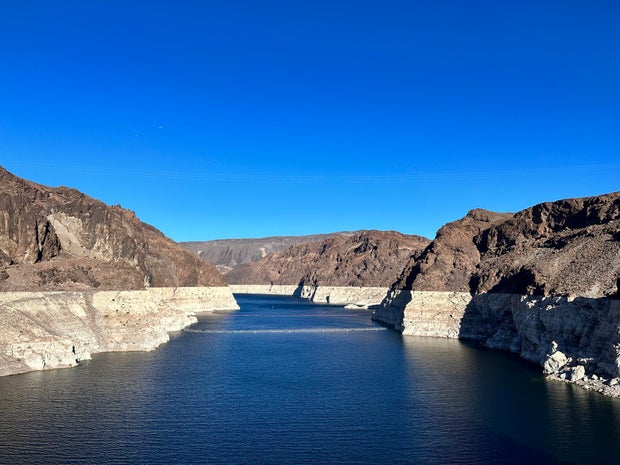
The Bureau of Reclamation says several decision documents and agreements governing the river's operation are set to expire at the end of this year. The western states have been working to renegotiate the water use pact for over two years and missed the November deadline to reach a new agreement. A new deadline was set for Feb. 14.
Representatives of the seven states entered talks in the nation's capital at the end of January.
On Friday, the four Upper Basin states, Colorado, Utah, Wyoming and New Mexico, announced that they reached consensus on a "durable, long-term, basin-wide agreement on post 2026 Colorado River operations." They say that everyone in the basin must learn to live within the available supply, and that the Upper Basin is preparing for necessary and painful cuts to its water supplies.
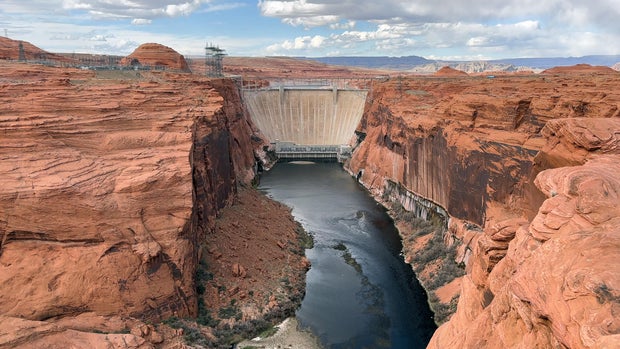
A statement issued by the Upper Basin states on Friday said, "Upper Basin water users are preparing for reductions of more than 2.0 MAF this year. Across the entire Upper Basin, this will amount to reductions greater than 40% of the proven water rights. Meanwhile, our downstream neighbors are seeking to secure water from the UDS that simply does not exist."
John Entsminger, general manager of the Southern Nevada Water Authority in Las Vegas, also issued a statement on Friday, explaining that the states have "failed to reach an agreement to collectively protect our respective communities and economies in the face of almost certain reductions to our use of the river."
Arizona Gov. Katie Hobbs, California Gov. Gavin Newsom and Nevada Gov. Joe Lombardo said in a news release that management of the river "must be built on a foundation of shared contribution and innovation, with all Colorado River water users stretching to conserve water." They asserted that the Lower Basin states have already offered to reduce their share and asserted that their stance remains "firm and fair."
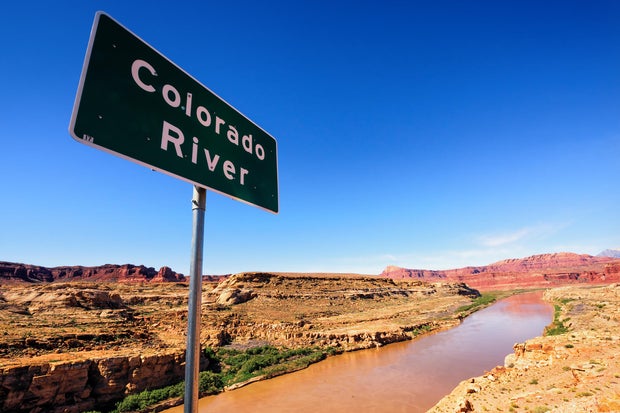
The Lower Basin states added that they contain approximately 75% of the population, employment, and crop sales supported by the river. They also include 25 Indigenous tribes that depend on it. Utah, Arizona and Nevada are also among the top ten states in percent growth from 2024 to 2025.
Upper Colorado River Commission Chair and Colorado Commissioner, Becky Mitchell, said, "We're being asked to solve a problem we didn't create with water we don't have. The Upper Division's approach is aligned with hydrologic reality and we're ready to move forward."
New Mexico Commissioner Estevan Lopez warned that unrealistic demands on the system will damage the entire basin.
"The River is telling us the truth every year," he asserted. "We can either negotiate based on real conditions, including this year's critically low hydrology in the Upper Basin, or we can keep repeating outdated assumptions until the system breaks. The Upper Division is choosing realism and responsibility."