How Long Will It Take Fourmile Fire Area To Recover?
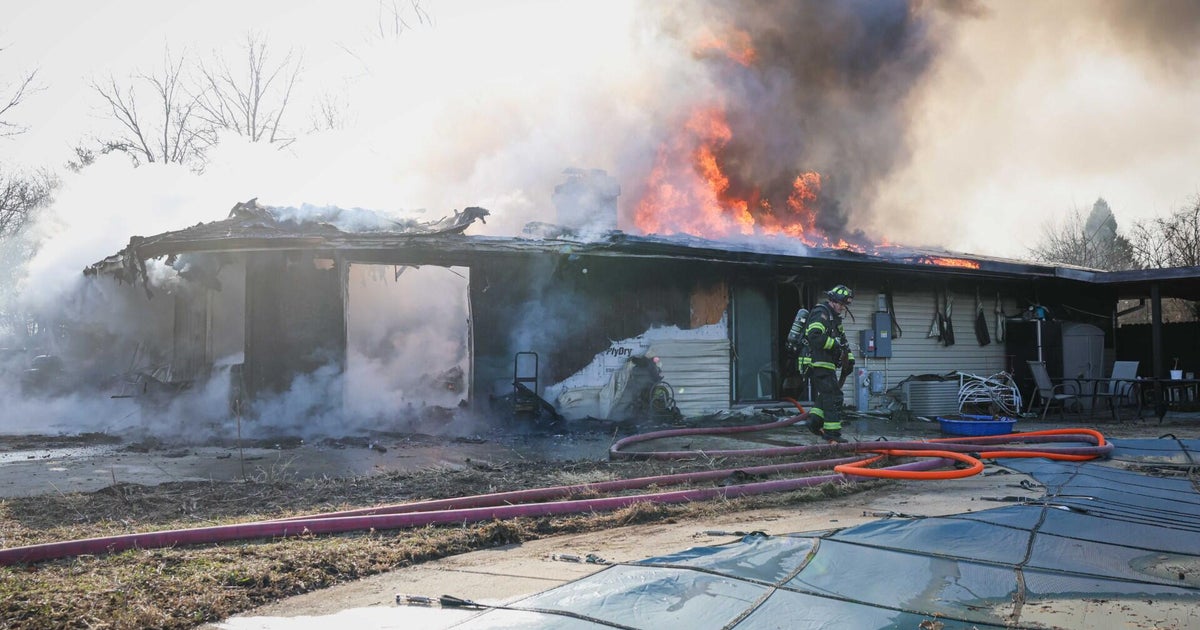
BOULDER (CBS4) - Pan the camera left and right and what you see is a landscape with the color setting turned off. It's black and grey. Green is gone. People in the Fourmile Fire area had better get used to it.
The now-black landscape is familiar to firefighters like Don Ferguson of the Great Basin Fire Management team.
"I've had people tell me, my home is insured, my view is not insured," Ferguson told CBS4.
The value of the forest loss is very hard to calculate. Even rebuilt homes are less likely to be worth what they were before the fire because of the loss of landscape.
There are immediate worries, though. Colorado State Forest Service district forester Allen Owen is worried about erosion.
"We may (have it) depending upon slope, its location and the burn severity. We lose the ground cover, the vegetation that stabilizes those soils and that's our primary concern."
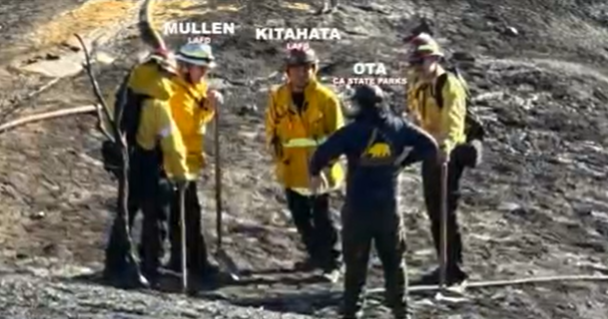
Teams are already surveying in the burn area to see what needs immediate remediation. A big rainstorm could send mudslides cascading into roads and property below.
"What happens in the severe burn areas is your soils become hydrophobic. In the sense that they become waxy like and the seed source is burned in that area and water tends to run off that waxy like area," says Owen.
That waxy layer beneath has been baked.
The problem of remediation is complicated by the mix of property ownership in the Fourmile fire area. Approximately 28 percent of the land belongs to the Bureau of Land Management. Five percent is U.S. Forest Service land. Two percent is other federal land. One percent state land. And 64 percent is privately held.
Things were much easier after the Hayman Fire, which burned far more (135,000 acres) but was largely National Forest.
The other difference is that in the Hayman burn area the trees were mostly lodgepole pines. Lodgepole depends upon fire to open its tough cones.
The south and west slopes of the Fourmile fire were covered with ponderosa pines. Ponderosa pine does not need fire to open its cones, but it is no stranger to fire.
"It's a fire dependent ecosystem. It has evolved with fire," said Owen, noting its thick bark.
Forestry experts had been working to reduce fire danger and effect before the Fourmile fire ever started. Many of the trees in open space areas had their lower branches cut. In other areas they culled trees outright.
The Fourmile area had all of the problems with any forested area where people built homes. Fires have been suppressed for more than 100 years.
Before settlement there were about 25 trees per acre. By 2007 when they began a project to clear trees, there were 250 plus per acre.
There will be re-planting. In the Hayman area tens of thousands of trees have been planted. That gives them a head start. But the new trees don't always take. In some areas of the Hayman replanting trees have not survived, mostly because of a lack of moisture.
Ponderosa pine needs just the right conditions to regenerate itself, said Owen.
"Ponderosa needs bare mineral soil, the right amount of moisture and a good cone crop ... we have those cycles locallly every 5 to 8 years."
Still, trees will be available to homeowners.
In 15 years, planted trees could reach 20 feet in height. But some of those that burned were 200 years old. Re-creating that kind of forest will take many decades. Even then, Owen says, don't expect the Fourmile area to look like it did before the fire -- ever.
They hope to get the number of trees into the 25 per acre typically seen in fully natural ponderosa environments. It will be savannah-like, open ponderosa pine with a lot of grass in the understory. Far more open than the dense forested areas that went up in smoke.
-- Written by Alan Gionet