Greeley's Cascadia hockey stadium project tentatively blocked by voters, some say "a gut punch" for Northern Colorado
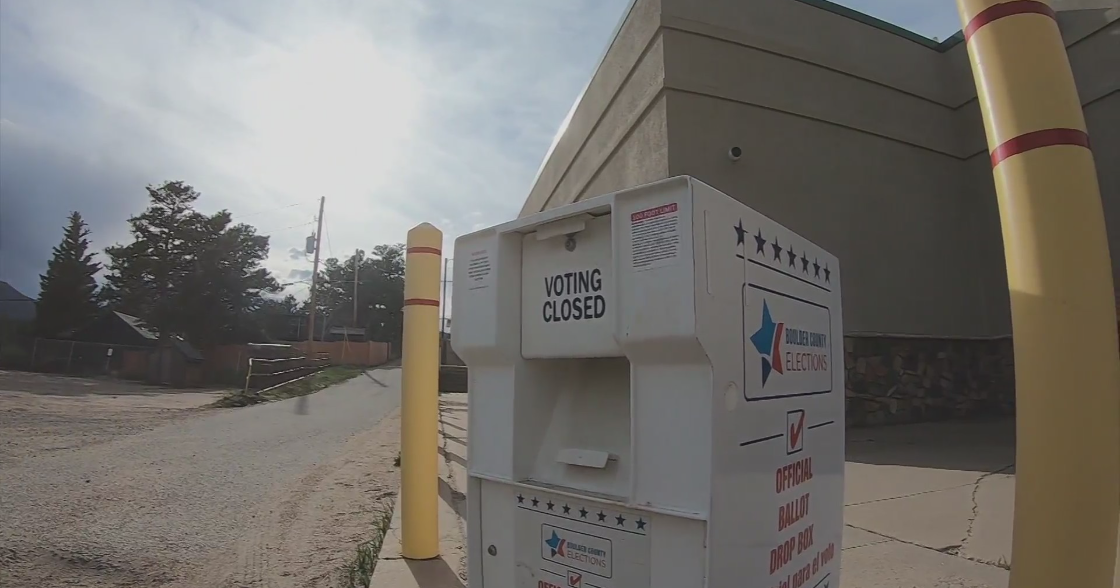
In a special election on Tuesday night, Greeley voters elected to pause construction on a billion-dollar entertainment district known as Cascadia. Greeley voters sided with "Greeley Demands Better," a grassroots organization that wanted to block rezoning of the land at U.S. 34 and CR 17 over concerns of the project's funding.
"It was quite surprising. It feels like a gut punch," said Melissa McDonald, Mayor Pro Tem of Greeley.
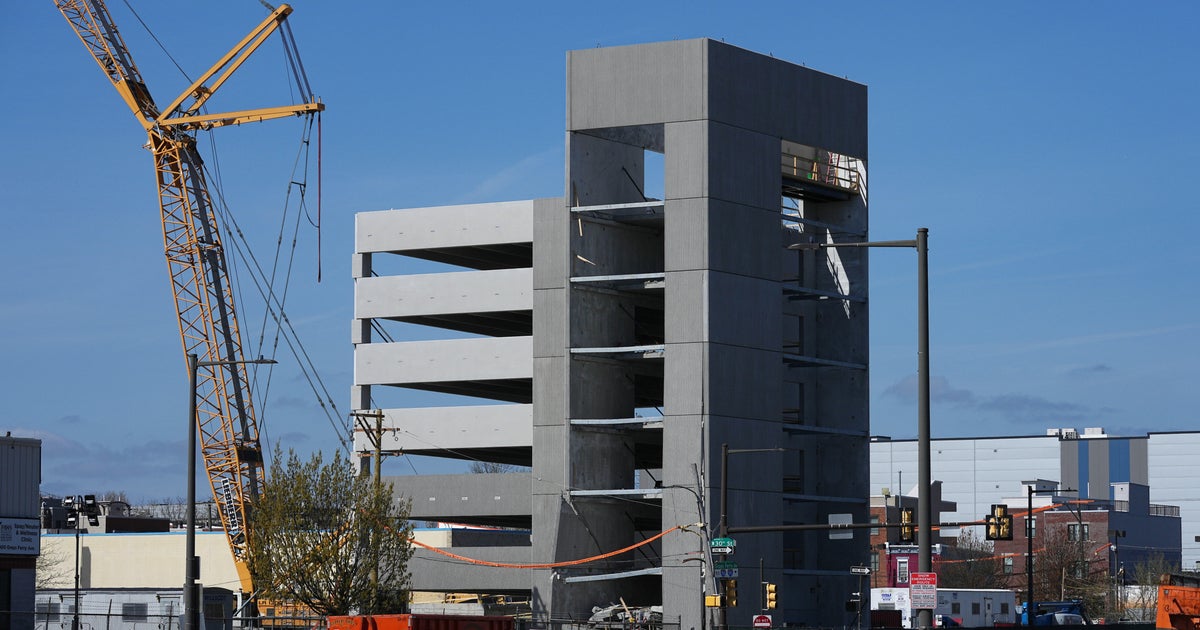
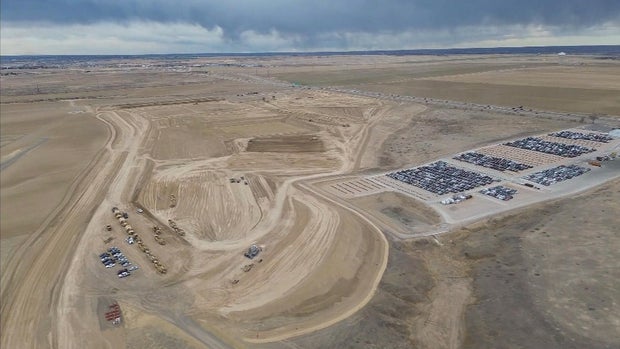
The decision by the voters will block the land from being rezoned, keeping it zoned as agricultural for at least the next year. The City of Greeley said this will not prohibit the land from being developed horizontally, however it will prevent vertical construction of a hotel, waterpark and the future hockey stadium of the Colorado Eagles.
McDonald said, following the special election results, she is concerned this action by the taxpayers will potentially scare away investors and developers of future projects in Greeley.
"I don't know if they will want to come here and building anything because of how this vote has gone," McDonald said.
Those who participated in the special election were asked to vote either "yes" or "no" on proposition 1A. A "yes" vote meant you wanted the project to be temporarily halted and the rezoning blocked. A "no" vote meant you wanted Cascadia to continue as projected by the city and investors.
Bill Rigler, campaign spokesman for "No on 1A" said the decision by the voters will come at the expense of jobs and tax dollars.
"Right now, there are 300 workers on the site. Their jobs will be going away," Rigler said, referencing the construction workers who have already began moving dirt and installing pipelines to the property for a hockey stadium.
Rigler said the City of Greeley had the opportunity to help this project become a reality, bringing fresh tax dollars to Greeley. However, with the voters denying the project, he said he isn't sure where Greeley's next significant tax opportunity will come from.
"Right now, there is no plan b for the economic impact Cascadia would have brought," Rigler said. "I think there are going to be a lot of hard discussions."
While those who supported the project, like Rigler and McDonald, are expressing their disappointment, others are celebrating the vote.
"Woohoo!" said Rhonda Solis, co-chair of Greeley Demands Better.
With a great level of thrill, Solis told CBS News Colorado she is happy that Greeley residents stood up against something that was overwhelmingly supported by elected officials.
"I'm very proud of our community," Solis said.
Solis said her greatest concern with the project came with the City of Greeley leveraging city-owned properties in an effort to help fund a portion of the project. Though Solis' team attended city council meetings for months and tried several times and methods to stop the project, she felt the elected officials in Greeley were ignoring the desires of the community in an effort to force the project through.
"Our community didn't have a voice, we were never asked," Solis said. "This was totally being forced, this wasn't happening with us. It was happening to us."
Solis admitted another facet of the organization's objection to the project was specifically with developer Martin Lind, a powerhouse developer around Windsor and owner of the Colorado Eagles. Lind has been behind successful developments including the Water Valley neighborhood in Windsor, the Pelican Lakes and Raindance golf courses, Hoedown Hill and more in Northern Colorado.
"What is worse than being in a bad relationship for one year is being in it for 30 to 40 years. That is what this would be," Solis said.
However, Lind and investors in the project were promising to help financially back other improvements to the surrounding area. That included helping fund an overpass proposal at U.S. 34 and C.R. 17.
Solis said the elected officials in Greeley should not have been surprised that the voters elected to deny the rezoning of the land.
"Leadership failed. The fact the community was this divided and they had no idea this would happen, they didn't have an accurate pulse on what was going on in our community. They didn't ask," Solis said.
McDonald said she felt many of those who voted to block the rezoning may not have realized the domino effect doing so would cause. That includes some financial concerns the city is now facing. $100 million has already been borrowed from a bank for the project, with the original plan being the completion of the entertainment district would help pay that back.
Now, with the future of Cascadia in limbo, the city may now be forced to cover the repayment of the $100 million, some of which has already been spent to begin construction. McDonald said, if the city is left on the hook for that money, it could ultimately be passed down to taxpayers.
"I know the opposition feels like it is a win for Greeley, but it is really a big loss in many ways going forward," McDonald said.
Rigler and McDonald said they are concerned the $100 million already borrowed for the project could ultimately cause the "Downtown Civic Campus" construction project to be impacted as well.
The Colorado Supreme Court is expected to rule on a case out of Telluride in March which could possibly impact the special election. Depending on how the Supreme Court rules, those with "No on 1A" say the Cascadia project could return to construction.
However, if the court rules the opposite way, Cascadia's future would hinge on a redesigned and re-proposed project to be reconsidered by city council in 2027.