Elk poached in Colorado national preserve, National Park Service says
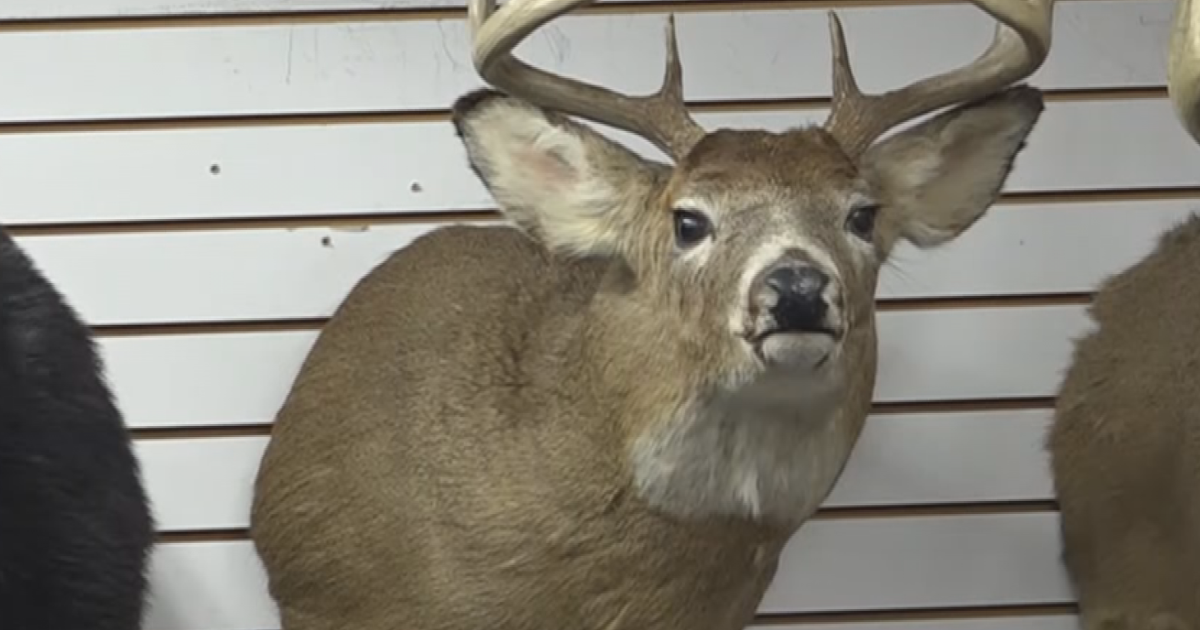
The National Park Service says it's investigating the illegal killing of a male elk in the Great Sand Dunes National Preserve in southern Colorado. They believe the suspect took both of the elk's antlers.
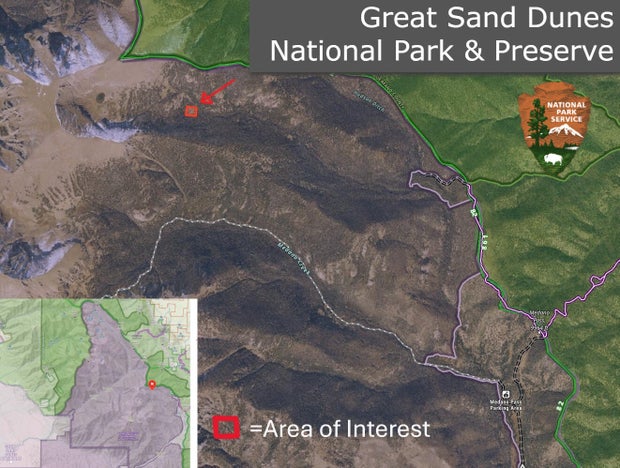
NPS released a statement seeking help from the public to identify the suspect. The incident happened on Sept. 9 or 10 in the Hudson drainage area, near the unincorporated community of Mosca, NPS said on Monday.
Investigators believe the suspect used a compound bow with bright fletching -- the feather-looking wings at the back of an arrow.
The male suspect is white and about 6 feet tall, of unknown age, and drove a dark colored Dodge Ram pickup truck. At the time of the incident, he had a close-trimmed beard and was wearing camouflage clothing, a ball cap, and a backpack. The elk's antlers had four or five points, and investigators say the suspect didn't take the head, only the antlers.
Anyone with information about the incident or the suspect is asked to contact investigators, even anonymously, at 719-589-5807 or GRSA_Law_Enforcement@nps.gov.
This is one of several recent instances of elk poaching in Colorado. Also in September, four bull elk were illegally killed on four separate ranches in Las Animas County, according to Colorado Parks and Wildlife. One of those elk was shot and left fully intact, another was wounded and had to be put down by wildlife officers, another had its backstraps removed, and another had its head removed with no meat taken from it.
Poaching is a crime that officials say harms wildlife, outdoor enthusiasts, legal and ethical hunters, businesses, and taxpayers. When the animal killed is big game, such as elk, or an endangered species, it's a felony under Colorado law. When on federal lands, it's a federal offense.
A recent study done by the Montana-based wildlife conservation organization, the Boone and Crockett Club, found that less than 4% of poaching in the U.S. is discovered by law enforcement or wildlife agencies. That study also found that the financial cost of poaching, between lost fines and replacement costs for animals, is $1.4 billion each year.