Western Colorado sheriff asks state attorney general to dismiss lawsuit against his deputy after ICE detainment following traffic stop
The Mesa County Sheriff announced this week that disciplinary action has been taken in connection to a western Colorado traffic stop last month in which a college student who was pulled over by one of his deputies was later detained by Immigration and Customs Enforcement. Mesa County Sheriff Todd Rowell apologized for the incident and is now asking that Colorado's attorney general dismiss a lawsuit filed against the deputy.
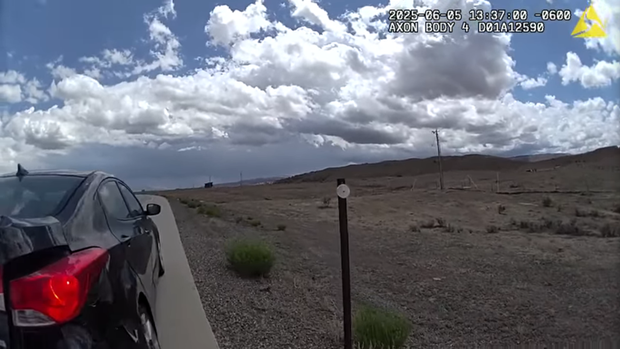
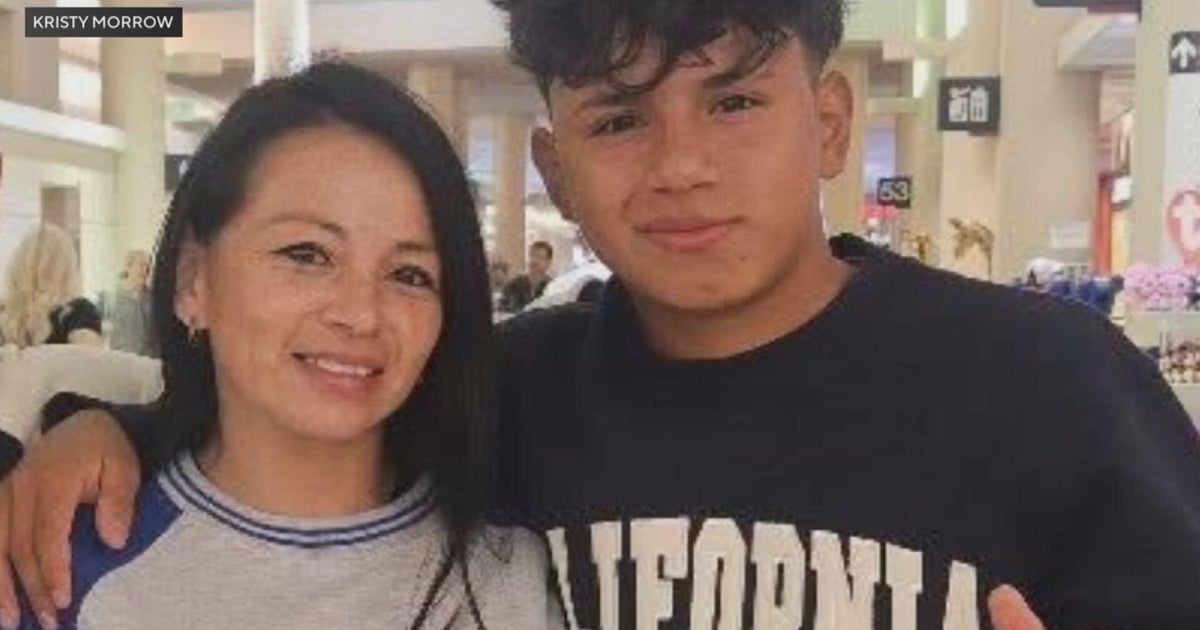
On June 5, Deputy Alexander Zwinck pulled over Caroline Dias Goncalves for allegedly following another vehicle too closely and he let her go with a warning. Zwinck reportedly shared the personal information of Dias Goncalves, who is originally from Brazil, in a Signal chat, which included ICE officials, leading to her later detainment by ICE agents.
Dias Goncalves was detained for more than 2 weeks by ICE and then released and, according to Colorado Attorney General Phil Weiser, described the experience as "the worst experience of her life."
Colorado law places limits on the information local law enforcement officials can provide to federal immigration agents.
As a result of the incident, two deputies and a sergeant received unpaid leave and the sheriff's office discontinued use of the chat. The deputy who made the stop was placed on three weeks of unpaid administrative leave and will also be removed from his assignment on the Western Colorado Task Force and will be reassigned to patrol.
Rowell stated in his plea to Weiser, who filed the suit, that although the deputy's actions were illegal, his department should handle this with internal training and discipline.
Rowell said Weiser was aware of the department's administrative review process and the agency should have been allowed to take corrective actions.
"The Administrative Review of events which led to Miss Dias-Goncalves' detainment has been a meticulous process. Our ultimate goal has been to identify potential training, supervision, and policy failures within our Agency to rectify them through thoughtful and well-informed revisions. It is for this reason that I am deeply disappointed in Attorney General Phil Weiser's choice to announce his lawsuit against Deputy Zwinck prior to the completion of our investigation and prior to the determination of internal discipline," Rowell stated.
Also on Wednesday, the Colorado State Patrol announced it has discontinued use of that same Signal chat, which includes local, state and federal law enforcement agencies.
Authorities said the encrypted chat was intended to help law enforcement collaborate on drug enforcement in the state.
CSP said it no longer shares information in the Signal chat because of "an apparent lack of shared purpose among all agencies on the platform."
"For the Patrol, our use was for operations targeting the combat of drug trafficking and organized crime; other organizations may have different priorities and goals," the agency explained.
The sheriff said CSP troopers and other law enforcement officers in the Signal chat routinely behaved similarly to Zwinck, a claim which CSP said is misinformed and premature. Rowell claimed the lawsuit is unfairly singling out Zwinck to make an example of him.
Rowell's statement on the administrative review was as follows: "The Mesa County Sheriff's Office (MCSO) has well-established practices limiting our involvement in immigration enforcement. However, the Administrative Review conducted in response to Miss Dias-Goncalves' detainment highlighted the need for enhanced training and clarification of evolving legal responsibilities under Colorado Senate Bill 25-276, which had been signed into law 13 days prior to this stop. ... As Sheriff, I take seriously our duty to ensure Deputies remain informed of legal changes impacting our operations. Based on our findings, the Mesa County Sheriff's Office should not have had any role in the chain of events leading to Miss Dias-Goncalves's detention, and I regret that this occurred. I apologize to Miss Dias-Goncalves."