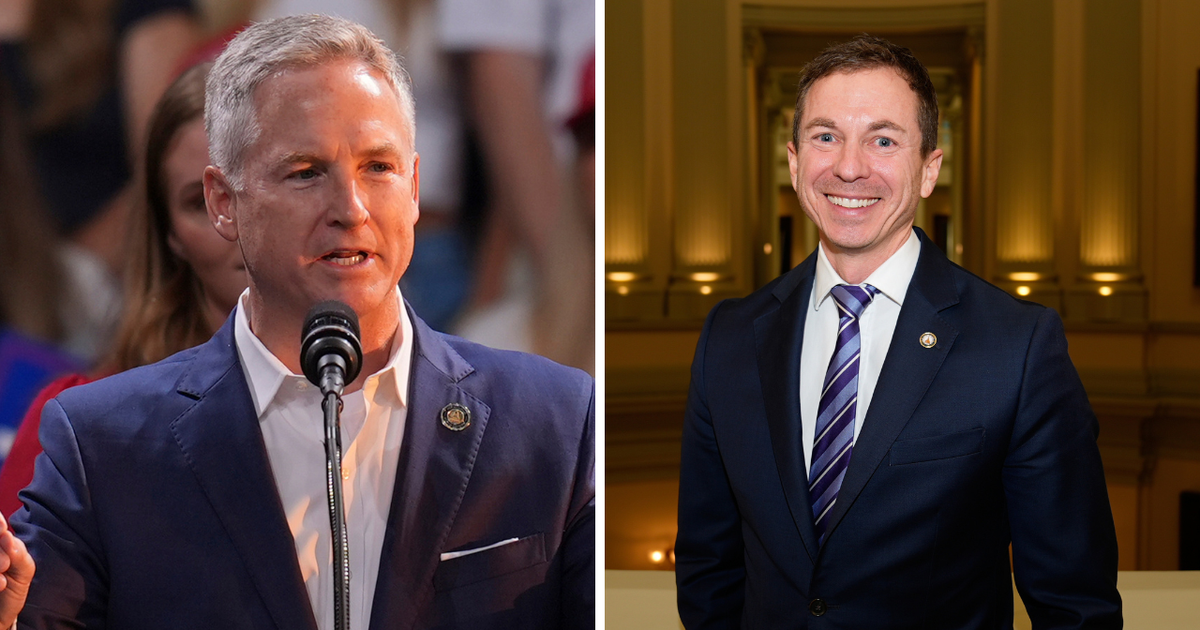
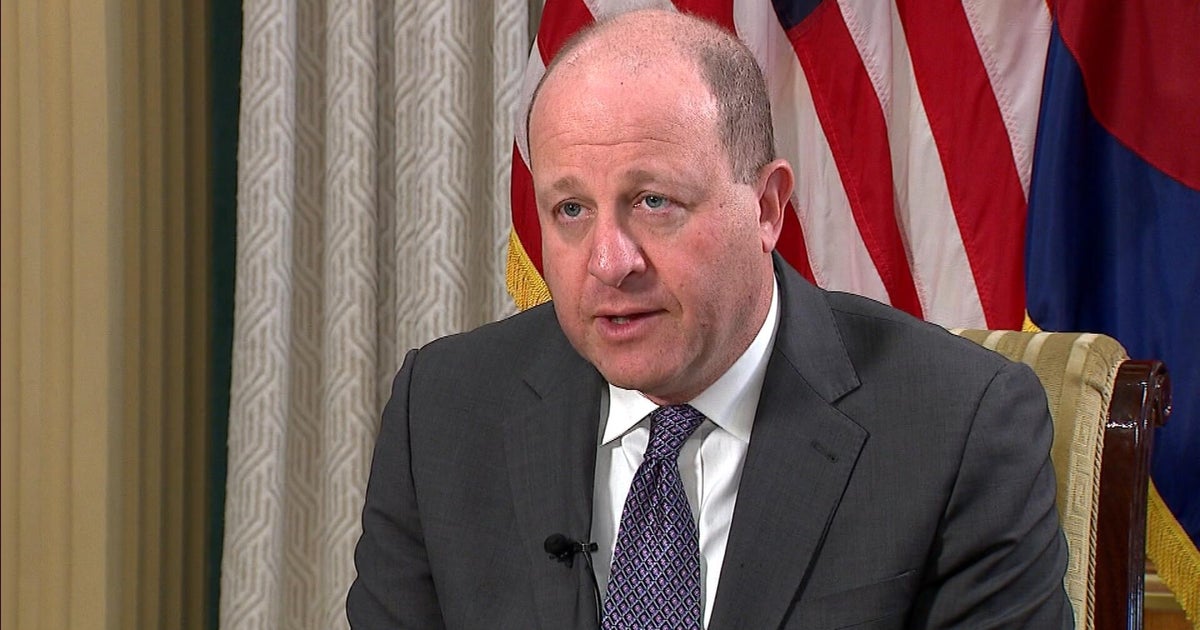
Colorado's attorney general and governor on opposite sides of social media bills
Two bills aimed at protecting kids on social media have divided Colorado's attorney general and governor -- both Democrats.
The measures require social media companies to verify a user's age, cooperate with law enforcement, and provide safety tools to limit kids' usage.
A bill with similar provisions failed last year. A spokesperson for Gov. Jared Polis says he has serious concerns with this year's bills, too, even though Attorney General Phil Weiser supports them and both Democrats and Republicans have signed onto them.
One of the bills establishes a process for investigating reports of illegal activity and has already passed the State House and Senate.
The other bill got its first hearing Wednesday in the state's Health and Human Services Committee, which passed the measure 9-4 after several amendments to it. It originally would have required social media companies to verify -- with 95% accuracy -- a user's age and to provide parents of kids 12 and under with tools to restrict purchases and see who's making contact with their child, among other things.
Under the amended version, age verification remains but not parental controls. Instead, kids will receive tools to limit their usage if they choose to do so.
Anaya Robinson with the ACLU of Colorado says the bill infringes on kids' right to free speech and -- by requiring age verification -- risks users' privacy.
"We understand the intent of this bill and don't disagree that we need better mechanisms to keep kids safe online, but eroding our most foundational rights to speech and privacy to achieve that goal is a bridge too far," Robinson told a panel of state lawmakers.
Supporters, including parents like Lori Schott and Matt Revere, say it would save lives.
Schott says social media drove her daughter to take her life.
"Social media pushes an endless stream of anxiety, depression, pro-suicidal content -- not of my daughter's asking, but through her algorithms," Schott told those lawmakers. She said her daughter bought into a "false reality, convincing her that she wasn't good enough, not pretty enough, and she just was not enough."
A spokesperson for Polis says that, while he wants to protect kids online, he's concerned about court rulings, including one this week that found that age verification threatens constitutional rights and privacy rights. The U.S. Supreme Court is expected to take up the issue this summer.
Polis is also concerned about the bill that has already passed, which he believes forces social media companies to act as law enforcement by requiring them to investigate complaints of illegal activity, like selling guns or drugs to minors, within 10 days and ban users who break the law or violate company policies.