Colorado wildlife officials say DNA from woman killed by mountain lion found on 1 of euthanized cats

The family of the hiker killed by a mountain lion last week in Northern Colorado says she died doing something she loved. The Larimer County Coroner's Office confirmed on Monday that Kristen Marie Kovatch's death last Thursday was caused by an attacking mountain lion. Their report states she died of asphyxia due to having her neck compressed. It was the first fatal attack in Colorado by a mountain lion on a human this century.
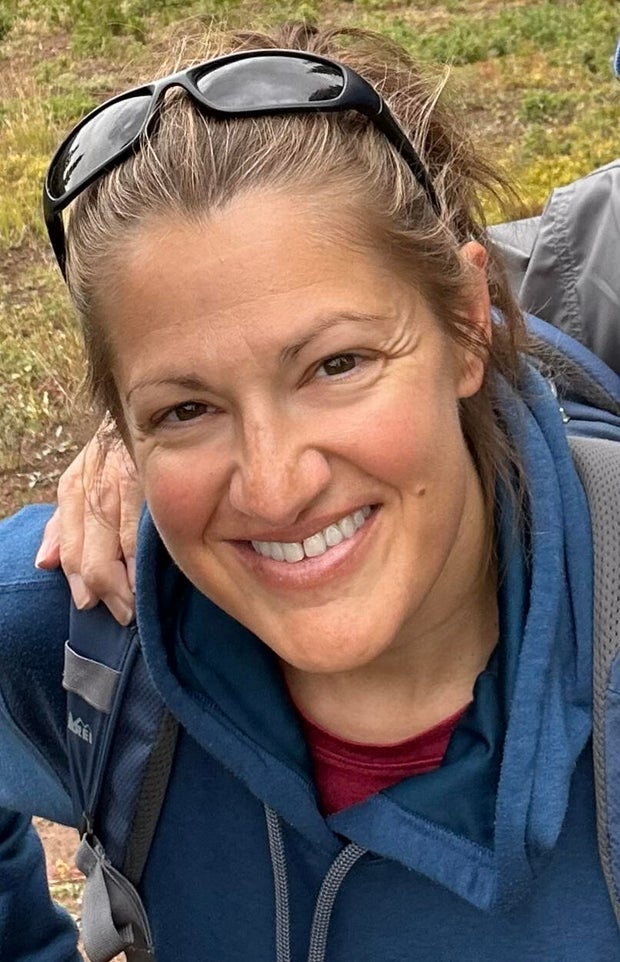
Kovatch was 46 years old and lived in Fort Collins. Her brother released a statement on Monday about her death that read, in part:
"She died doing something she loved deeply-hiking and taking in the beauty of Colorado and its public lands. Kristen was also an ultramarathon runner and someone who found joy and purpose in caring for animals. Her energy, compassion, and independence touched everyone who knew her, and her absence leaves an immeasurable void in our lives."
Kovatch's body was found in the middle of the day on Thursday by two hikers on a trail southeast of Glen Haven in Larimer County. A mountain lion was nearby, and they threw rocks to scare it away. One of the hikers, a physician, attended to the victim but did not find a pulse.
Two mountain lions spotted near her body were euthanized. A necropsy revealed human DNA was found on one of those lions, Colorado Parks and Wildlife officials said.
"Those two lions -- they are of a family group, a male and female sub-adult lion. The male was found to have human DNA on all four of its paws. The female lion did not have any human DNA that was detected," said CPW spokeswoman Kara Van Hoose.
The juvenile lions were likely between one and two and a half years old. "At this point, they can go out on their own and kill a deer. So at this point, they are out trying to live like your teenager, right, being as independent as they can without the mother. Their mother is still there helping them out. They're sharing kills," said CPW senior wildlife researcher Mat Aldredge.
Van Hoose said the mountain lions tested negative for rabies "and other neurological diseases."
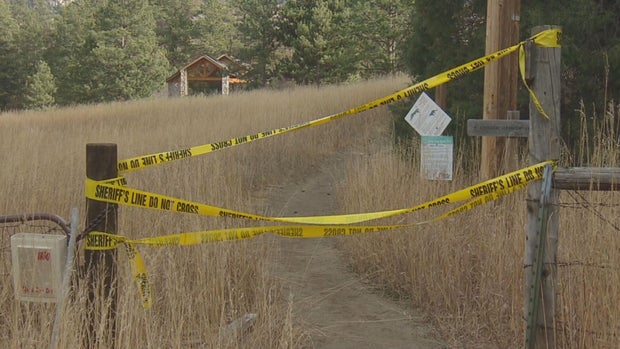
CPW was also searching for a third mountain lion after the attack, but that search has ended. The trail where the attack happened -- Crosier Mountain Trail -- is back open.
Mountain lions can weigh up to 130 pounds and grow to more than 6 feet long. They primarily eat deer.
Colorado has an estimated 3,800 to 4,400 mountain lions, which are classified as a big game species in the state and can be hunted.
A Glen Haven man running on the same trail where Kovatch was killed encountered a mountain lion in November. He said it rushed him aggressively, but he fought it off with a stick. A boyfriend and girlfriend hiking near the summit on the Crosier Mountain Trail late in the month encountered lions and managed to haze them after several minutes of threatening behavior. They were two of several mountain lion encounters east of Rocky Mountain National Park in recent months, according to Van Hoose. In two of those cases, the predators killed dogs close to their owners, she said.
Western Larimer County is prime mountain lion habitat in places. It is less likely, said CPW experts, that the lions were after human targets or that the mother lion was teaching her offspring to pursue humans. Their presence in the area is more likely because of the availability of typical prey like elk and deer.
"There are a lot of resources, food resources in and around human populations. It's a steady, constant food resource, and a lot of our research over the years has shown that females with kittens will actually use those areas more than females without," explained Aldredge. "There are important resources there that you can utilize for food, and that is probably what is being taught in those situations. Not that humans are OK."