College in Colorado: what's behind the price tag?

When choosing where to go to college, the bottom line can have a high priority.
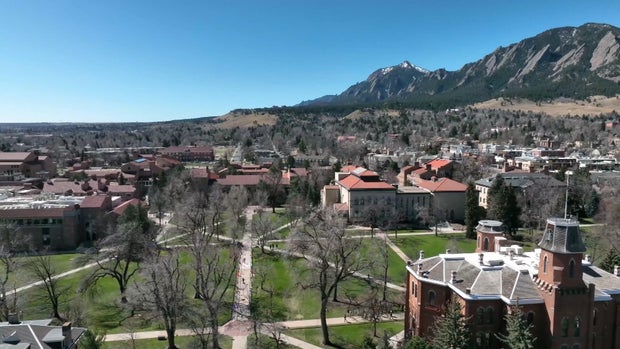
"I almost didn't come here because of how expensive it was, especially for an out of state student," University of Colorado Boulder freshman Madison Duffey said.
Jacob Macaluso, another CU freshman, echoed similar sentiments.
"Scholarships did come through, so it did pay for a lot of it. And then my mom and dad were like, 'You know, it's your first experience, first generation.' So I was like, 'You know, I might as well take it,'" CU Boulder freshman Jacob Macaluso said.
Earlier this month, the University of Colorado Boulder announced they'd be raising tuition by 3.5% for in-state students. That's coming alongside a 3.3% raise at the University of Colorado Denver and a 3% raise at Colorado State University.
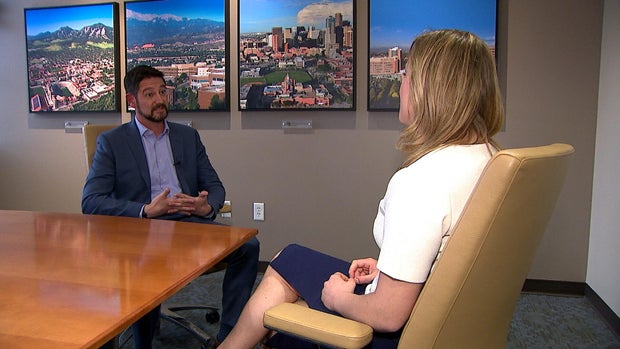
CU System Chief Financial Officer Chad Marturano crunches a lot of those numbers.
"Just like any household budget every year, there's cost drivers in terms of running the university," Marturano said, "Things that are inflationary, tied to utilities, just the cost of maybe buying a software license, but also paying our people, so salary increases, and those increases associated with health, life, dental insurance."
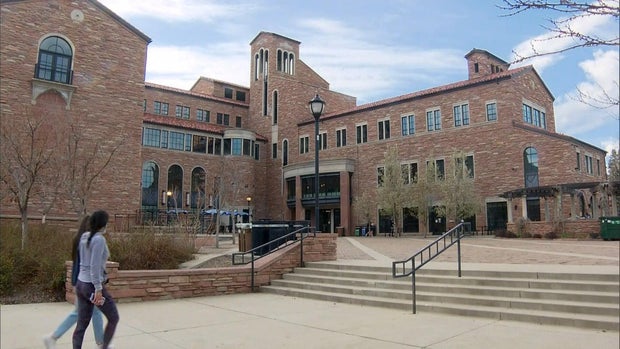
The raise follows a national trend. According to the National Center for Education Statistics, between 1980 and 2023, the average price of college shot up 155%. The price tags have put a big focus on loans and scholarships.
"At CU we've had an increase in our institutional financial aid by over 97% in the last decade, which is actually over $276 million. Over half of our CU graduates actually graduate with no student debt," Marturano said.
Also in the last decade, CU started a program in 2016 to lock in tuition pricing for CU Boulder students in their freshman year. The idea is that even as things like room and board could rise, tuition won't. And Marturano says the university saw results.
"Improved student performance, student success, where we saw increases, both in enrollment, student retention, student graduation rates," Marturano said.
Even with more students paying for more degrees, Marturano says the cost of tuition is less than the cost of their education.
"If we're educating more students, that means that we also need to have more people to educate those students, so that increases some expenses for us," Marturano said.
And for students that spoke to CBS Colorado, while they may try to save money where they can, many feel their degree may just be the cost of getting into business.
"College was worth it for me, because I'm wanting to go further with my degree, and so looking at the cost, it was kind of determined, like I'm going to spend a lot either way, but if I can save, wherever I can save, this was the best bet," CU Boulder junior CJ Clay said.
And while in-state tuition is rising more than 1% more than out-of-state tuition, Marturano says it is still cheaper for Coloradans to attend CU than those out of state.
College students also have access to federal financial aid options, but Republican lawmakers may push for changes to those programs soon to save federal dollars and raise expenses for students even more.