Colorado town settles lawsuit to allow home development next to former dump site after years of clean up

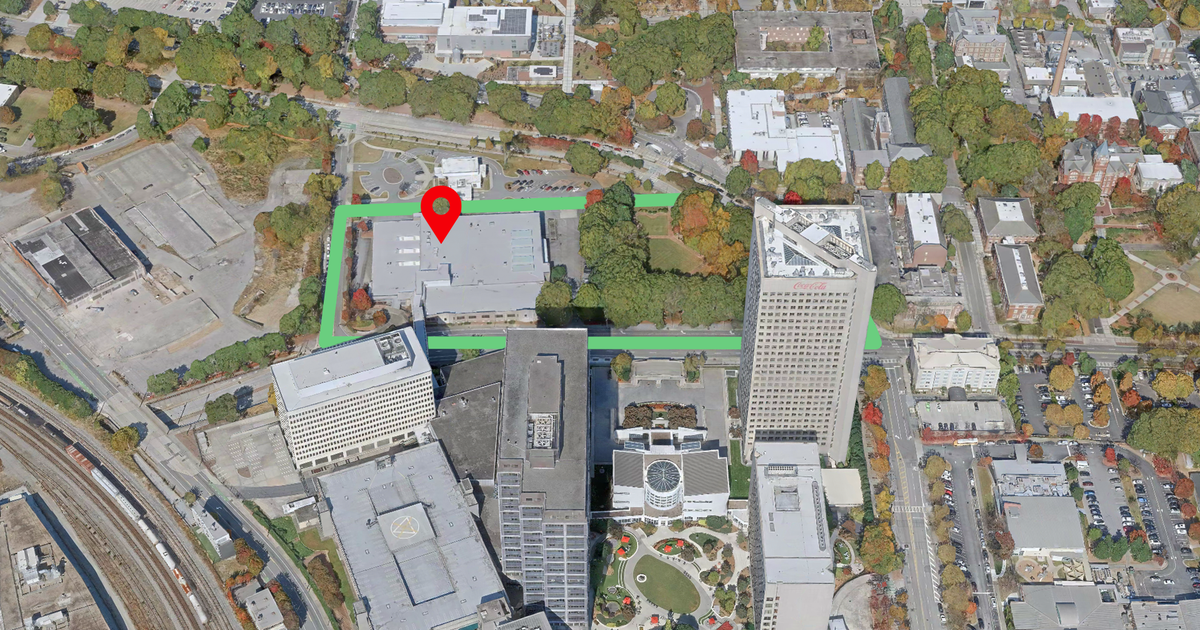
A new 500+ home development project can now move forward in the Colorado town of Erie after the town settled a lawsuit with the landowner. Redtail Ranch is in Weld County, north of Baseline Road and west of Interstate 25 in Erie. Erie's mayor posted that the approval was a choice that pitted logic against emotion with significant consequences.
There has been some controversy around the development because of contamination that was underneath a small portion of the property.
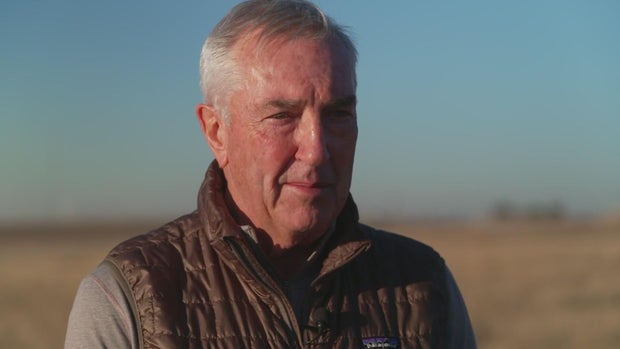
But Richard Dean says when his company, Stratus, bought these 300 acres more than a decade ago, no one knew about those contaminants.
"This is a big, bigger job than I ever thought of," Dean said.
The plan includes hundreds of homes, new parks, and trails, and Erie's Town Council initially tried to block it.
"We ran into an issue that CDPHE found out that there was some contamination to the north of our property, and that's where the journey kind of began," Dean said.
The town council had shared concerns about anyone developing here. Alongside oil wells underground, the developer acknowledged a portion of this land had previously been used as a dumping site for things like torpedo propellant and printer fluid.
"No one really knew it was there. They all thought it was under the existing landfills. So, then we had to step in and bring in some experts to decide what we need to do," Dean said.
Stratus says the contamination dates back to the 1960s, and the company spent six years and more than $10 million to clean it all up.
"The area that we're building houses on, there's never been any contamination," Dean said, "It's a very large site. The areas that we had contamination on the heavy contamination was less than three or four acres."
An environmental report shows metal scraps and other household trash items are still underground in that area. But, the EPA and CDPHE have both said the main contamination issue is addressed and no further clean-up efforts are required. So when the town council blocked the development, Stratus sued. The lawsuit, Erie Mayor Andrew Moore says, became one the town literally couldn't afford to lose.
"You say 20 million more dollars we'd have to come up with, which we do not have," Moore said, explaining his position, "No matter how much any of us would like to say, 'hey, that land is not fit for building,' none of us are professionals in that field, and so we rely on the Colorado department of health to give that final sign."
So, in a 4-3 vote, last month, the town council gave the green light for this land to be developed, and the settlement agreement between the two parties went into effect on Friday.
The agreement pushes for clear signage in the formerly contaminated areas and notice to anyone who moves in.
"I want to make sure that that property is properly fenced off, and that there are signs up that articulate what happened on that particular property. And it's not a place to go ride your bike or to go hike through," Moore said of the formerly contaminated area.

Stratus is also expected to plug and abandon some of the existing oil wells. And Stratus says they will continue to monitor the site for decades to come.
"We're invested, obviously, because of the cleanup, but we're invested because that's what we do right now. And we go around and find properties and build great communities," Dean said.
Dean hopes developers can start building on the site in 2027.