Colorado students get glimpse of Artemis II mission: "I wouldn't miss it for the world"

NASA's next trip around the moon is coming closer to reality, and students in Colorado are getting an early look at the mission designed to carry astronauts farther into deep space than any crew has traveled before. As NASA prepares for Artemis II — the first crewed flight of the Orion spacecraft — Lockheed Martin engineers and mission leaders are sharing the science and strategy behind the program with classrooms across the country.
Through a series of "Launch and Learn" events, Lockheed Martin says more than 8,000 students will get a behind‑the‑scenes introduction to the spacecraft and mission roadmap.
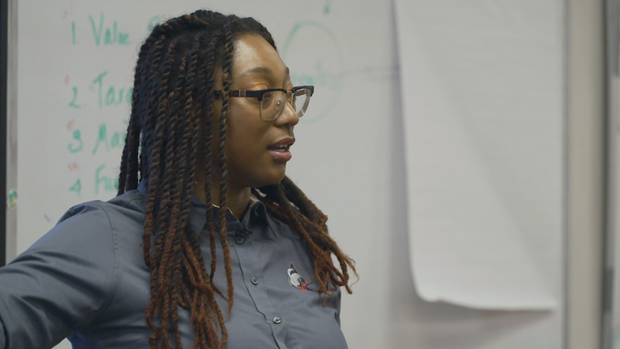
In Colorado, that outreach included a visit to the New America School in Lakewood, where Whitley Poyser, the company's director of exploration mission area, walked students through how the Orion spacecraft is designed and what it will take to return astronauts to the moon.
"The Artemis mission is a very, very special mission," she said. "We haven't returned to the lunar environment in over 50 years."
Artemis II is expected to send four astronauts on a 10‑day flight around the moon, marking NASA's first crewed lunar‑distance mission in more than five decades. Unlike Apollo landings, this mission focuses on testing systems needed for deeper exploration.
Eighth grader Samuel Reed said the mission is "so cool," but "also a bit intimidating and scary."
"Imagine just being in the deep void of space where it's really hard to return and you're kind of stuck," Reed continued.

Students in the classroom asked Poyser a variety of questions, ranging from how the spacecraft will be powered to how astronauts steer without GPS. Reed said the mission excites him and confirmed his growing interest in aerospace engineering, particularly satellite design.
"I think it's just so awesome," he said.
Lockheed Martin says that kind of reaction is exactly what the Launch and Learn program is designed to spark. As NASA works toward its next launch attempt, the company is highlighting the decades‑long effort that will follow Artemis II. The broader Artemis campaign is expected to unfold over many years, with students today eventually able to contribute through careers ranging from payload design to piloting and mission operations.
"There's so much going on in deep space that this could be your career," Poyser said.
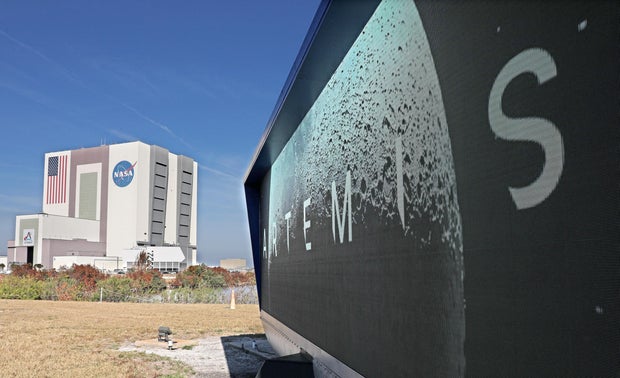
Reed sees that potential, too. He said the Artemis missions feel like a return to a chapter of exploration that didn't get fully written the first time.
"History thinks of the moon landing as the first step," he said. "But now, it's revisiting moon exploration and going beyond the moon (...) I wouldn't miss it for the world."
The Artemis II launch is expected to happen in April 2026.