Dry, spring‑like winter has Colorado plants weeks ahead of schedule

Daffodils are already blooming at the Denver Botanic Gardens -- in early February! And for Coloradans visiting the grounds, it's a surprising sight that feels more like April than mid‑winter.
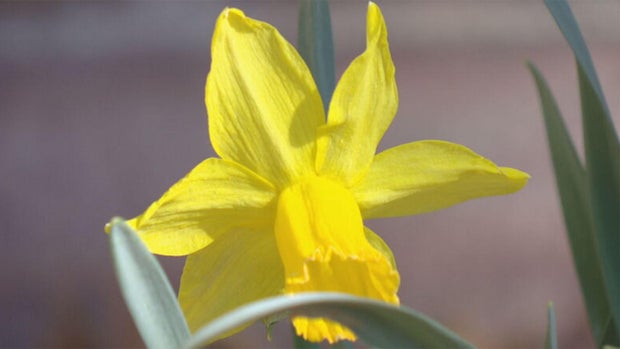
"Is this spring? Did we have winter? I don't know," visitor Jan Killick said.
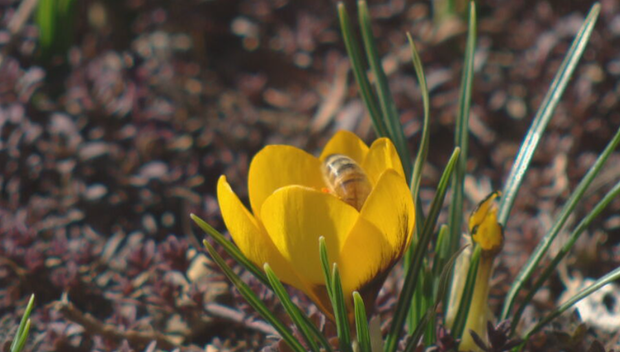
Another visitor said she immediately noticed pollinators out early.
"I was just noticing the bees are clearly awake, so at least there's some flowers that are awake for them, too," said Aurora Passin.
But the early burst of color is also raising concern.
"It's making me uneasy," said another visitor, Elisabeth Lee.
Denver Botanic Gardens staff agree the early bloom is more than just surprising, it's a warning sign about the season's lack of cold and moisture.
"Almost everything in my garden is several weeks ahead if not a month ahead," senior curator Panayoti Kelaidis said.
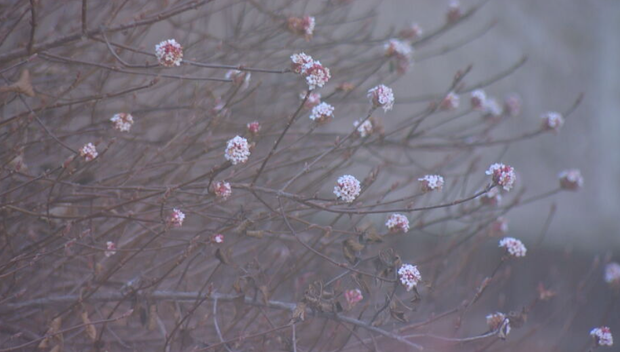
Kelaidis has worked at the gardens for 46 years and says this is the warmest winter he's ever experienced. He said the biggest threat right now is the absence of moisture; a warm winter without snow leaves trees, shrubs and early‑blooming bulbs without the water they need to sustain healthy growth. So, he recommends Coloradans consider winter watering, especially for stressed or newly emerging plants.
"If bulbs don't get moisture right now, they won't bloom as well," he said. "So if you have an area where you're growing a lot of tulips or daffodils, give them a drink. They'll need it."
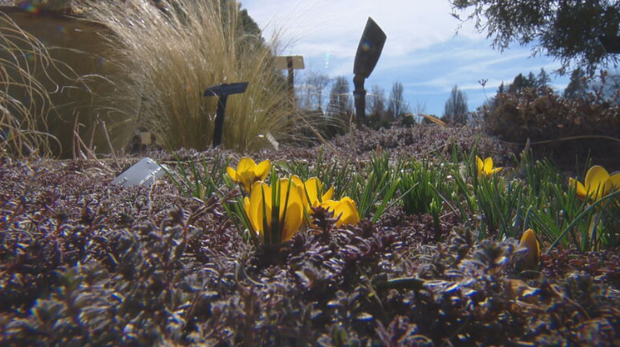
Of course, Colorado is known for sudden swings in weather, and a late‑season cold snap could put these accelerated plants at risk.
"But that is the nature of our climate, it is unpredictable," Kelaidis said.
Even so, he reminds gardeners not to underestimate the resilience of the plants themselves. After millions of years of evolution, many have built‑in mechanisms to endure volatile seasons, even ones as unusual as this.
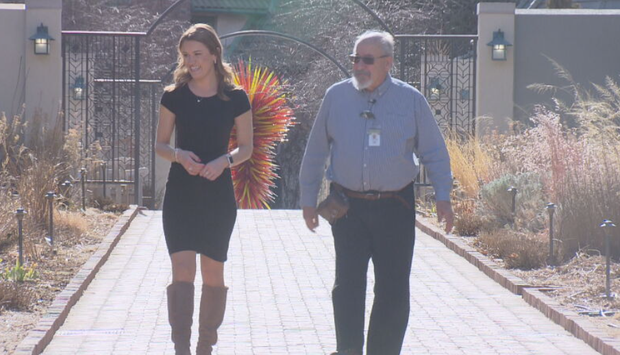
"The warmth makes an impact on plants, but plants are also on a clock. So certainly they'll come out a little early or whatever, but they're not as stupid as we think," he said. "They know when the sun is at certain angles to wait a little bit. There are probably some plants that won't vary as much, like our native plants."
Still, with the warm, dry stretch of winter arriving at a time when plants traditionally remain dormant, experts say paying attention and watering when needed may help soften whatever surprises come next.
Winter Watering Advice from Colorado State University
Winter watering for Colorado landscapes can be the difference between plants that thrive and plants that barely survive. Here are six things to know about winter watering.
1. Winter watering is weather dependent.
Water only when the air temperature is above 40 degrees and the soil is not frozen, so moisture can reach the roots. Water can't penetrate frozen ground, so it runs off or turns to ice overnight when it freezes, doing nothing for roots. Avoid watering when there is snow cover.
2. The best time to water is midday.
Watering midday allows the water to soak into the ground and reach plant roots before temperatures drop below freezing at night.
3. Not all plants need winter watering equally.
Evergreens, newly planted trees, grasses and shrubs, and plants in exposed, south-facing sites benefit the most from winter watering. Many native plants and xeric landscapes do not need winter irrigation.
4. Winter watering should be occasional.
Occasional, slow, deep watering during extended dry periods is more effective than frequent light watering. Established perennials and many native and drought-tolerant plants need less water when they are dormant, not constant moisture.
5. Trees and plants need more water in winter than you might expect.
Water evergreens and newly planted trees and shrubs one to two times per month. Young trees can be watered at the base of the tree with 10 gallons per inch of the trunk diameter. For example, give 20 gallons of water to a tree with a 2-inch trunk diameter. For mature trees, water at the canopy's dripline and beyond. You may need to move a hose and sprinkler several times to wet the entire root system of a large tree. Apply enough water to wet the soil 12 inches deep. Shrubs will benefit from 5-18 gallons of water per application.
6. Use a hose and sprinkler to winter water your landscape.
Don't turn your irrigation system on until the risk of freezing has passed in spring. Detach the hose from the water source when not in use and drain the water from the hose for storage.
Winter watering won't fix everything, but it's one of the best ways to support long-term plant health.