Colorado homeowners in Reunion frustrated with ongoing legal challenges, taxes from metro district

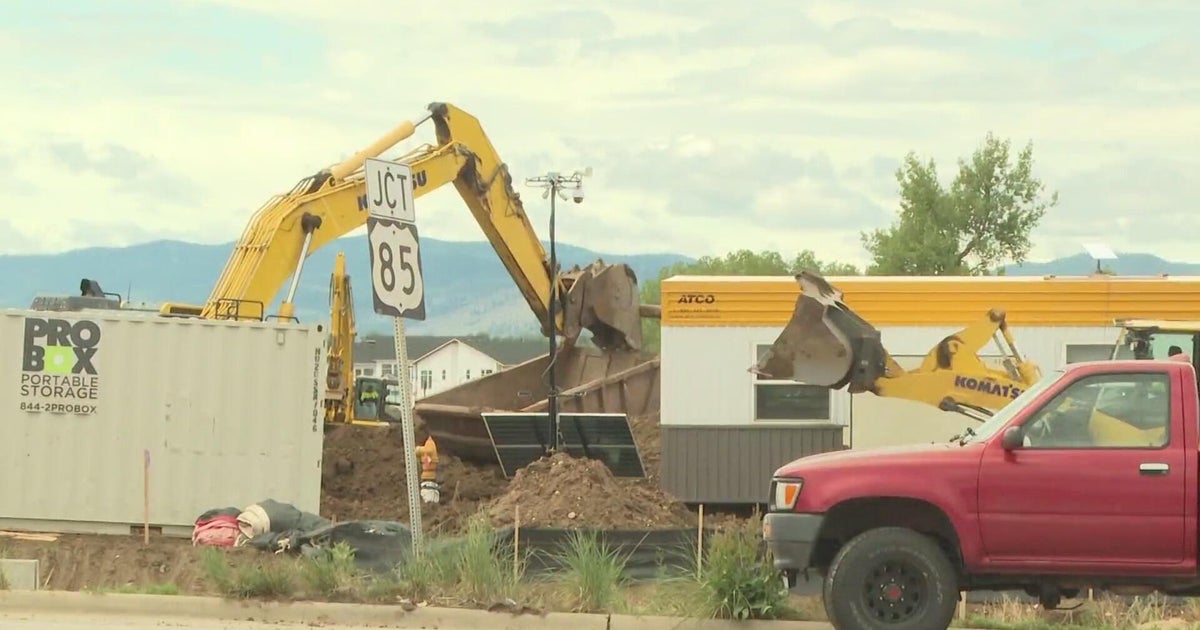
In Reunion, a community located northeast of the Denver metro area in Adams County, there are growing concerns over a metropolitan district that was supposed to help the community grow. Instead, some homeowners claim the district is actually hurting those who live there.
Years of frustration have reached a boiling point for Reunion homeowners like Anna Philips.
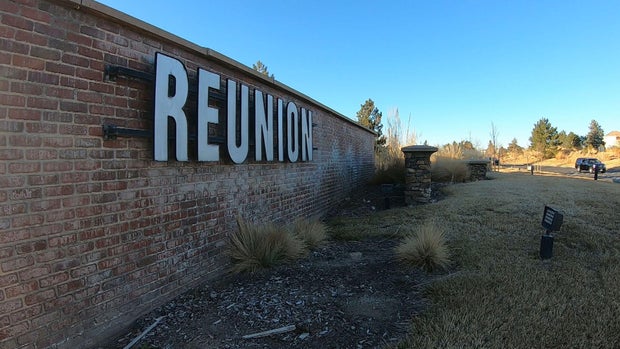
"As homeowners, we're being taken advantage of," said Anne Philips. "There are people who are leaving Reunion because they can't afford the taxes here."
For several weeks CBS Colorado has been receiving messages from the Colorado community expressing their frustrations with the metro districts that serve their communities. Metro districts are established by developers within a community to help finance infrastructure projects, like roads, parks, and other utilities.
Philips also reached out to us, with concerns her master district, the Reunion Metropolitan District, has been unfairly forcing taxpayers to spend thousands of dollars.
"The metro districts aren't working, they're not working in Colorado," said Philips.
She says the problem dates back to a 2016 Mill Levy Equalization and Pledge Agreement (MLEPA) between the Reunion Metro District, and the three North Range Metro Districts below the RMD.
"That agreement that was put in place says that that master district, Reunion Metro District, is the one who tells us smaller districts what mill levies we have to pass," said Philips. "They collect all those tax revenues from us, and they use them to pay down both our own North Range debt. If there is any excess money, we have to give it to the Reunion Metro District.
Philips, who is currently a board member for North Range Metro District 1, says homeowners were not on these boards back in 2016 and only developers really had a say on the agreement. Now, her district in particular is being forced to pay off the RMD's debt in addition to their own debt. She says the RMD's region makes up about a .2-acre parcel of land with no homeowners living in it.
"Only North Range Metro District one has excess tax funds. The other two districts do not. They're either not completely built out or they do not have enough homes to have excess tax revenue," she said. "We have to give it to the Reunion Metro District, the master district, to pay down their own balance that they have on their district debt. and that debt is privately owned by the developer. So, that's money that's going into their pocket."
While residents in North Range Metro District 1, 2, and 3 have pushed back on the 2016 MLEPA, but that has now presented legal challenges.
"We got to the point where we let them know we are not going to be paying those excess funds anymore. We are considering this agreement unfair and we are not going to do that anymore," said Philips. "That's how the lawsuit started."
Reunion Metro District sued all three North Range Metro districts in 2022. To date, that lawsuit remains unresolved.
"The judge that was originally on the case is no longer on the case," she said. "So, in the last two years, there's not been any real substantive decisions made in this case.
While they wait for any action, residents are being left with not only paying off any RMD debt, but also incurring hefty taxes from rising mill levies imposed by the RMD.
"Ninety-eight mills we're paying here," said Philips. "We've looked at some numbers and we realized we really could pay our own North Range debt. We have no problem doing that, we can pay that, but we don't need 98 mils to do it. We could lower everyone's taxes and lower the mills and not have such a high tax rate here in the district."
"It's fiscal abuse in my mind," said David Sanchez.
Sanchez is also a board member who represents North Range Metro District 2. While they are not bearing the brunt of paying RMD's debt, he does say he is concerned more homeowners will continue to suffer with hefty taxes if nothing is done to change the existing agreement.
"Judging from what's happened in district one it's going to be a real struggle unless we get some things changed," he said.
For Philips, 98 mills, otherwise known as $98 of property tax for every 1,000 of a property's assessed value, is over $2,000 in taxes for one of her $400,000 townhomes. That tax makes up roughly half of her total tax bill.
"A single-family home is going to be a lot more than that," she said. "Some of our other concerns are that the developer can continue to increase the debt that RMD has so they can continue to incur more debt that we are still going to be obligated to pay."
"I think the real shocker for most people is these are new homes," said Sanchez. "Ours here on this home was over $6,000. That's just high."
CBS Colorado reached out to the RMD about taxpayers' concerns.
The RMD's legal counsel, which declined to comment on the ongoing lawsuit with the metro districts, issued this statement:
All of the Reunion community and Commerce City benefit from the tens of millions of dollars of public facilities and amenities—including streets, sidewalks, water and sewer lines, parks and a rec center—installed, financed, operated and maintained by Reunion Metropolitan District as part of the multiple district structure established in the Service Plans for Reunion Metropolitan District and each of the North Range Metropolitan Districts. The Reunion Metropolitan District cannot comment further about ongoing litigation between the District and North Range Metropolitan District Nos. 1, 2 and 3.
Residents also tell me as a result of this MLEPA agreement from 2016, they are also burdened with paying legal fees from this ongoing lawsuit for both their individual metro districts' attorneys and the RMD's legal fees.
"We're getting close to $1 million that residents are going to pay and that's substantial," said Sanchez.
While RMD is the only one that can terminate the agreement, taxpayers like Philips and Sanchez hope they can bring renewed attention to this lawsuit, and or find statewide solutions that can change how metro districts are formed.
"It's a lot of money and there's hardworking people here, and it feels like we're being taken advantage of," said Philips.