Colorado families concerned about federal, state Medicaid reductions
Allie Avery beams as she looks at her mother. Her mother beams back.
"You see the world differently," says her mother, Lorri. Years ago, Lorri Avery gave up a career to be at home to take care of her daughter.
Allie Avery is now 18 and reaching adulthood. Her mother has what's called an adult waiver that provides some compensation for caring for her adult daughter. It's a 24-hour-a-day job.
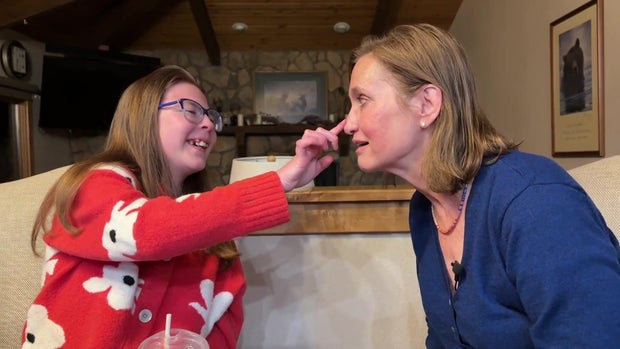
"I wouldn't want to do anything else," she explains. "You appreciate the little advances that she makes. And it's because of the way you look at the world now." But it feels like the country and state are looking at what she and other caregivers are doing differently.
"I think it's sad that we're making cuts on the backs of significant disabilities because I think that's going to end up costing the state more money," said Lorri Avery.
Federal Medicaid reductions planned by the Trump administration of about a trillion dollars over the next 10 years mean states are now faced with the harsh realities of whether to further supplement Medicaid programs or make reductions of their own. Gov. Jared Polis notes the bill is projected to grow next year by $630 million. His budget proposal would increase it by about half that amount. It includes reductions to Medicaid reimbursements.
Developmentally disabled adults already face a reduction in services as they age out of programs available to children.
"It's a cliff. Kids drop off at 21. There's very little support for kids once they're 21," said Lorri Avery. In caring for her daughter, she does not become the state's responsibility as an adult. It's a full-time job.
"We never have left her home alone. She'll never stay home alone. She always has to have somebody with her, with safety things around the house, locks on the doors." There's no coffee table to hit her head. Lorri worries about other disabled adults if their families cannot absorb the loss that would come with reductions in the money the state pays to help with care.
"A lot of them have no support systems, both caretaking or financial," said Avery. "Some of them will end up on the streets. Some will not get the medical care that they need or will not or the love and care they need at home."

Lorri has hopes of getting Allie into a program called Treeline Pass, which was co-founded by Amy Warren.
"A lot of our clients have developmental disabilities, like Fragile X Syndrome, Down syndrome, a lot of our clients have multiple diagnoses, such as Fragile X and autism, or Down syndrome and autism," Warren shared. They have a day program for people like Allie Avery.
"They are funded by adult Medicaid waivers, specifically the developmental disabilities and the supported living services waiver. So, there are pretty strict qualifications for those," she explained. About 60 percent of their funding comes from Medicaid reimbursements. They fundraise the rest.
Cuts to Medicaid don't make sense to her. "Without the support, people are at risk of institutionalization, which is significantly more expensive."
Lorri Avery sees it that way, too.
"I think in the long run society is going to spend more money," she said. "Have you ever heard that saying a country's values are based on where they spend their money? It speaks not very well to our values."