At the site of the tallest dam built in the U.S. in 20 years, Northern Colorado crews are looking to treat uranium

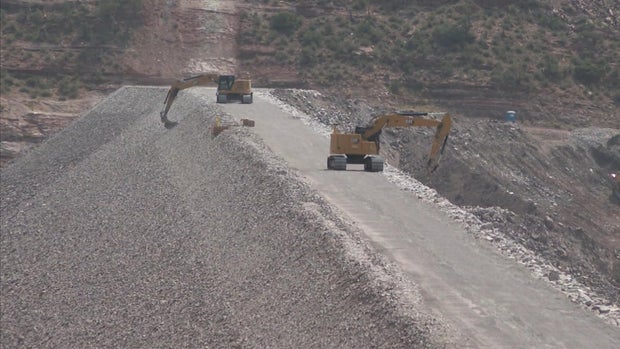
After decades of planning and years of construction, Northern Colorado's Chimney Hollow Dam is nearly complete. Construction crews topped off the 350-foot-tall dam recently and are preparing to pave a roadway across the top that will not be utilized by the public.
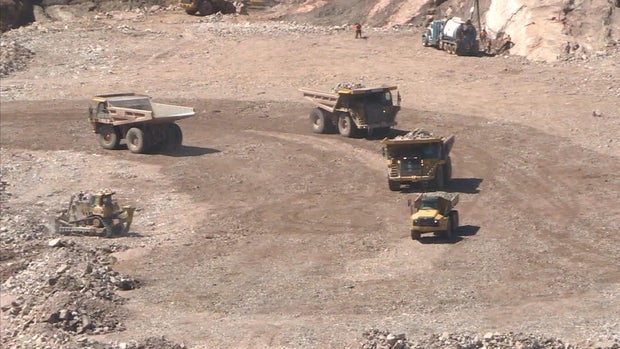
The dam, which is located west of Loveland, is more than 1,000 feet wide and includes a thin layer of asphalt to help prevent water from seeping through the rocks used to build it.
Chimney Hollow Reservoir, and the dam, have been in the works for decades now as Northern Water looked to secure more drinking water for Northern Colorado's projected population growth. The region has already grown exponentially and is expected to double in population in the next 20 years.
"The need for water is great," said Jeff Drager, director of engineering for Northern Water.
Drager was one of the first people to join the project decades ago and has been able to watch the vision become a reality.
"I was hired 30 years ago for preliminary studies for this project," Drager said. "So, yeah, it has been a long time career building thing for me."
Drager invited CBS News Colorado's Dillon Thomas to visit the top of the dam, almost four years to the day that crews broke ground on the project. There he showed how crews are now cleaning up their work zones, removing now-unnecessary ramps and relocating their machinery off site.
"It is pretty amazing. For a long time I wasn't sure we were going to get here. It almost feels like a dream," Drager said.
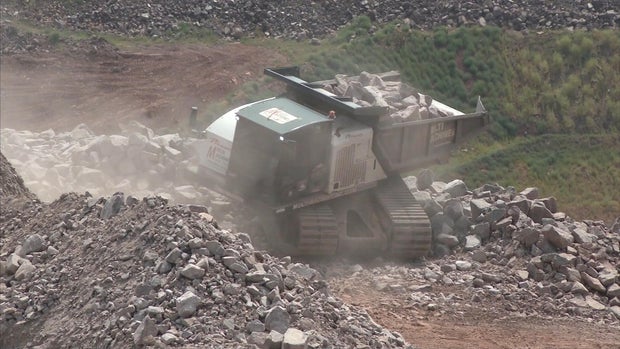
Drager recalled hearing how contractors planned on completing the dam, saying they would operate a 24 hour mission to expedite the construction process. That would be done by pulling rock from an on-location quarry and moving it to where the dam was being built. Trucks capable of carrying one tone of rock at a time would do the moving.
"They (told me they) would dump one of those trucks every two-to-three minutes, 24 hours a day, for two and a half years to get the project completed. Which at the time I thought was crazy, but they have done that," Drager said.
As previously reported by CBS News Colorado, Northern Water recently discovered heightened levels of uranium in the rocks which were used to build the dam. That continues to create extra work for Northern Water as they try and evaluate their options for treating or diluting the water they plan to fill the dam with.
Engineers like Drager are hopeful that filling the reservoir with water will help dilute the levels of uranium detected in water currently on-site which is surrounded by construction crews, work and equipment.
Drager said the team hasn't determined what course of action they will end up taking yet. However, he said one option would be diluting the water by combining it 20-to-one with water from other sources like nearby lakes, rivers and more.
Northern Water may also consider building on-site treatment plants or dispersing the water to be treated by water providers that bought into the project.
Drager said filling the reservoir with water could begin in the next two months.
However, he said sending the water downstream to providers may be delayed by anywhere from six months to multiple years while they wait to find a proper way to navigate the uranium levels.
The Environmental Protection Agency allows uranium to be in drinking water, however there are strict limits on the levels that can be in the water. Right now there is concern the water from Chimney Hollow could exceed that level for the next five to ten years if not properly treated, Drager said.
However, the issues around uranium are not going to be enough of a concern to derail the project. Drager said the dam and future reservoir will be a promising resource for Northern Colorado residents for decades to come.
"This project is a long-term reliable source of water for about 800,000 people on the Front Range. From Broomfield out to Loveland and Greeley, and all the towns between them. All of them will rely on this for a reliable source of water going into the future," Drager said.


