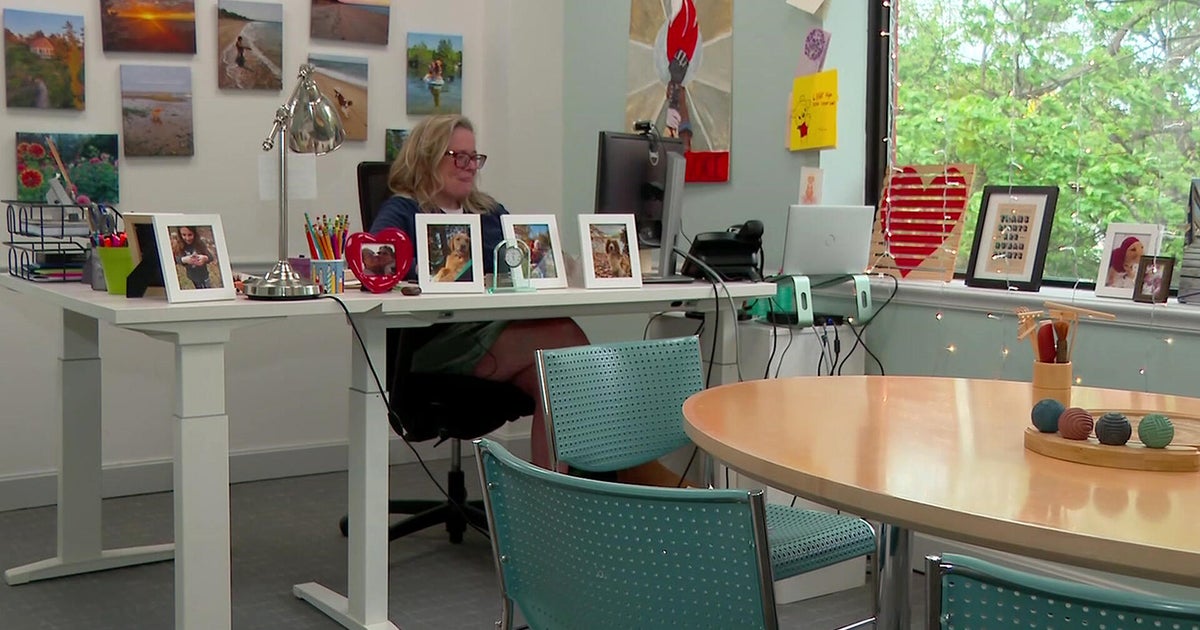
Children's Hospital Colorado reports spike in eating disorder patients

October is historically one of the highest-demand months for eating disorder care. Children's Hospital Colorado reports a 73% rise in patients who used its Eating Disorders Program over the last year. Clinicians also say younger teens, 13 to 15, are showing up more often.
Ashley Flores was 14 when controlling food began to feel like a way to cope.
"It was like a form of distraction," she said. "If I was focusing on food, I didn't have to focus on the other negative stuff going on in my life."
What started with bulimic behaviors shifted into restriction and escalated. Flores hid what was happening for a while, but eventually the cost was visible and dangerous.
"My heart was really impacted," she said. "I couldn't walk up or down the stairs at school. I had no energy."
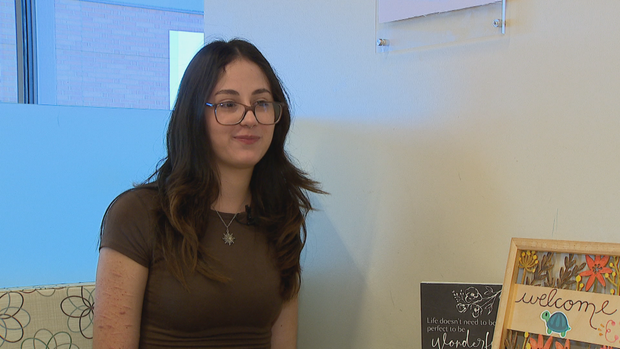
After multiple hospitalizations, Flores entered Children's Hospital Colorado's Eating Disorders Program and then returned for a second admission in December 2024. That was the turning point.
"Coming back and seeing I had people here who really cared about me changed how I saw myself," she said. "I started feeling like I deserved all the good things they thought I deserved."
She graduated in April 2025, staying connected to outpatient care with a psychiatrist and dietitian, and has kept working at recovery daily.
Now 18, she's finishing her Certified Nursing Assistant program and plans to become a registered nurse.
"Recovery is hard and it's not linear," she said. "But there is a life beyond an eating disorder, and they deserve to experience that."
Dr. Sarah Horvath, a licensed clinical psychologist with Children's Hospital, says eating disorders are complex and often hidden in plain sight.
"A lot of eating disorders function in secrecy," Horvath said. "Warning signs can include being more secretive around meals, not wanting to eat with the family, hiding food, restricting certain food groups, binge eating, self-induced vomiting, or exercising more than normal. Physical signs can include weight changes, dizziness, fainting, and fatigue."
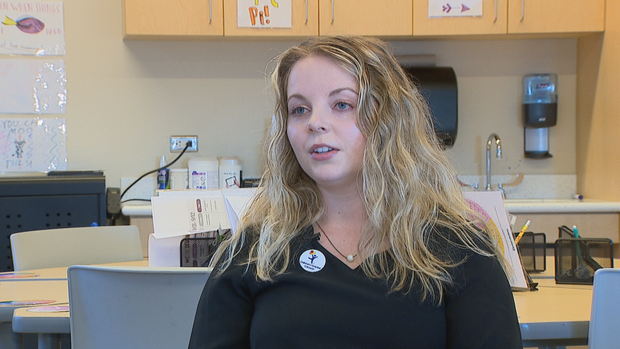
On the surge in cases, Horvath points to the broader youth mental-health crisis and multiple drivers.
"Eating disorders are influenced by biology, psychology and social factors," she said. "Social media and today's body-image pressures are part of that social environment and can contribute."
The Eating Disorder Plan is a partial hospitalization model: youths attend 7:30 a.m. to 6 p.m., then go home at night. The stay typically lasts six to eight weeks, with time at home increasing as patients stabilize. Treatment is multidisciplinary -- therapists, psychologists, psychiatrists and dietitians -- and intentionally family-based.
"It can be so hard to have internal motivation for recovery," Horvath said. "We rely on caregivers to supervise nutrition, set limits on the eating disorder, and support their child. Involving the family leads to better long-term outcomes."
Families receive group and family therapy and coaching to handle meals, anxiety spikes and setbacks at home. The program includes a school specialist so patients can keep pace academically.
Access can be challenging, depending on insurance and logistics. The hospital works with families on support options like transportation.

Children's Hospital Colorado says the demand for eating-disorder care often increases in October. Horvath believes school stress, rising anxiety as the semester intensifies, peer dynamics, and food-centered holidays all play a role.
For parents and teachers, signs to watch:
- New secrecy or avoidance of family meals
- Hiding food, cutting out entire food groups, or "clean/healthy" rules that grow rigid
- Excessive exercise or distress when activity is interrupted
- Rapid weight changes, dizziness, fatigue, fainting
- Disappearing into the bathroom after meals; bingeing or purging behaviors
"Push past the awkwardness," Horvath said. "Say what you're noticing and that you're concerned. Offer unconditional support and ask direct, caring questions."
While eating disorders remain most prevalent among adolescent females -- anorexia nervosa is among the most common chronic illnesses in that group -- Children's Colorado is seeing more 13 to 15 year olds, and more males and gender-diverse youth in treatment.
"Two-thirds of youth make a full recovery," Horvath said. "Early treatment and nutrition stabilization are tied to better outcomes."
Flores says family support became a decisive factor in her second admission. Her dad and sisters learned how to help with meals and encouragement, and learned to talk openly about the disorder.
"When I have hard days, they already know how to help me," she said. "If it wasn't for this program, I wouldn't be where I am today."
She offered advice to teens who feel they're too far gone.
"Recovery is achievable, even if you don't believe it yet," Flores said. "There are people who will believe in you until you can."