Ballot measure 3A in Littleton could impact what neighborhoods will look like

In Littleton, a measure that was in a legal battle will now be put in front of voters in November. Ballot measure 3A could impact what neighborhoods will look like and what property owners can do with their land.
Earlier in the week, the City of Littleton dismissed its petition over ballot measure 3A. In a statement, the city says it was because, "a completed review of the issues was unlikely before the November 4 election."
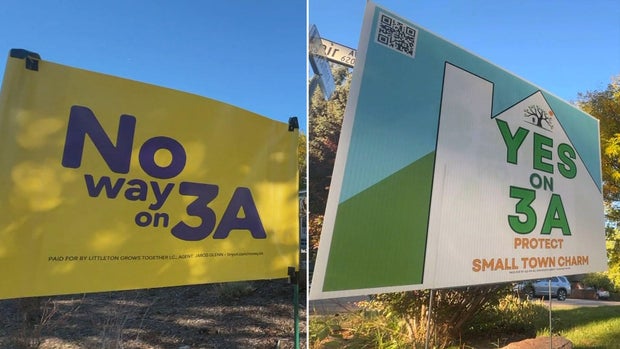
Ballot measure 3A would amend the city's charter to restrict land use and zoning changes for single-family residential homes and neighborhoods.
However, some say putting zoning in the city's charter is uncommon and difficult to reverse.
"Anytime you amend the city's constitution, that's more or less a permanent freeze in that constitution," said Josh Stewart, in opposition to 3A. "City council and the city no longer can make changes. In order to change it in the future, the only way to change it is for a citizen-initiated ballot measure."
If passed, 3A would amend the city's charter to freeze residential land use laws as they existed on January 1, 2025.
Residents opposing the measure believe 3A violates Colorado state law, would wipe out recent progress on housing density at the state and local level, and put restrictive rules in the city charter about people's use of their homes.
"It removes the ability for people to adapt their homes to the way their lives change," said Stewart. "It's also going to remove the state's version of an ADU and reverse us back to Littleton's previous version of an ADU, which is only available to those that have a backyard."
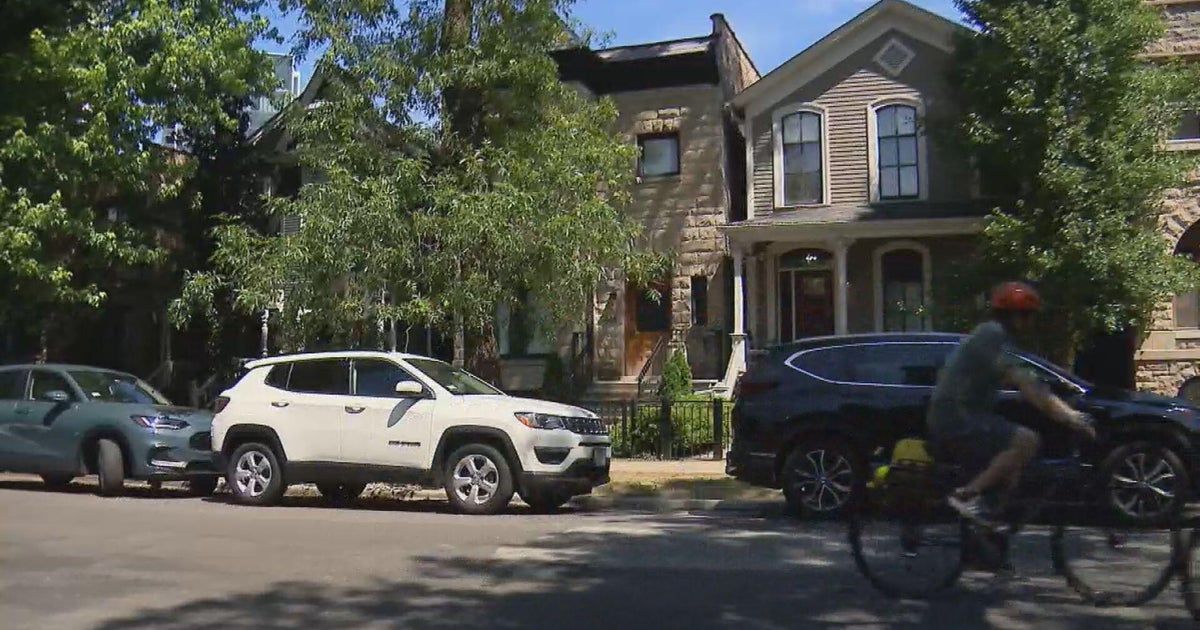
Just south of Denver, Littleton has a suburb feel with many single-family neighborhoods.
"I think that's one of the biggest assets the city has, and we're trying to preserve that," said Mark Harris.
People who pushed for the measure believe 3A will protect single-family neighborhoods by preventing blanket density, and preserve the Littleton charm.
Harris sits on the board with Rooted in Littleton -- the group behind getting the measure on the ballot. Over the summer, the group got enough signatures to put the measure in front of voters. Harris said it's a move to prevent multiplexes from being built in single-family residential neighborhoods.
"We are not against affordable housing, and we're not against density a multiplex type of structure where it makes sense," said Harris. "But I don't think putting multiplexes in every single single-family neighborhood is the right way to approach this."
Harris says the measure will also provide more transparency by requiring citizen input and approval before changes to land use codes or zoning are made. In September, Littleton City Council approved an ordinance to expand the notification process, but the charter amendment would take it a step further by providing notification to residents by first-class mail.
"All we want is for the voters to get a chance to have a say in the zoning of their one of their one of their greatest assets, their homes and their neighborhoods," said Harris.
Harris added the measure won't freeze all development and won't ban ADUs.
"We don't have an issue with ADUs. We're not trying to deprive anybody of existing ADU laws or laws that might come after us filing the charter amendment. We're taking no position on that. That's not our focus. Our focus is only about single-family residential homes," said Harris.
Vibrant Littleton, in opposition to 3A, believes the measure is "an attempt to put restrictive rules about the use of our homes into our city charter." The group believes passage of the measure would strip property rights from homeowners and would block future home uses that benefit seniors and young families. The group also said future housing flexibility with changes to the city charter would require another citywide vote which would be timely and costly.
Patrick Santana with the group called the outcome of the judicial review "consequential for all."
Stewart also believes if the measure passes, the city won't be able to respond to the changing needs of the community.
"At the heart of 3A, the biggest problem is that this is not a measure about density or home affordability. It's really all about the city's ability to respond to the needs that we don't even know what's going to happen," said Stewart. "If it's frozen in the year 2025, that's going to really make a difficult situation for the next generation of people that live in Littleton."
The city says it might look for further clarification from the courts in the future if needed.