Boeing Starliner lands on earth without crew on board
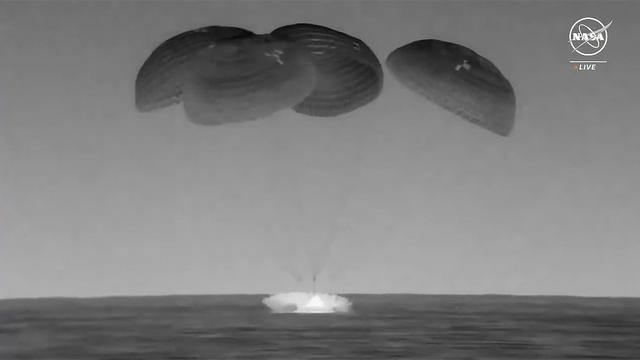
The Starliner slammed into the discernible atmosphere 400,000 feet above the Pacific Ocean before descending to a parachute-and-airbag assisted touchdown.
Watch CBS News
The Starliner slammed into the discernible atmosphere 400,000 feet above the Pacific Ocean before descending to a parachute-and-airbag assisted touchdown.
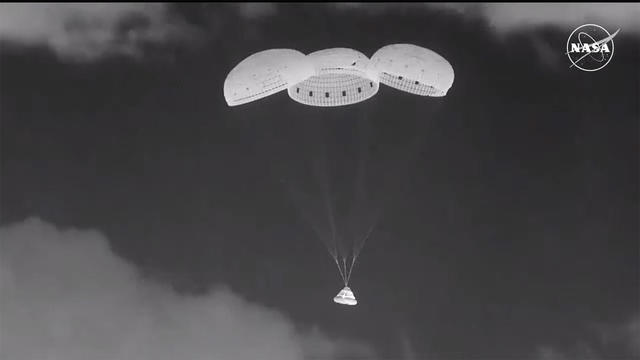
The Starliner slammed into the discernible atmosphere 400,000 feet above the Pacific Ocean before descending to a parachute-and-airbag assisted touchdown.
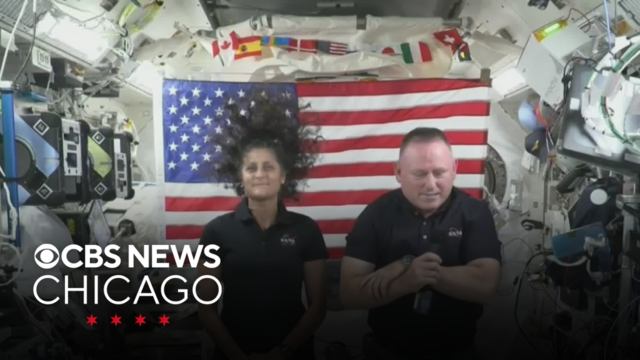
The spacecraft’s astronauts are set to return in a SpaceX Dragon capsule in February.
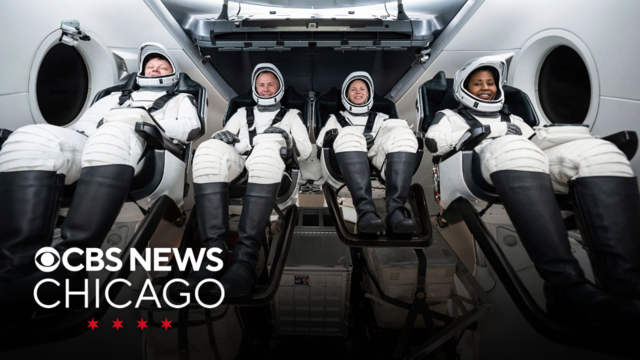
NASA has bumped two female astronauts, including the commander, from the next SpaceX crew rotation flight to the International Space Station, freeing up two seats to give the agency's Starliner astronauts a ride home next February.
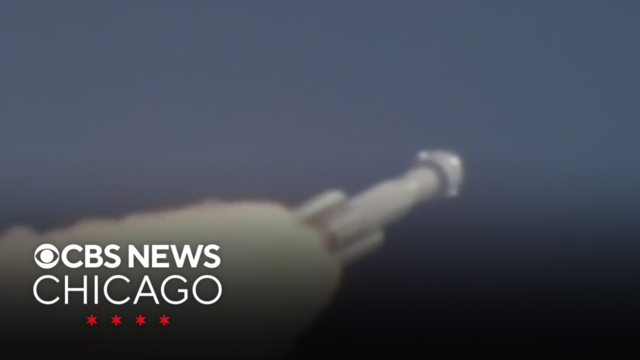
NASA ruled out bringing the astronauts home because of concerns about multiple helium leaks and degraded thrusters.

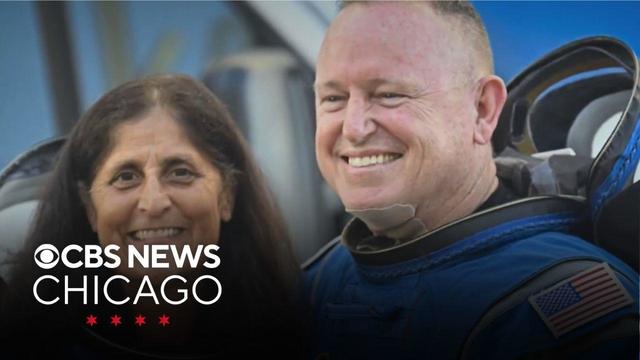
Suni Williams and Butch Wilmore have been in the station since June. They were supposed to be there for two weeks, but NASA said the Boeing Starliner isn't safe enough for the return home.
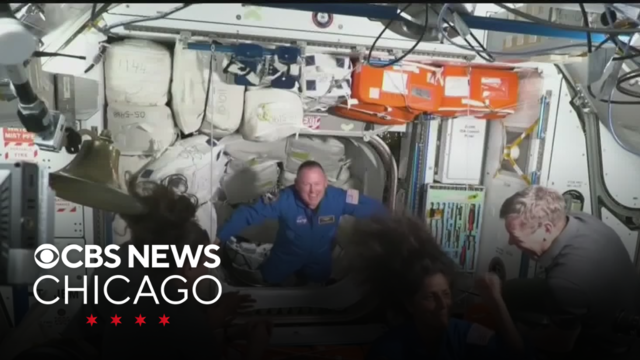
NASA says it's deciding whether the craft can safely bring two astronauts back to Earth. If not, they may have to wait until early 2025 to hitch a ride on a SpaceX Dragon.
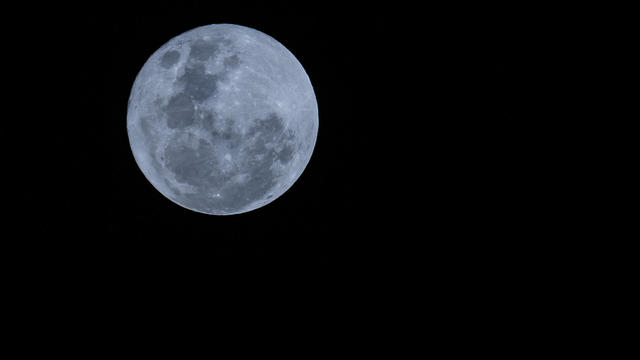
August's full moon, a rare blue moon and supermoon, is lighting up the night sky this week. Here's what time it peaks and where you should look.
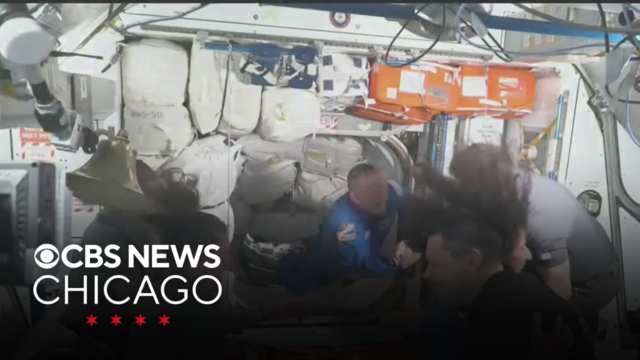
Suni Williams and Butch Wilmore went into space on the Boeing Starliner two months ago. They were only supposed to stay a few days, but questions about the capsule's safety kept them in orbit.

NASA is working to bring two astronauts, who have been stuck in orbit for seven weeks longer than expected, home.
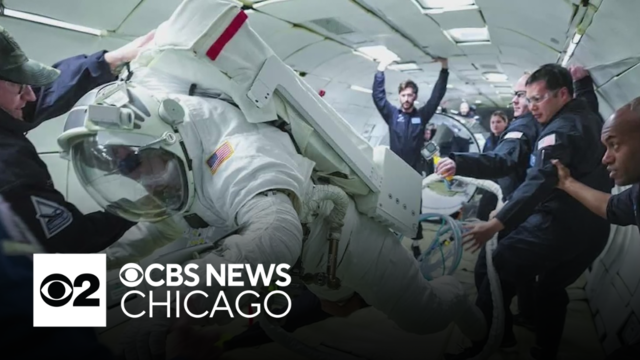
The space agency says it wanted a new suit design by 2026, but both parties acknowledge Collins cannot deliver that quickly.
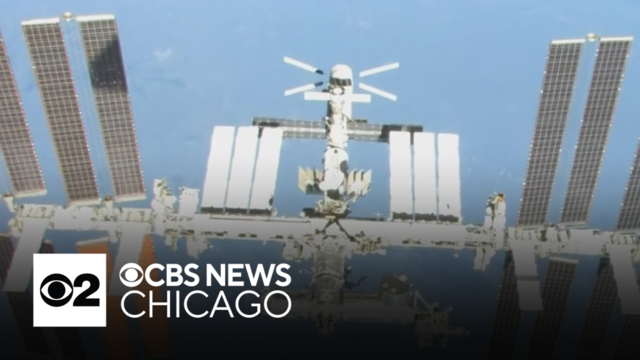
The station weighs nearly one million pounds and is roughly the size of a football field.
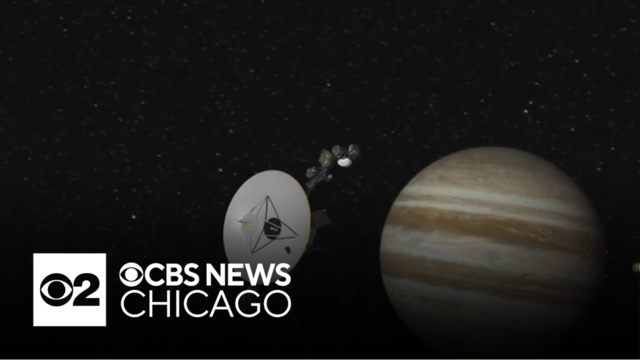
The probe was sending back corrupted data. Engineers were able to address the problem from 15 billion miles away.
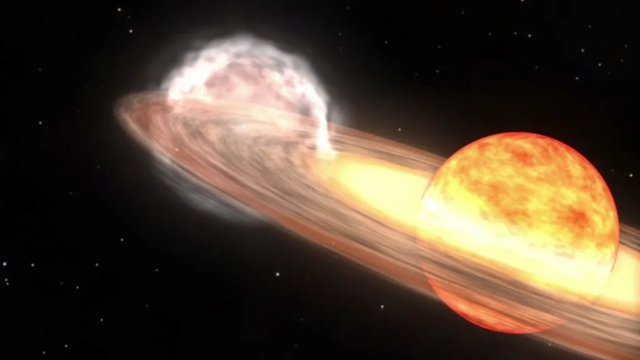
A dramatic cosmic explosion is expected this summer. NASA says the event will be visible to even the naked eye.
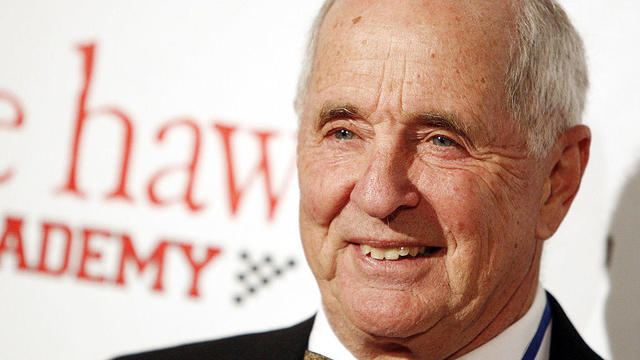
William Anders, who snapped one of the most iconic images of the space age, was killed when his small plane went down off the coast of Washington state.
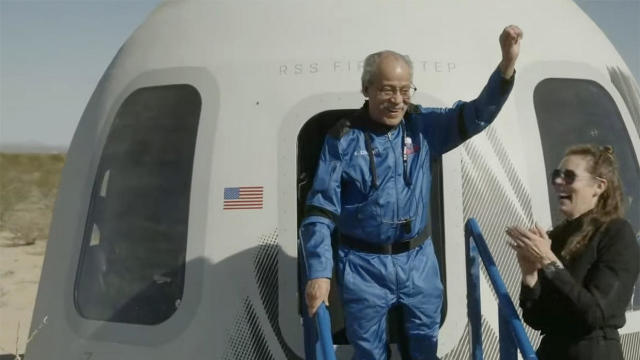
Ed Dwight trained to become the first African American astronaut but was never asked to join NASA. He finally flew into space on Sunday.

A single chip corrupted a chunk of the flight system’s memory.

How often do total solar eclipses, like the one on April 8, occur? It was the first in the U.S. since 2017, and the nation won't get another until 2044.

As Monday's total solar eclipse approaches, scientists are using the phenomenon to study animals, with research funded by NASA.
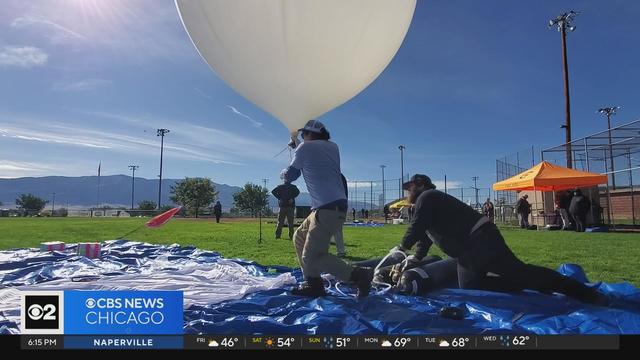
NASA hopes to promote STEM education on Eclipse Day. Part of that includes sending a team to each state to collect scientific data during the eclipse. CBS 2's Darius Johnson has the story.
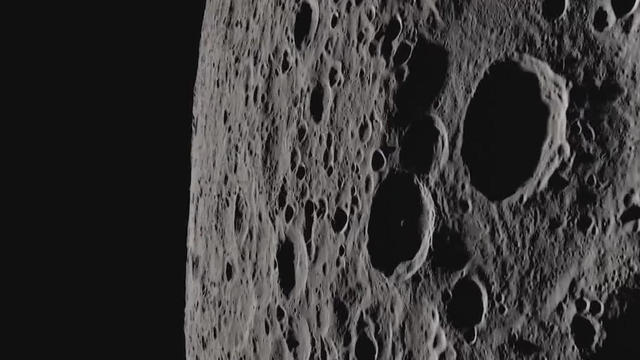
The head of the Office of Science and Technology Policy is asking scientists to establish a first-ever unified standard of time for the moon and other celestial bodies. But it is easier said than done.

The fake glasses could damage your eyes, NASA warns.
Splashdown in the Gulf of Mexico closed out a 199-day mission spanning 3,184 orbits and 84.4 million miles.

Last week, Odysseus became the first privately-built American spacecraft to set down on the moon in more than 50 years.

The lunar lander rocketing into space is called Odysseus, built by a Houston-based company called Intuitive Machines.