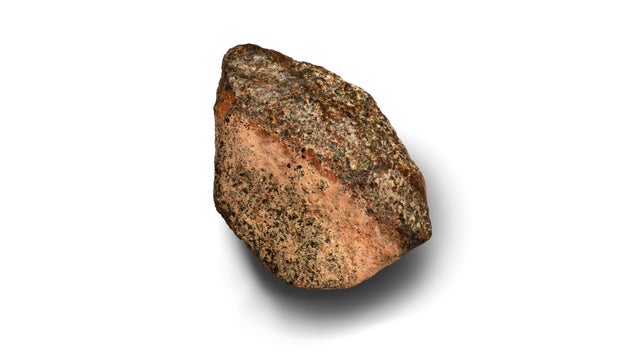
Meteorite found in the Sahara Desert turns out to be piece of Mars
A meteorite found in the Sahara Desert has been determined to be 4.1 billion years old and from Mars.
Watch CBS News
A meteorite found in the Sahara Desert has been determined to be 4.1 billion years old and from Mars.
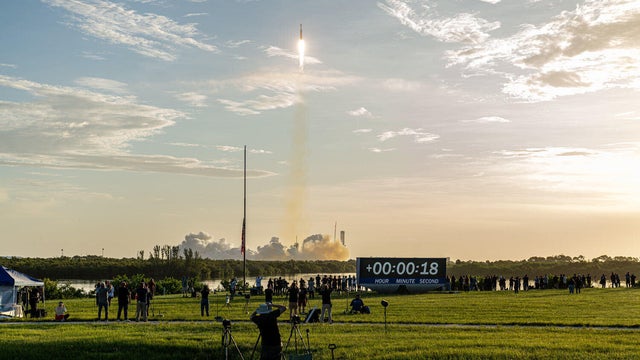
NASA's Roman Space Telescope launched shortly after daybreak from Kennedy Space Center and blazed toward an observation point 1 million miles away.
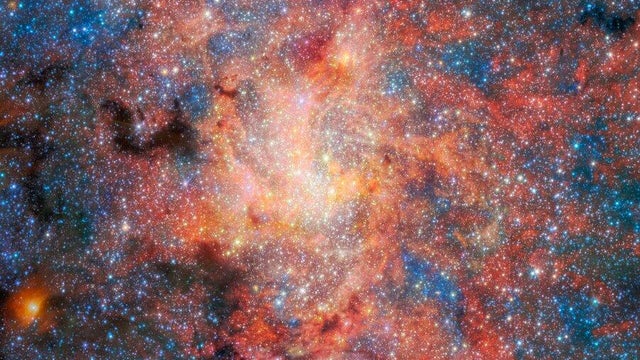
The newly discovered object looks like a star the size of our solar system, but produces 100 billion times more energy than any star.
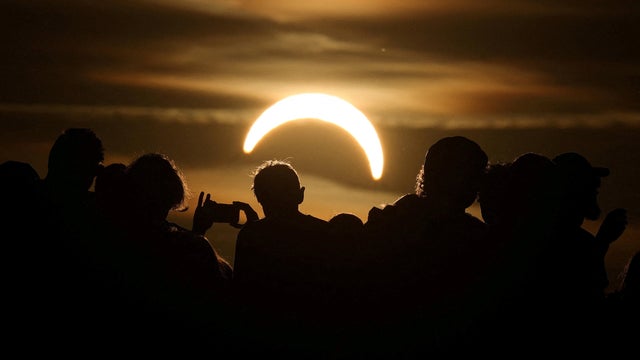
The only total solar eclipse of 2026 crossed the Northern Hemisphere Wednesday, with a path of totality across parts of Greenland, Iceland and northern Spain. See photos and video from the best viewing locations.
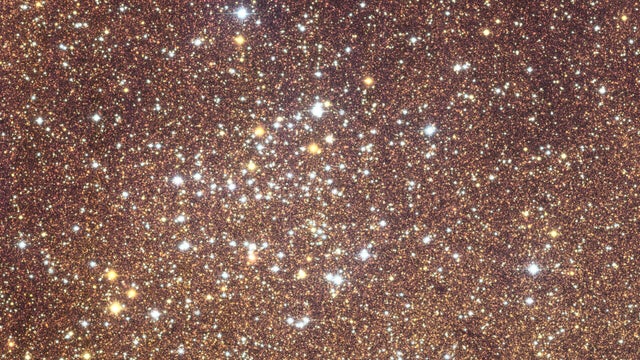
Euclid is on a mission to chart one-third of the sky in the hopes of shedding light on the enduring mysteries of dark matter and dark energy.
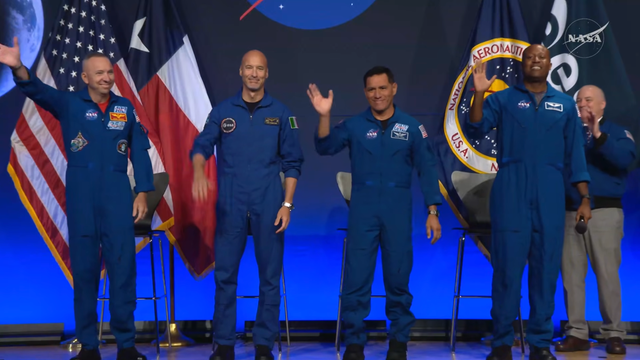
NASA's Artemis III astronauts plan to carry out rendezvous and docking procedures with commercial moon landers being built by SpaceX and Blue Origin.
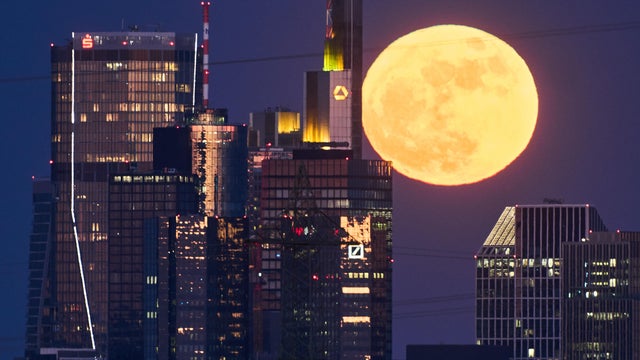
A rare blue micromoon will appear in night skies this weekend. Here's what to expect.
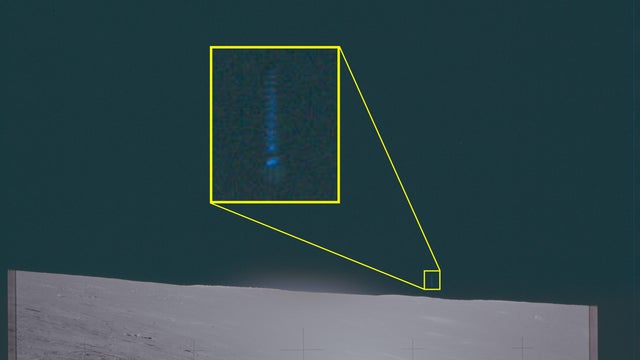
NASA's Apollo 17 crew reported seeing three mysterious dots and sparks that resembled fireworks, according to new files released by the Pentagon.
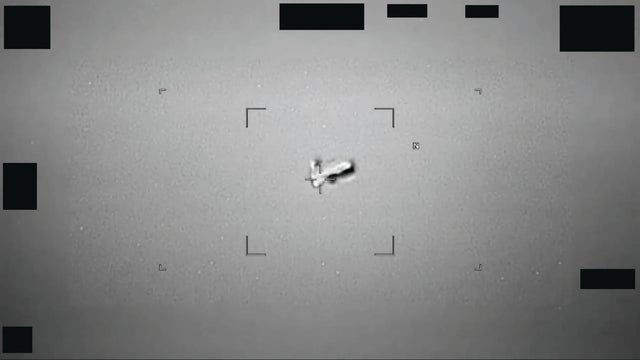
Defense Secretary Pete Hegseth said in a statement that the documents "have long fueled justified speculation — and it's time the American people see it for themselves."
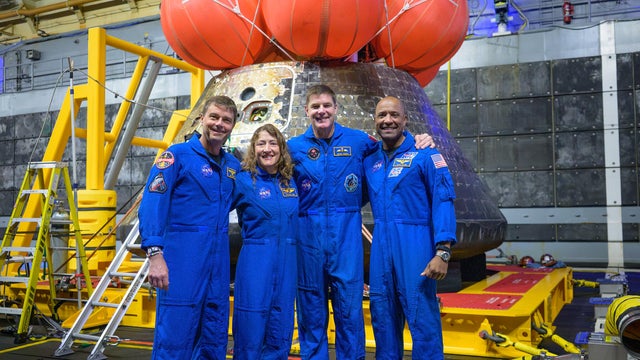
The Artemis II astronauts flew back to the Johnson Space Center in Houston Saturday to cheers and applause from family members and hundreds of NASA workers.

NASA's Artemis II astronauts returned to Earth with a splashdown landing in the Pacific Ocean after making a high-speed reentry through the atmosphere.
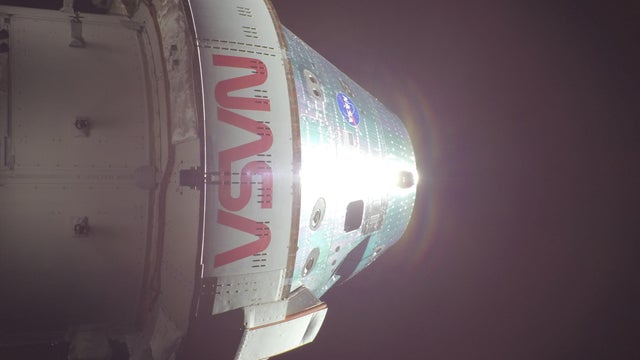
Despite problems during the unpiloted Artemis I reentry, the Artemis II crew is confident their heat shield will protect them during a fiery descent to Earth.
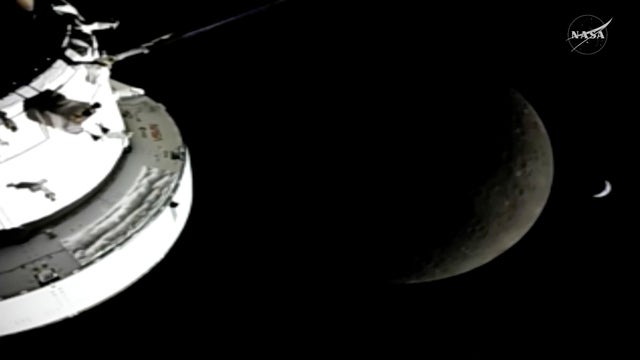
The Artemis II crew flew farther from Earth than any humans in history as they passed over the far side of the moon on Monday night.
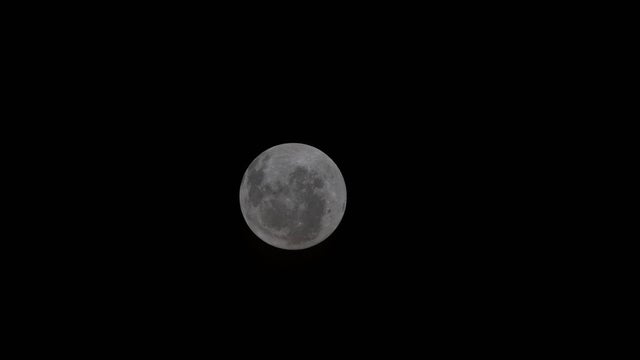
The crew of NASA's Artemis II mission captured a new image of the far side of the moon, which the agency released Sunday.
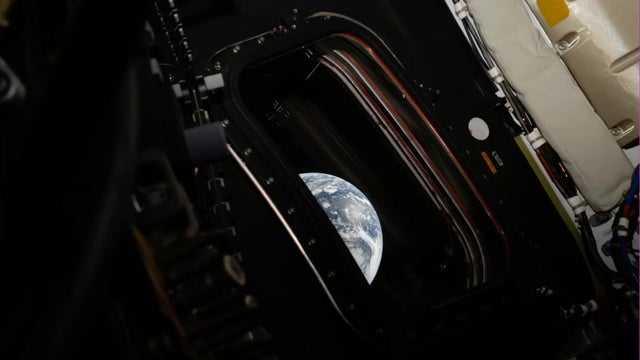
The photo shows the entire planet, as well as the Northern and Southern lights.