Judge won't yet dismiss lawsuit over use of force during Midway Blitz, citing deadly Minneapolis shooting by ICE agent



A federal judge in Chicago on Thursday declined to immediately dismiss a lawsuit that prompted a court order limiting immigration agents' use of force during Operation Midway Blitz, citing in part concerns about the shooting death of a U.S. citizen by an ICE agent in Minneapolis.
The Chicago Headline Club and other plaintiffs filed the suit in October 2025, saying actions by federal agents during Operation Midway Blitz in the Chicago area violated their First Amendment rights.
Two months later, after obtaining an injunction limiting immigration agents' use of force, the plaintiffs moved to drop the lawsuit, saying it appeared the immigration enforcement blitz in Chicago "has ended" for now. In their motion, they promised to re-file if agents continue violating the First Amendment rights of the press.
U.S. District Judge Sarah Ellis said Thursday she has concerns about dismissing this case – especially after the shooting death of woman by an ICE agent in Minneapolis this week – because restrictions she put in place on agents' use of force in the Chicago area would be tossed out if the lawsuit is dropped.
"If I dismiss this case, the preliminary injunction ceases to exist. And certainly, given my ruling, I believe that the evidence presented in this case justify the need for a preliminary injunction to govern the actions of federal agents when they're interacting with legal observers, journalists and protesters," Ellis said. "It doesn't give me much comfort in reading news reports that someone who in some news reports anyway was described as a legal observer, was shot yesterday in Minneapolis."
Still, attorneys for the group of protesters, journalists, and clergy who had sued over the feds' use of force in Chicago have said dismissing the case at this point is in their clients' best interest. They also said, if immigration enforcement efforts ramp up again in Chicago, and federal agents cause harm to others, "those people will no doubt have basis" to file a new lawsuit.
"The legal standards that apply here require that there is some ongoing or imminent risk of harm, and so currently that is not present because [Border Patrol Commander Gregory] Bovino has left the jurisdiction, and the current reporting is that he and his forces are moving concertedly to Minneapolis," attorney Steve Art said. "If they come back, and the situation on the ground changes, then we will have the grounds to file another lawsuit."
Regardless, Ellis declined to rule on Thursday on the request to dismiss the lawsuit, saying she needed more time to review case law before making a final decision. She scheduled another hearing for Jan. 22.
For months, federal agents' actions played out in Chicago's streets, and videos of those encounters were shown in Ellis' courtroom. Ellis referenced that footage on Thursday, along with the possibility immigration agents could soon return in force.
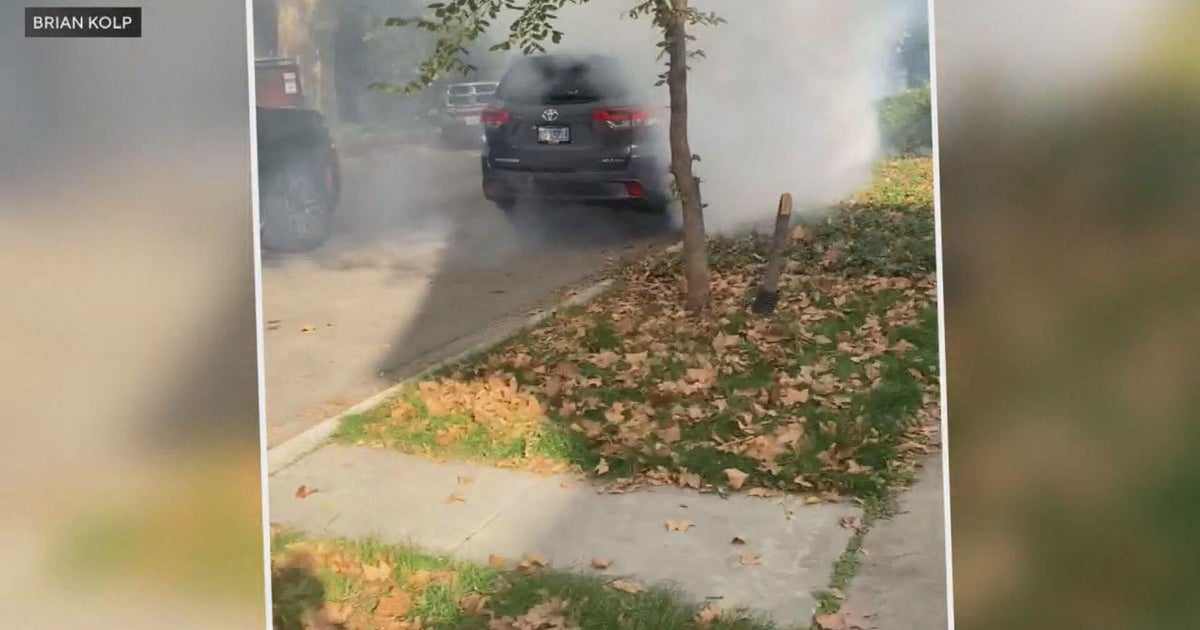
Not too long ago, protests at the ICE facility in Broadview, agents' use of force on protesters in the city and suburbs, and Border Patrol Commander Gregory Bovino's own actions to deploy tear gas in Little Village prompted multiple complaints from the protesters, journalists, and clergy who filed a lawsuit against the Trump administration.
They succeeded in convincing Ellis to issue an injunction restricting federal officers from using certain force unless absolutely necessary, after finding rarely, if ever, was such force necessary during Operation Midway Blitz.
Bovino testified about his agents' actions, which Homeland Security officials at times justified by calling protesters "rioters" who "boxed in" or "rammed" federal vehicles. But Ellis said Bovino and other federal agents lied about the threat protesters posed.
Ellis had ordered Border Patrol agents to begin using body-worn cameras to better capture what happened in the street.
In issuing her injunction limiting federal immigration agents' use of force in the Chicago area, Ellis had ruled their repeated aggressive use of force against peaceful protesters "shocks the conscience." She also found the Trump administration's testimony about agents' use of force "to be simply not credible," saying that Bovino had lied in testimony about the threats protesters posed before he personally used force in certain instances.
The Trump administration appealed that ruling and asked the 7th U.S. Circuit Court of Appeals to grant an emergency stay halting the injunction until the appeals court rules on the merits of the case.
The appeals court granted that stay last month, ruling the Trump administration is likely to succeed in its appeal, calling Ellis' ruling "overbroad."
However, the appeals court also cautioned observers "do not overread today's order," saying despite its concerns about the breadth of Ellis' order, it is possible it will support "a more tailored and appropriate preliminary injunction that directly addresses the First and Fourth Amendment claims raised by these plaintiffs."
Should Ellis agree to dismiss the lawsuit, it's unclear if the 7th Circuit would also immediately drop the case.
Some have drawn parallels between what happened in Chicago last year to what has unfolded in Minnesota in recent days after 2,000 agents were deployed to the Twin Cities of Minneapolis and St. Paul to conduct immigration raids.
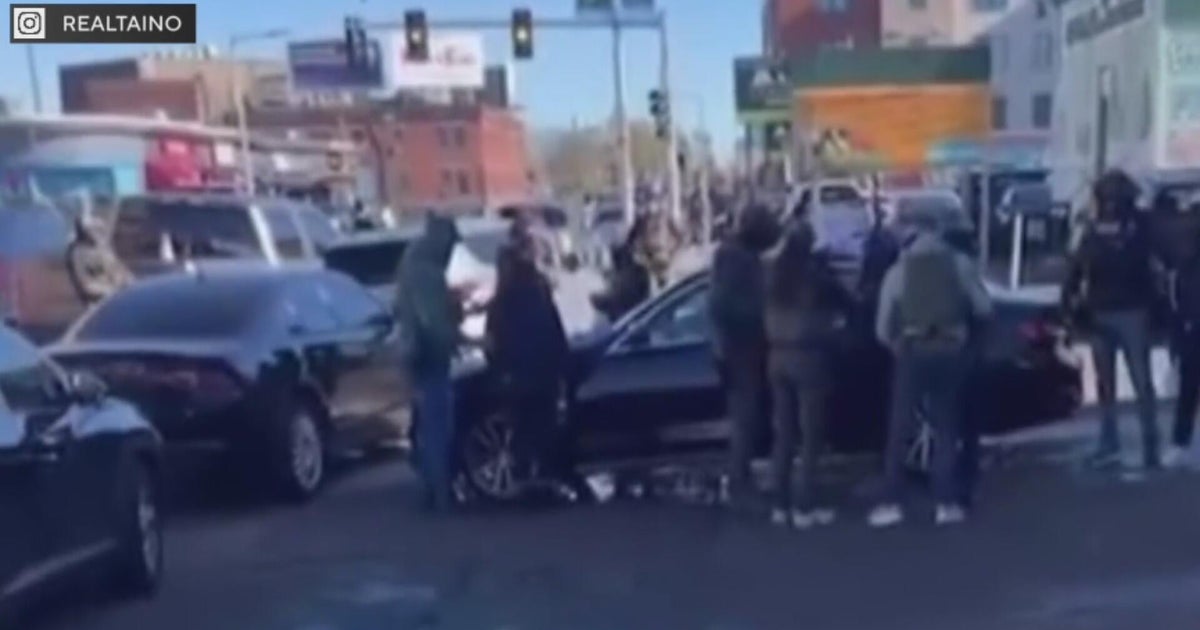
Federal officers are using similar words to describe those crowds, calling people "rioters" and also claiming they have been using cars as weapons, while using similar tactics of deploying tear gas and pepper spray on crowds.
That immigration enforcement effort has been met with protests resembling those in Chicago, especially following the shooting death of 37-year-old Renee Good by an ICE agent in Minneapolis.