DEEP FREEZE DANGER: A SURVIVAL GUIDE
What To Do When Temps Plummet To Life-Threatening Levels
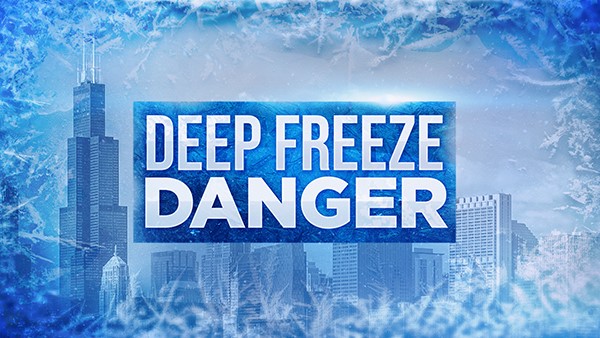
Temperatures will plunge to historic lows over the next two days. Read about what happens to your body in extreme cold.
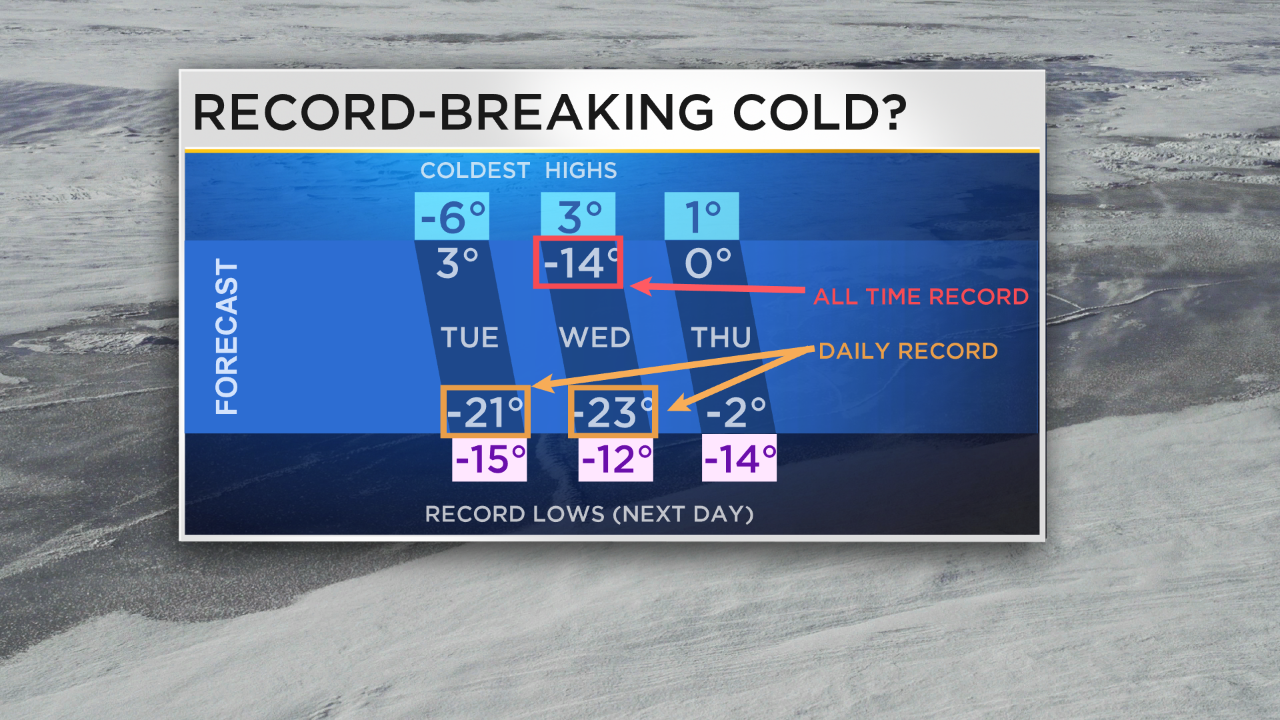
Here is what you need to do, to stay safe and prepared, according to the Red Cross.
Have An Emergency Preparedness Kit

According to the Red Cross, at a minimum, you should have the basic supplies listed below:
Water: one gallon per person, per day
Non-perishable, easy-to-prepare food
Flashlight
Battery-powered or hand-crank radio (NOAA Weather Radio, if possible)
Extra batteries
First aid kit
Medications (7-day supply) and medical items
Multi-purpose tool
Sanitation and personal hygiene items
Copies of personal documents (medication list and pertinent medical information, proof of address, deed/lease to home, passports, birth certificates, insurance policies)
Cell phone with chargers
Family and emergency contact information
Extra cash
Emergency blanket Available on the Red Cross Store
Map(s) of the area
Make Sure Your Car Is Winter Ready
Keep in your vehicle:
A windshield scraper and small broom
A small sack of sand for generating traction under wheels and a set of tire chains or traction mats
Matches in a waterproof container
A brightly colored (preferably red) cloth to tie to the antenna
An emergency supply kit, including warm clothing, water and high-energy snacks.
Keep your vehicle's gas tank full so you can leave right away in an emergency and to keep the fuel line from freezing.
Keep handy a warm coat, gloves or mittens, hat, water-resistant boots, and extra blankets and warm clothing for each member of the household.
If You Become Stranded ...
Stay in the vehicle and wait for help. Do not leave the vehicle to search for assistance unless help is visible within 100 yards. You can quickly become disoriented and confused in blowing snow.
Display a trouble sign to indicate you need help. Hang a brightly colored cloth (preferably red) on the radio antenna and raise the hood after snow stops falling.
Run the engine occasionally to keep warm. Turn on the engine for about 10 minutes each hour
If You Must Go Outside
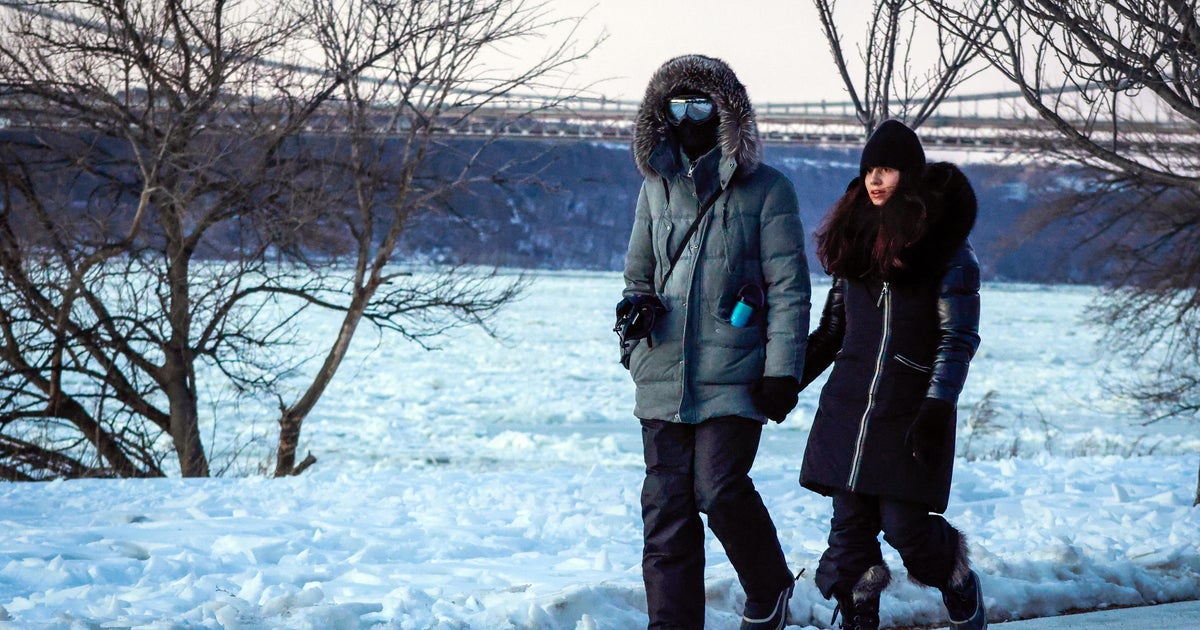
Wear layered clothing, mittens or gloves, and a hat. Outer garments should be tightly woven and water repellent. Mittens or gloves and a hat will prevent the loss of body heat.
Cover your mouth to protect your lungs from severely cold air. Avoid taking deep breaths; minimize talking.
Watch for signs of hypothermia and frostbite.
Keep dry. Change wet clothing frequently to prevent a loss of body heat. Wet clothing loses much of its insulating value and transmits heat rapidly away from the body.
Avoid overexertion, such as shoveling heavy snow, pushing a vehicle, or walking in deep snow. The strain from the cold and the hard labor may cause a heart attack. Sweating could lead to a chill and hypothermia.
If you must go out during a winter storm, use public transportation if possible. About 70 percent of winter deaths related to ice and snow occur in automobiles, according to the Red Cross.
Frostbite & Hypothermia
Frostbite is the freezing of a specific body part such as fingers, toes, the nose or earlobes.
Signs of frostbite:
• Lack of feeling in the affected area
• Skin that appears waxy, is cold to the touch, or is discolored (flushed, white or gray, yellow or blue)
What to do for frostbite:
1. Move the person to a warm place
2. Handle the area gently; never rub the affected area
3. Warm gently by soaking the affected area in warm water (100–105 degrees F) until it appears red and feels warm
4. Loosely bandage the area with dry, sterile dressings
5. If the person's fingers or toes are frostbitten, place dry, sterile gauze between them to keep them separated
6. Avoid breaking any blisters
7. Do not allow the affected area to refreeze
8. Seek professional medical care as soon as possible.
Hypothermia is the cooling of the body caused by the failure of the body's warming system.
Signs of hypothermia:
• Shivering
• Numbness or weakness
• Glassy stare
• Apathy or impaired judgment
• Loss of consciousness
What to do for hypothermia:
1. CALL 9-1-1 or the local emergency number
2. Gently move the person to a warm place
3. Monitor breathing and circulation
4. Give rescue breathing and CPR if needed
5. Remove any wet clothing and dry the person
6. Warm the person slowly by wrapping in blankets or by putting dry clothing on the person.
• Hot water bottles and chemical hot packs may be used when first wrapped in a towel or blanket before applying. Do not warm the person too quickly, such as by immersing him or her in warm water.
• Warm the core first (trunk, abdomen), not the extremities (hands, feet).
More Resources
FEMA
- Winter Storm – Extreme Cold Preparedness
- Winter Preparedness Guide – Updated, May 2017 (English)
- Portable Heater Safety (English Video) and FEMA Fire Is Everyone's Fight - Winter Fire Safety (English Video)
CDC
- Winter Weather Preparedness
- Generator Safety - Generator Safety Factsheet (English, Spanish, French, Haitian, Portuguese, Vietnamese, Chinese, Arabic)
FDA