CPS students return to school amid $734 million budget deficit



Monday marked the first day of school for around 300,000 Chicago Public Schools students, but budget issues are a big focus for administrators.
The school district is facing a huge deficit, and on Tuesday, the public will have a chance to weigh in on how they feel the interim chief executive officer and school board should bridge the gap.
CPS leaders revealed their budget proposal this past Wednesday. They said that it closes a $734 million deficit through a mix of cost-cutting and new revenue.
CPS is still trying to finalize a budget plan without laying off classroom staff, and before the legal deadline of Aug. 28 — next Thursday.
It is unusual for the district to start a new academic year without a spending plan in place.
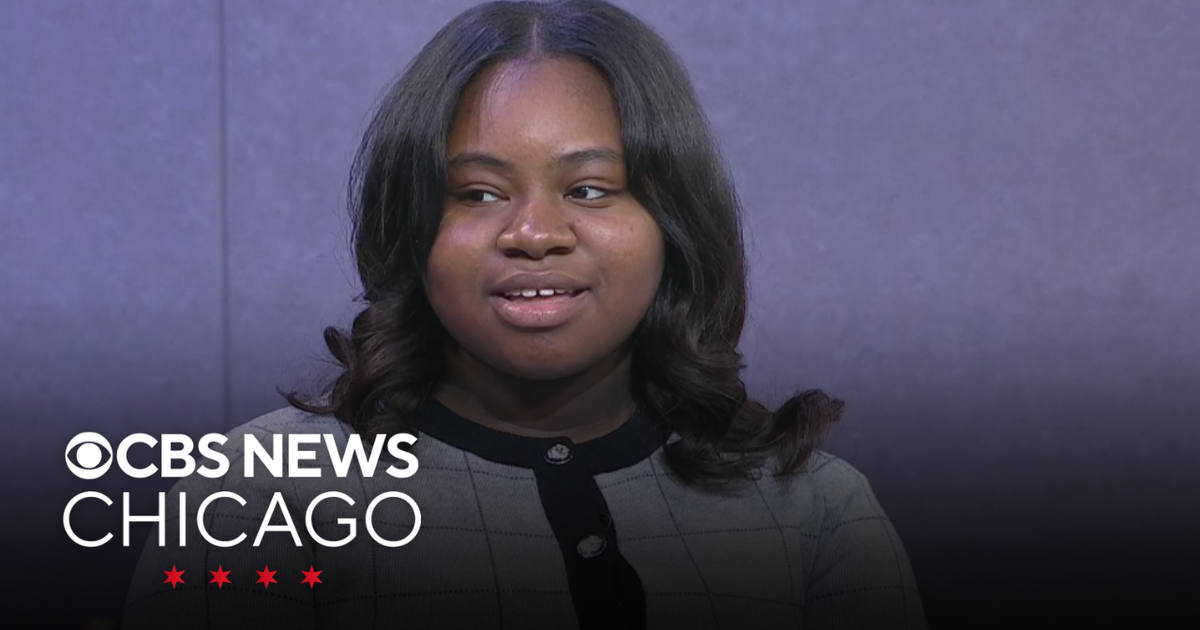
"I don't think I've had a long runway to begin with," said Chicago Public Schools chief executive officer Dr. Macquline King.
King, who has only been on the job for about two months, said last week that budget decisions cannot be rushed.
"This is not something that we can — a decision that we can make within an hour, within two hours," King said. "We will go to the very last minute to ensure that we get the best possible budget for our students."
Similar to her predecessor, Pedro Martinez, King is resisting taking out a controversial $200 million loan to help pay for a portion of a pension payment for some CPS employees. Chicago Mayor Brandon Johnson has supported the loan, and Martinez's refusal to support in led in part to his ouster last year.
King's $10.25 billion spending plan does call for cuts to meal prep staff, crossing guards, janitorial workers, and central office staffers — while leaving most classroom jobs untouched. The budget includes money for academic programs, facility upgrades, and staff retention.
"It is certainly painful for school communities to lose custodial staff, lunchroom staff, crossing guard staff. I don't want to discount that," said Hal Woods, chief of policy for the nonprofit Kids First Chicago, which elevates parents' voices largely with students on the city's South and West sides. "But I think CPS deserves a lot of credit for developing a budget, given the size of the deficit they were presented with at the beginning of the summer."
Woods pointed out that pension payments were always the responsibility of the city, and not CPS.
"We know that if CPS takes out a loan, takes out more debt primarily to make this [Municipal Employees' Annuity and Benefit Fund of Chicago] pension payment, it will cause significant negative financial repercussions for the district financially both this year, but also in future years," said Woods.
King's plan also relies on CPS accessing $379 million in surplus Tax Increment District funds — that is, tax money raised for revitalizing blighted areas. This amounts to about $79 million more in TIF surplus funds than CPS got last year after Mayor Johnson declared a record $570 million TIF surplus for Chicago.
On the first day of the 2025-2026 school year on Monday, Mayor Johnson visited Courtenay Elementary and Austin High School, which were newly designated as a sustainable community school under the CTU-CPS contract agreement.
Mayor Johnson, CEO King, and other leaders highlighted what they've spent months bargaining for — smaller class sizes, more school libraries, more access to nurses and counselors, among other changes.
The Chicago school board, again, has until Aug. 28 to pass a balanced budget for the fiscal year, which started July 1. Thus, lot will happen in the next 10 days, with a lot of closed-door meetings.
The current proposal will not change between now and the end of the month, but it is likely that there will be some new resolutions at the next board meeting.