Chicago mayoral candidate Joe Holberg calls for balanced budget, safer CTA
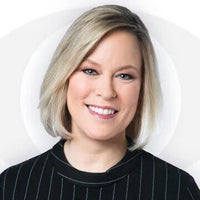

Nine people and counting have now announced campaigns for mayor of Chicago for 2027, and the first was Chicago business owner and former mathematics teacher Joe Holberg.
Holberg is the founder and chief executive officer of Spring, a wealth advisory firm that has since been acquired by Mariner. Holberg kicked off his campaign last fall.
"I was a first-generation college student. I was homeless in college. I slept in my car," Holberg said on CBS News Chicago Wednesday morning, "and I moved to Chicago for a job and opportunity, and I was a teacher on the West Side, first and foremost, and then I started a business, which was eventually sold, and I realized that the reason I was successful in life is because I just continued to put people first and serve them."
This is Holberg's first foray into politics — and he now finds himself in a crowded field that includes household names such as Alexi Giannoulias, Susana Mendoza, and Mike Quigley. But he is undeterred.
"You have an opportunity to serve 2.7 million people, and for me, that is the opportunity of a lifetime, to wake up every day and do something to make other people's lives more affordable so they have the opportunities and jobs that I came here for," Holberg said.
Holberg even wrote a book, "The Holberg Plan," outlining his plan for the city if he is elected mayor.
Among Holberg's plans are reducing spending while lowering and freezing property taxes.
"Number one, we have to balance the budget. There are recommendations out there from experts showing us a pathway to save $1 billion without needing to cut jobs, and on top of that, my main goal is to grow the city," he said. "If we grow and expand our tax base, not only will we have more revenue, but each of us will pay less, making our lives more affordable."
The city is facing a potential $1 billion deficit this year. Holberg is calling for balancing the budget while also expanding after-school programs and other initiatives that would require funding, and he said both can be accomplished at the same time.
"The first thing we need to do is we need to rein in spending, and I'll give you a concrete example, as many in the book are detailing. We buy $25 million too many vehicles a year," said Holberg. "If we just stop buying vehicles that are underutilized, we can start to free up resources all across the city to reinvest in other locations."
Meanwhile, Holberg wrote an op-ed for Streetsblog in July offering what he called "five commonsense solutions from a daily rider" for making the Chicago Transit Authority system safer and cleaner. In the op-ed, he dismissed a comment by Mayor Brandon Johnson in an interview with CBS News Chicago's Chris Tye in January that called for a "holistic approach" to dealing with issues on the transit system.
"I ride the CTA every day. Like millions of Chicagoans, I've witnessed screaming commuters, and trash and human waste on floors, seats, and windows. I've seen riders moving freely between railcars hawking goods, drinking openly, harassing fellow passengers, and committing acts of violence," Holberg wrote in Streetsblog. "The problems range from annoying to life-threatening, and they are accelerating."
The first solution in the op-ed was to clean the trains with roving teams that would take action mid-route, with Holberg writing, "When riders sit in cars that reek of urine, their first thought is whether they can take an Uber next time."
Second, he wrote, fare gates should be modernized to deter fare evasion, and third, smoke detectors should be installed.
"The CTA has cameras throughout the system but no smoke sensors," Holberg wrote. "Being hotboxed on the way to work or breathing secondhand cigarette smoke across town is not acceptable, and it's preventable."
Holberg also called for more security on trains, noting that most major criminal incidents happen on trains rather than platforms. Lastly, he called for a rapid-response technology layer, with "smoke detector feeds, a simple rider-reporting app for flagging issues in real time, and door sensors to track movement between cars."
"As a parent myself, and somebody that rides CTA every day, there are 1 million people in this city that ride CTA, and they wake up thinking, 'I don't want to use this public transit system. It is one of the best transit systems in the country, and yet, we aren't meeting riders' basic expectations around safety and cleanliness," Holberg said. "When you work on addressing CTA, like I have outlaid in my plan, you can actually start to emanate a greater sense of quality of life and safety for people all across the city, which is why it's such a high priority for me."
Holberg also calls for the use of smart technology for crime prevention and investigations. He was asked if such a plan would include bringing a gunshot detection system such as ShotSpotter back to the city.
Mayor Johnson shut down the ShotSpotter system in September 2024, and at the time he vowed to replace it with a new gunshot detection system. So far, no such thing has happened. And some alders have said the continued delay in replacing ShotSpotter is putting lives in danger.
Holberg did not directly address ShotSpotter, instead suggesting a sensor system that can pick up cigarette smoke, marijuana smoke, and illegal substances.
"We need to make sure that people are able to live in this city in a safe way for themselves and their families as well," he said.
Holberg may face an uphill battle to distinguish himself from the better-known candidates in the race, but he said he is up to the task.
"Money doesn't buy happiness, and it doesn't buy the mayor's seat either. I think this is about connecting with real Chicagoans on their issues," said Holberg. "This book, and my entire campaign and platform, are based on over a decade of serving the people of Chicago, listening to them, and improving their lives — whether it was in education or the financial education company that I built."


