Northwestern Medicine hopes to improve treatment for AFib using an Apple Watch
Right now, the industry standards call for AFib patients to take blood thinners for the rest of their lives.
Watch CBS News
Right now, the industry standards call for AFib patients to take blood thinners for the rest of their lives.

Abortion has been top of mind for many voters casting early ballots in the race for a seat on the Wisconsin Supreme Court.

In research published last month, UChicago scientists created a hydrogel out of husks from the malva nut.

Five years since COVID-19 was declared a pandemic by the World Health Organization, people who are still vulnerable to the virus have found safe ways to be in community.

The U.S. has seen the most measles cases in a single year since 2019, with the vast majority of cases confirmed from an outbreak in Texas and neighboring New Mexico.

About one in five newborns in the U.S. start out on infant formula, making it a crucial source of nutrition.

A musician from Chatham has written a song to help find a kidney donor, a musical plea to end his yearslong wait for a transplant.

Have you ever wondered how your body is aging, or why some people seem more vibrant the older they get? Those are some of the questions a doctor at Northwestern is trying to answer.

Five years ago, Northwestern Memorial Hospital's Medical Intensive Care Unit was in the process of being transformed into a COVID ICU.

A second person has died in the measles outbreak that started in West Texas.
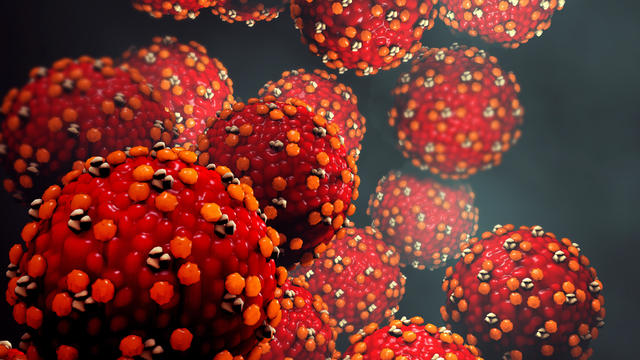
More than 97% of measles cases across North and South America have been in the U.S. or Canada.

The girl was not the only child who took the substance this week at McKay School in the Chicago Lawn neighborhood.

Chicago saw its own measles outbreak just last year — affecting in particular the migrant shelter in operation at the time in Pilsen.
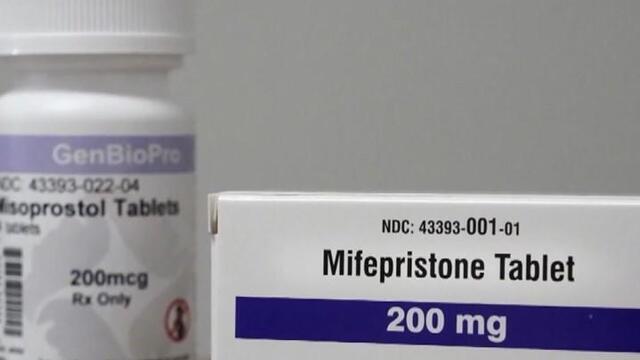
Patients can use the PPDirect app to get birth control, emergency contraception, treatment for UTIs, at-home testing for STIs, and medication abortion.

The National Institutes of Health says the cuts will save more than $4 billion a year, but critics say it puts potentially lifesaving research in jeopardy.