Maryland LGBTQ+ advocates vow to bolster resources amid changes to 988 lifeline
Maryland LGBTQ+ organizations are stepping up for youth, as a national resource will see changes in July.
The Trump administration announced that the 988 Suicide and Crisis Lifeline will end its service dedicated to LGBTQ+ youth by July 17.
The lifeline service has also been known as the Press 3 Option.
Advocates are making sure the youth who rely on this service continue getting the help they need.
Preparing for changes to LGBTQ+ lifeline service
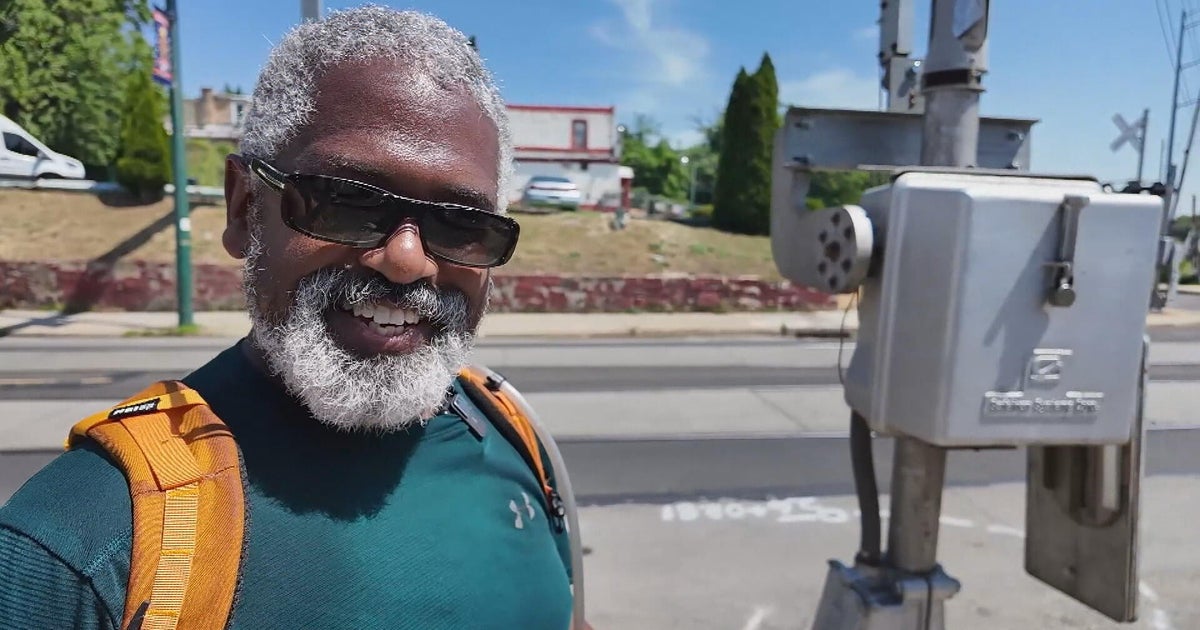
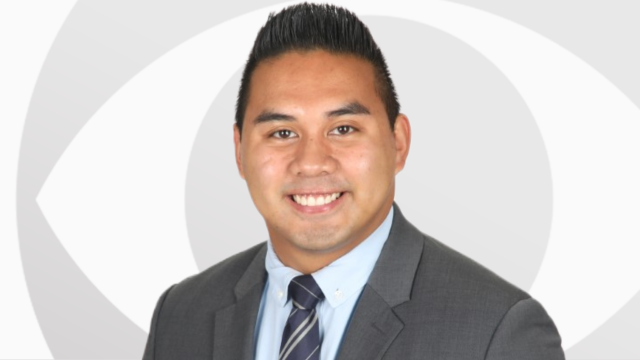
The end of the Press 3 Option came as no surprise to Cleo Manago, CEO of The Pride Center of Maryland. So, to prepare, he and his team have been working to create a suicide warm line.
"During traditional work hours, there will be live people to speak to about any suicidal concerns or ideations," Manago said. "For the rest of the time, there will be a recording that will alert people where they can call and where they can go [for help]."
This is on top of bolstering other suicide prevention and youth programming that the center does.
In its announcement, the Substance Abuse and Mental Health Services Administration, or SAMHSA, said the lifeline -- also known as the Press 3 option -- is ending on July 17.
Need for an LGBTQ+ lifeline
LGBTQ+ youth are four times more likely to die by suicide, according to The Trevor Project, a national nonprofit that is dedicated to ending LGBTQ+ suicide.
In its annual survey looking at mental health in LGBTQ+ youth, The Trevor Project found in Maryland that 40% considered suicide, 57% experienced symptoms of anxiety, and 48% experienced symptoms of depression.
When looking at the numbers for transgender and non-binary youth specifically, all categories reported higher numbers.
Tanner Mobley, an advocacy manager for The Trevor Project based in Baltimore, said about half of their contacts come from 988.
Right now, he and his team are working to get Congress to reverse the decision to keep the lifeline operating.
"I'm not gonna sugarcoat it, we're gonna lose lives," Mobley said. "These are kids who have been kicked out of their homes, who have been bullied at school for being LGBTQ+, and have been rejected by their communities. When they're calling in a moment of crisis, they need someone who understands that."
Until the lifeline leaves or stays, Mobley and Manago say they're gonna work even harder to ensure LGBTQ+ youth are cared for.
"Something is always bound to happen, and there's always a great potential for a lack of support. So, I've been doing what I can to bolster the support systems and diversify our resources to make sure we can survive these kind of attacks."
A full listing of services provided by The Pride Center of Maryland can be found here.
For services from The Trevor Project, you can find them here.