Plan to cut energy costs, modernize Maryland's electric grid proposed by Gov. Moore
A proposed bill in Maryland aims to secure funding for energy projects, modernize the state's power grid and provide bill rebates to property owners, according to Gov. Wes Moore.
The Lower Bills and Local Power Act would use $200 million from the state's Strategic Energy Investment Fund to address rising energy costs.
The proposed bill comes as residents and businessowners across the state continue to raise concerns about skyrocketing energy costs.
The legislation aims to provide relief for families, modernize infrastructure, and develop local energy generation projects.
Proposed energy bill rebates
Half of the funding under the Lower Bills and Local Power Act would be directed to families, with $100 million allocated to utility bill rebates.
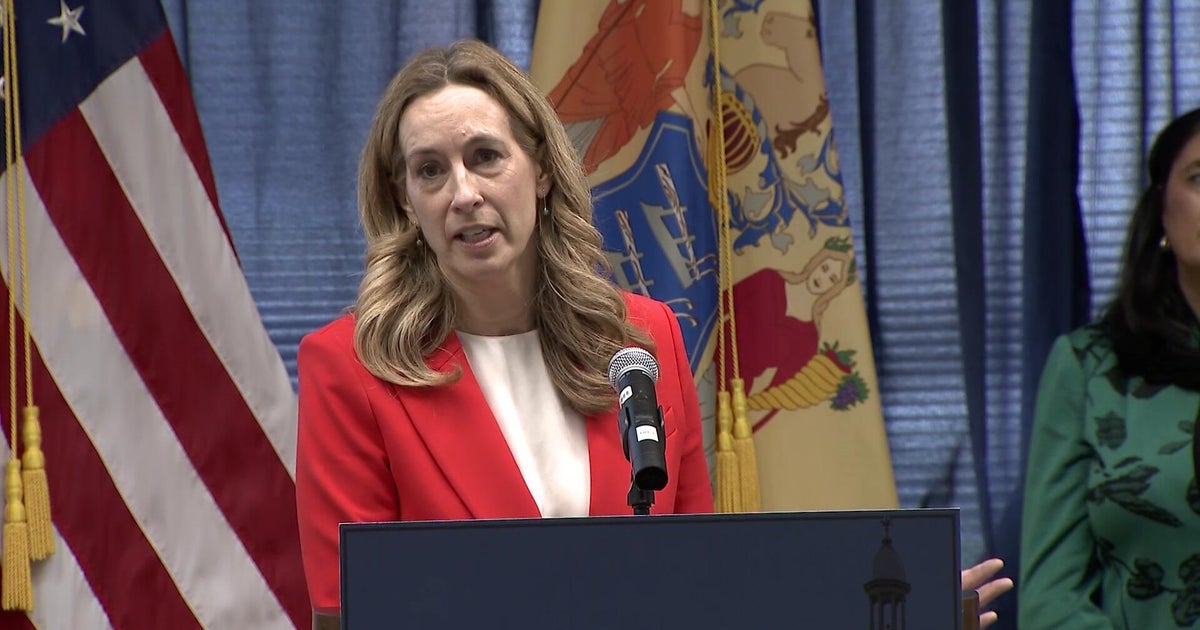
"Energy policy is about more than megawatts and transmission corridors—it is about whether Maryland families can afford to live in their homes," Gov. Moore said in a statement.
The rebates would be distributed in the fall and would be in addition to the $200 million allocated for electric bill rebates in the Next Generation Energy Act, according to the governor's office.
Modernizing energy infrastructure
Under the Lower Bills and Local Power Act, utility companies would be required to prioritize grid-enhancing technologies when they expand capacity. The modern technology is designed to increase the capacity and efficiency of existing transmission lines and increase reliability without the need for new infrastructure.
The legislation would also require companies seeking to build new transmission lines to submit plans and implement modern technologies before getting approval from the Public Service Commission (PSC).
The bill would allocate $100 million in funding to the Maryland Department of Transportation to identify areas where high-voltage transmission lines and battery storage projects can take place along highways and interstates.
According to the governor, Maryland can avoid land acquisition and permitting processes by using state highways to increase voltage capacity.
The proposed legislation would also eliminate the current .5% incentive that allows utility companies to collect additional profits and dictates that they join the regional transmission organization PJM Interconnection.
The bill would also establish the Solar and Energy Storage Gap Financing Program, which would invest $70 million to find clean energy projects.