Jury selection begins in packed courtroom for trial of murdered Maryland mother Rachel Morin

More than 120 potential jurors were questioned Tuesday as attorneys prepared to make their cases in the high-profile trial for the man accused of murdering Rachel Morin, a mother of five, who was found raped and murdered off a Harford County trail in 2023.
Jury selection is expected to end this week, which will be followed by opening statements.
Questions arose over whether the jury selection process had been handled constitutionally in the case against Victor Martinez-Hernandez, an undocumented migrant accused of Morin's murder.
Morin was found dead on August 6, 2023, a day after she left for a jog on the Ma & Pa Trail.
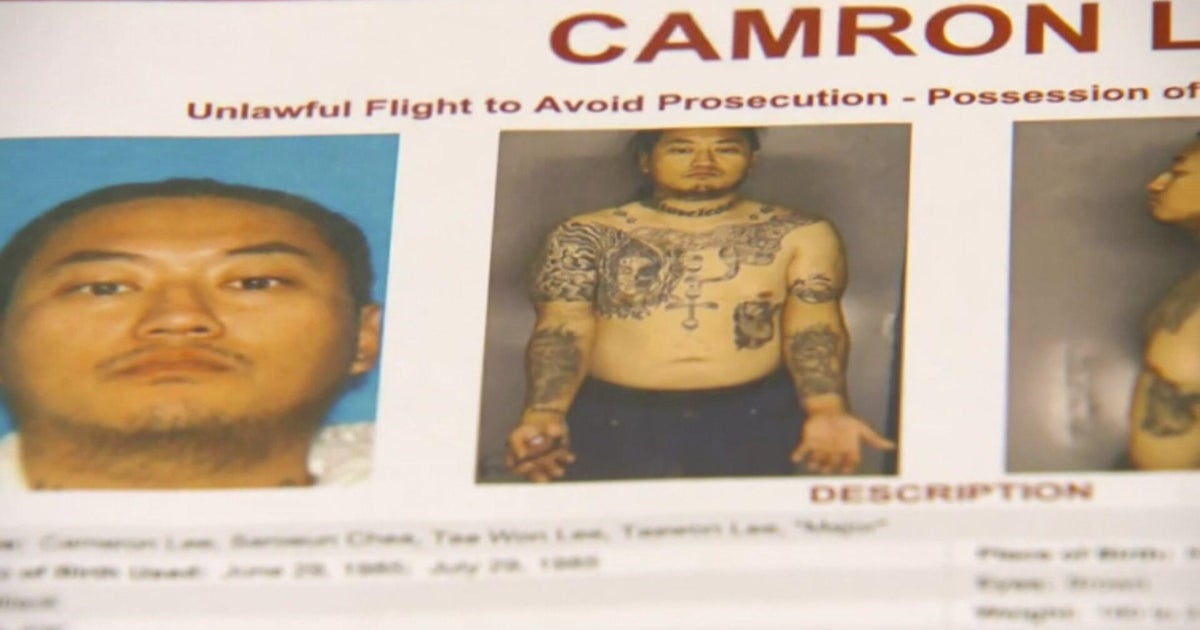
Martinez-Hernandez, who law enforcement said entered the country illegally from El Salvador, was arrested in June 2024 at a bar in Tulsa, Oklahoma, after a 10-month nationwide manhunt.
Public closed out due to overcapacity
The Sixth Amendment states that a defendant has a right to a public trial.
The Harford County courtroom was at capacity during jury selection on Tuesday -- with potential jurors, attorneys, the judge, interpreters, and court officials.
However, due to capacity concerns, neither the media nor members of the public were allowed to enter the courtroom.
Since this is an open trial, Judge Yolanda Curtin allowed deputies to open the doors to the courtroom so people could listen in from the hall.
Following a lunch break, jurors were individually questioned, which happened behind closed doors.
In previous cases, the public was allowed to observe individual juror questioning with accommodations made to conceal sensitive information.
In a 1992 Maryland ruling in the case of Watters v State, a similar situation was called into question, and it was ruled that the defendant's right to a public trial was violated.
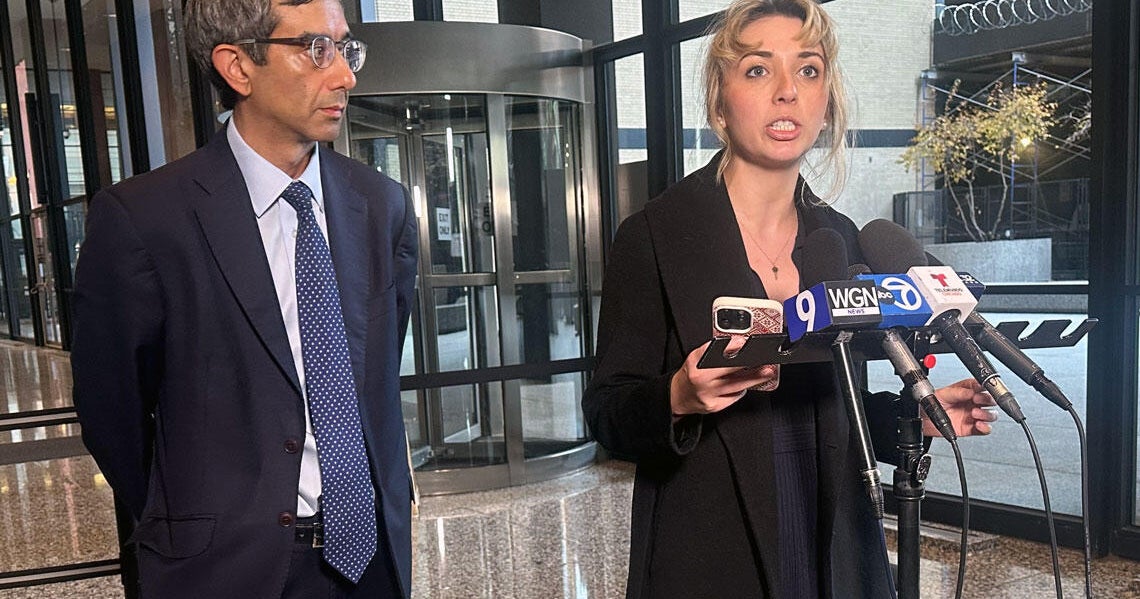
WJZ asked Maryland defense attorney Eric Bacaj if this process in the jury selection has been constitutional.
"The general questioning of the pool under Maryland law should be open to the public and the then Court of Appeals Supreme, now the Supreme Court of Maryland. Held in the Watters case that the denial of the public's right to be present during the generalized questioning and in that case, throughout the entirety of voir dire, was a reason to grant a new trial," Bacaj said. "Closing the courtroom for the second portion, which is that individualized questioning, which is often done with that white noise in the background so no one can hear anyway, I don't think closing the courtroom for that purpose would have any problems."
A statement from the head of government affairs for the Maryland Judiciary said that the courtroom was not closed to the media or public, but mostly due to safety concerns and overcapacity.
"The courtroom was, however, filled to capacity, and individuals were not allowed access to the courtroom due to safety and fire code concerns," the Maryland Judiciary said. "The Maryland Judiciary is currently working with the Circuit Court for Harford County to designate a space to accommodate media outlets. Challenges of space and resources, however, arise when working with smaller courthouses."
Jurors questioned
During the public portion of court proceedings Tuesday, nearly 63% of the potential jurors responded yes when asked if they had strong feelings about allegations of sexual assault, rape and murder.
They were also asked if they are comfortable viewing graphic images of the crime scene and evidence, and if they have any bias toward someone taking the stand who needs a language interpreter.