Baltimore woman says caregiver hid her father's death and stole his home

A Baltimore woman says a caregiver abused her father, stole tens of thousands of dollars, forced him to sign over his home and failed to tell her when he died.
Nora Rowland told WJZ that her father retired to South Carolina in 2013 and began using home care services in 2021 after suffering a traumatic brain injury and being diagnosed with Parkinson's disease.
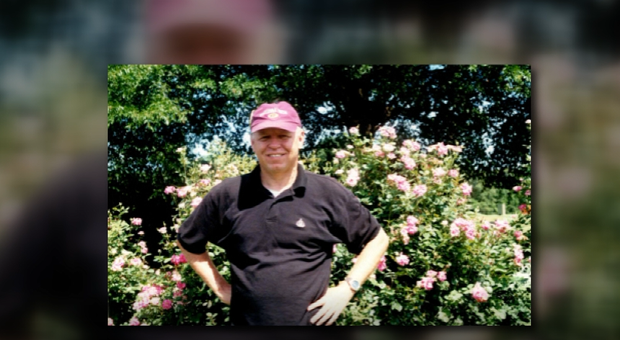
In 2024, he began working with a new caregiver from Griswold Home Care Services. Rowland said the caregiver defrauded her 75-year-old father. She accuses the caregiver, whom WJZ is not naming, of physically abusing her father and forcing him to sign over the deed to his $300,000 home.
Within three months, Rowland said, her father was dead, the house had been signed over and his money was gone.
"I keep wracking my brain like, how could I have prevented this? And I really can't imagine how I would have known," Rowland told WJZ.
Daughter wasn't told her father died
At the time, Rowland was preparing to move her father to Maryland, even setting up an in-law suite for him in Baltimore. He was using home care temporarily while she made preparations. She described him as "independent" and an avid golfer who only needed extra help with some daily tasks.
Rowland said she regularly spoke with her father, but their communication became less frequent. After not hearing from him on her birthday or Father's Day, she drove to South Carolina to check on him.
When she arrived, she learned her father had been dead for three days and that his home was no longer in his name.
"It was such a surreal moment," Rowland said.
Caregiver moved father into senior facility, daughter says
Rowland said the caregiver moved her father out of his home and into a senior living facility without her knowledge. She said the caregiver then moved into the home.
In body camera video shared with WJZ, neighbors confirmed that furniture and other belongings began moving into the home and said they had not seen Rowland's father.
While her father needed medical care, Rowland said she did not believe he was near death. Records from the senior living facility described him as "emaciated" and "hallucinating."
Rowland believes he was placed on and off hospice care and given different medications that affected his mental state.
"She had to pay for his food every day and she wasn't paying any of the bills, so they stopped giving him meals," Rowland said. "We hired her to care for him. We didn't hire her to steal from him and defraud him and kill him."
"He was also trying to reach out to me"
Rowland said medical records indicated her father may have been trying to contact her or other family members. Eventually, she said, he was confined to his bed at the senior living facility and restrained because he repeatedly tried to leave to get help.
"He was also trying to reach out to me. They have it documented in the records that he tried to get ahold of me, and they just said he was crazy because they believed what she was saying about him, which is really heartbreaking about all of this because he died alone," Rowland said.
Daughter alleges caregiver forced changes to deed
Rowland said two separate law firms handled changes to the deed on her father's home and his power of attorney. She does not believe he was in a clear state of mind when he signed the documents.
She accuses the caregiver of forcing her father to sign over the $300,000 home for just $5.
In addition to the home, Rowland said the caregiver stole about $27,000 from her father, including $14,000 in cash.
In legal limbo
Now, Rowland is in legal limbo. More than two years after her father's death, the caregiver is still living in the home, while Rowland continues to pay the property taxes.
Last year, a judge ordered the caregiver to take over the utility payments.
Rowland filed a civil complaint against the caregiver and is waiting for police in Horry County, South Carolina, to investigate. She said investigators only recently began working on the case.
She also said she still does not have all of her father's personal belongings, including his cellphone, valuable artwork and other heirlooms.
AARP Maryland recommends placing valuable assets and investments, including property, in a trust with a designated trustee. The organization says this can make it more difficult for property to be transferred.
AARP also recommends monitoring financial information, particularly when working with a home care company, and regularly checking in with a caregiver through both scheduled and unscheduled visits.
"Somebody in the family is going to be talking to you at least once a week or more, and there will be surprise calls. You better be available," said Karen Morgan, executive counsel for AARP Maryland. "[Set the expectation] before they are hired, and if they push back on that, you know that's not the right person for you."
Rowland hopes her story leads to more regulation of home care and senior living facilities.
"They can't keep getting away with this manipulation, fraud and theft. It is disgusting what is happening down there to seniors, vulnerable people who worked their whole lives and had wonderful careers helping other people, and to have it all be taken away is really awful," Rowland said.
Company responds with statement
WJZ reached out to the caregiver, but we have not heard back.
Griswold Home Care Services provided the following statement:
"The allegation described in recent reporting is serious and concerning. We were made aware of this allegation for the first time this past weekend, despite the events in question having allegedly taken place several years ago," a spokesperson for the company said.
The company confirmed the caregiver "was an independent Caregiver on the Griswold Care Pairing for Myrtle Beach registry and passed the required background check before joining the registry."
She was "referred by Griswold Care Pairing for Myrtle Beach to work with Mr. Rowland for a very brief period in 2024. Based on our records, at the time of the referenced events involving the power of attorney and property transfer, Mr. Rowland was no longer receiving services through Griswold Care Pairing for Myrtle Beach."
"As this matter involves private client information, we are limited in what we can share publicly. We have launched a thorough internal review to establish the facts and are not in a position to comment further until that review is complete," the statement continued. "The safety, dignity, and trust of the individuals and families we serve are central to Griswold Care Pairing for Myrtle Beach's mission. Griswold Care Pairing for Myrtle Beach does not condone abuse, exploitation, or inappropriate financial relationships between caregivers and the individuals in their care."


