"Nature's cleanup crew": Zoo Atlanta keep vulnerable vultures soaring

It's a world of excitement at Zoo Atlanta as tiny faces light up at lions, elephants, and rhinos, but there's a feathered resident at the zoo that deserves a second look.
Obsidian is the newest star at the zoo—a feature in the fantastic flights bird show where guests learn all about the scavenger.
"Obsidian is a black vulture," said bird trainer Becky Young. "They're native to North America, especially in Georgia."
Despite their slightly scary appearance, Young said that Obsidian and his species don't mean any harm to humans.
"They're just looking for some roadkill or something to eat," she said.
But not all types of vultures are soaring or eating with ease.
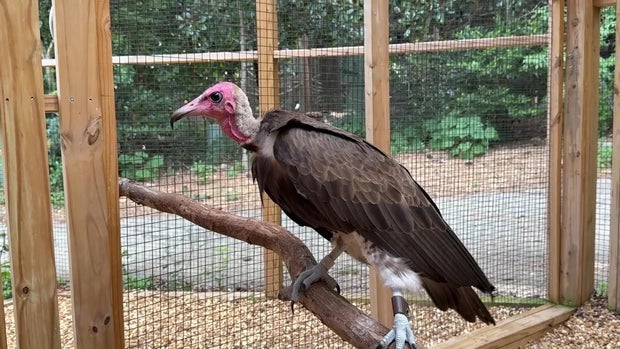
Lauren Wilson, the curator of birds at Zoo Atlanta, says the zoo is spending a lot of resources trying to protect African vultures, which are endangered.
"African vultures in general have lost 80% of their population in the past 30 years," Wilson said. "They are one of the most rapidly declining bird taxa in the world."
The zoo also features the lappet-faced vulture and hooded vulture, two species that are struggling to survive in the wild because of a loss of environment, human interaction, and poachers.
"Unfortunately, vultures, when they see a kill in the wild, they're gonna circle overhead," Young said. "That lets the game wardens know a poaching incident may have occurred, and so the poachers are actually poisoning their carcasses to kill off the vultures so that they can continue poaching."
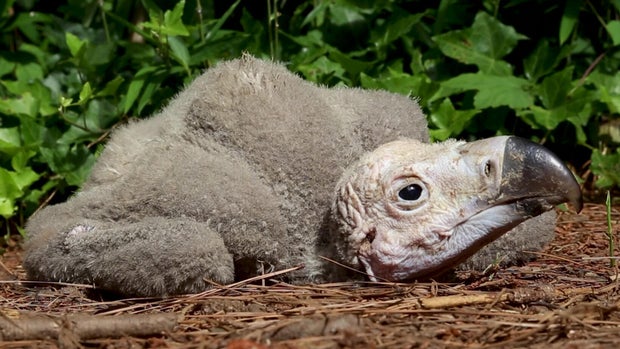
In the last few years, Zoo Atlanta has seen the birth of two lappet-faced chicks through its breeding program, but their biggest impact may come from visitors. A portion of every ticket to the zoo that's sold goes to Vulpro, an organization that rescues and rehabilitates Africa's vultures.
"Vultures are nature's cleanup crew and very important to the health of ecosystems," Wilson said. "Not only do they physically remove dead carcasses, but they also reduce the amount of harmful bacteria and germs and viruses in the environment, which actually keeps us healthy."
They're cleaning up our world in the wild and giving those at Zoo Atlanta a bird's eye view of a raptor that conservationists are desperately hoping to keep in flight.