Longtime activist remembers the movie theater police raid that birthed Atlanta's LGBTQ movement

Today, Atlanta's Ansley Mall shopping center is home to many stores and small businesses.
It's long gone now, but in 1969, there was a movie theater at the shopping center, the site of an event that some consider Atlanta's version of the raid that triggered the Stonewall riots in New York.
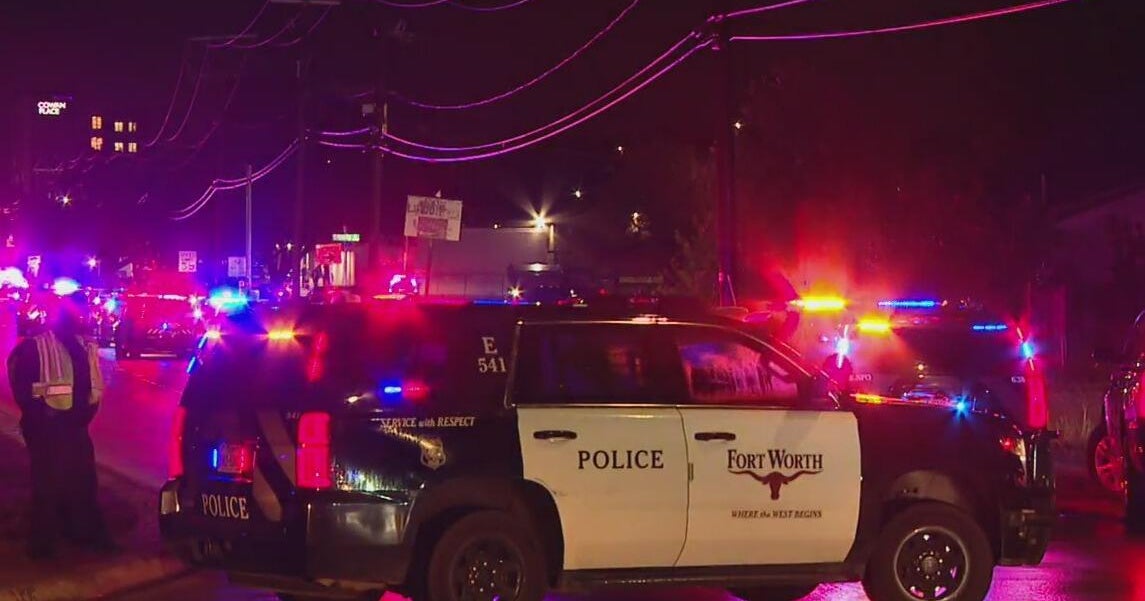
On the night of Aug. 5, 1969, officers with the Atlanta Police Department raided a screening of "Lonesome Cowboys." The event was a turning point for the city's LGBTQ community. Roughly 100 people were inside the theater that night. Now, only one known survivor remains, Abby Drue.
The police raid that triggered a movement
Drue and her friends were in Atlanta to watch the Andy Warhol film at the Ansley Mall Mini-Cinema, a theater known for screening what back then were called "alternative" movies.
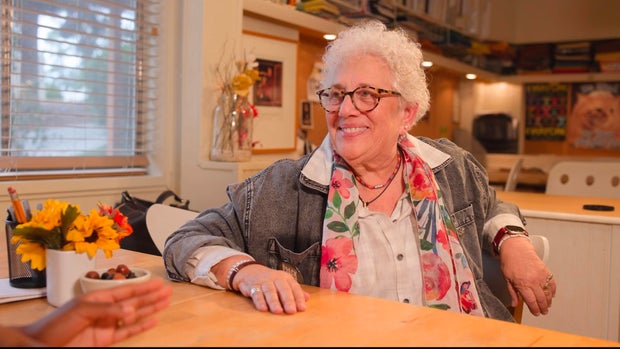
Things were going well, but what was supposed to be just a film screening quickly turned into something more serious.
"The lights going on and a whistle blowing, and I'm thinking, 'What's going on?' and this nice fella in front of me says, 'Girl, we're being raided.' I said 'Very funny.' He said, 'You can laugh, I'm leaving,' Drue said. "Over a couple of seats, there was a side entrance, and they ran. Most of them were gay men."
Officers lined the audience up along the wall, made them hand over their IDs, and frisked them.
"They put us up, and they had cameras and the 1969 style where the cameras with the flash bulbs. Pop! Pop! Pop! And they wanted to know where we lived," Drue said.
Drue and her friends had their photos taken that night. They were given court dates, but their records were eventually expunged. Many others were arrested, shamed, and even outed.
"It was outrageously unkind," Drue said. "Let's just say it was also just immensely cruel."
That night became the birth of a movement in Atlanta.
"It was the beginning of what would be the Gay Liberation Front," Drue said. "There was going to be a march, and by 71, I was here, and we marched on the sidewalk."
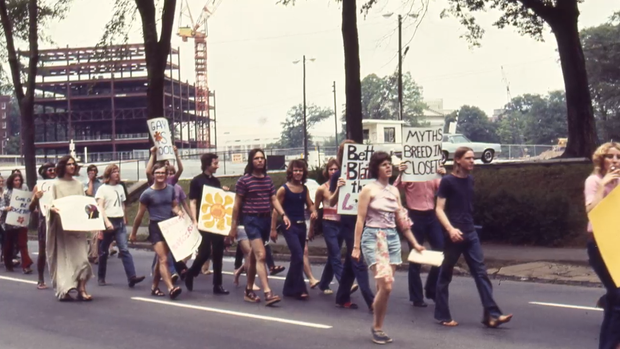
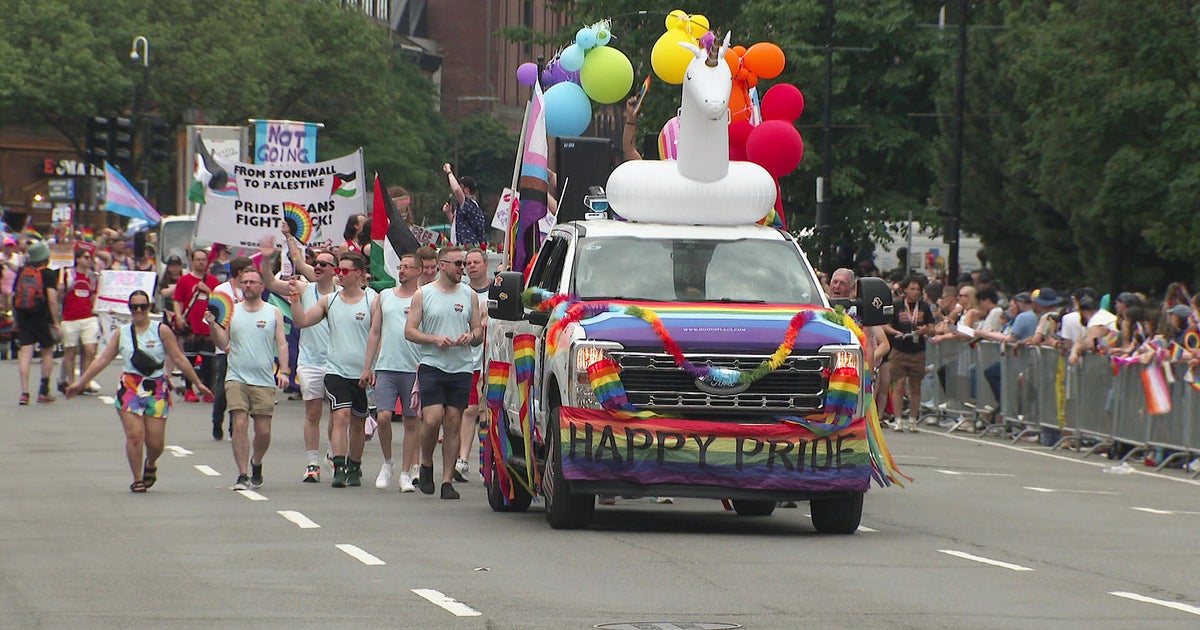
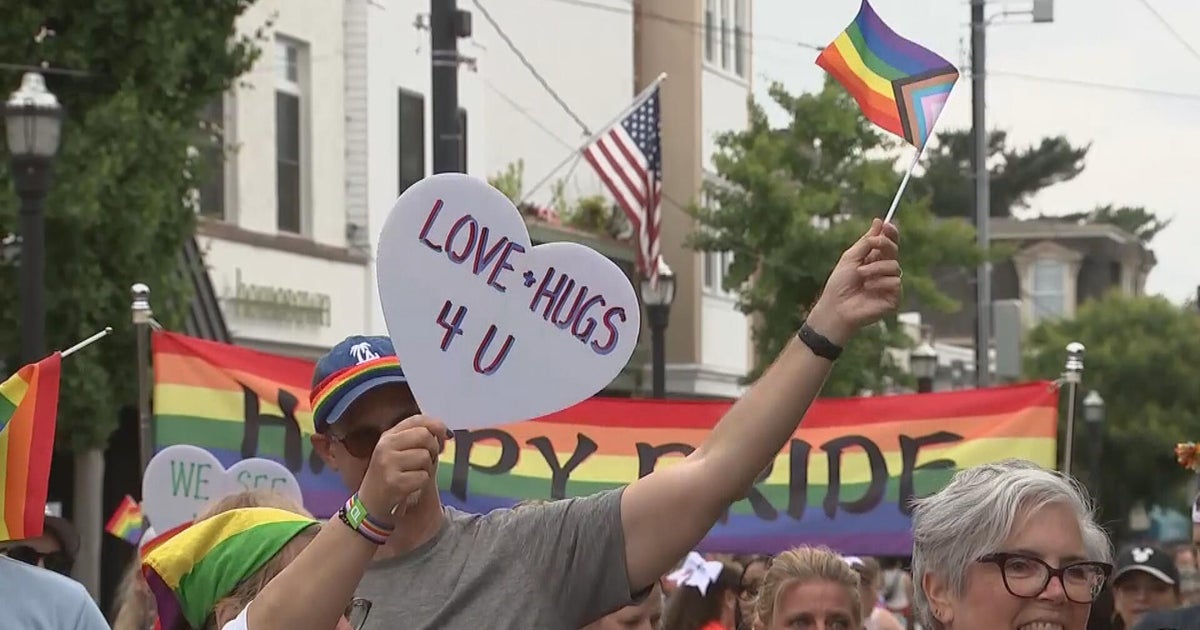
The protest March is considered the start of Atlanta Pride. The city didn't approve a parade permit, so marchers stayed on the sidewalk.
"Every time we got to the edge of the thing, if there was a red light we had to stop, and when it was green we would keep going," she said.
Collecting Atlanta's LGBTQ history
Inside the Atlanta History Center, records show what the resistance movement looked like.
"These are materials, photographs taken during the 1982 Pride March," explained Paul Crater, the center's vice president of collections and research services.
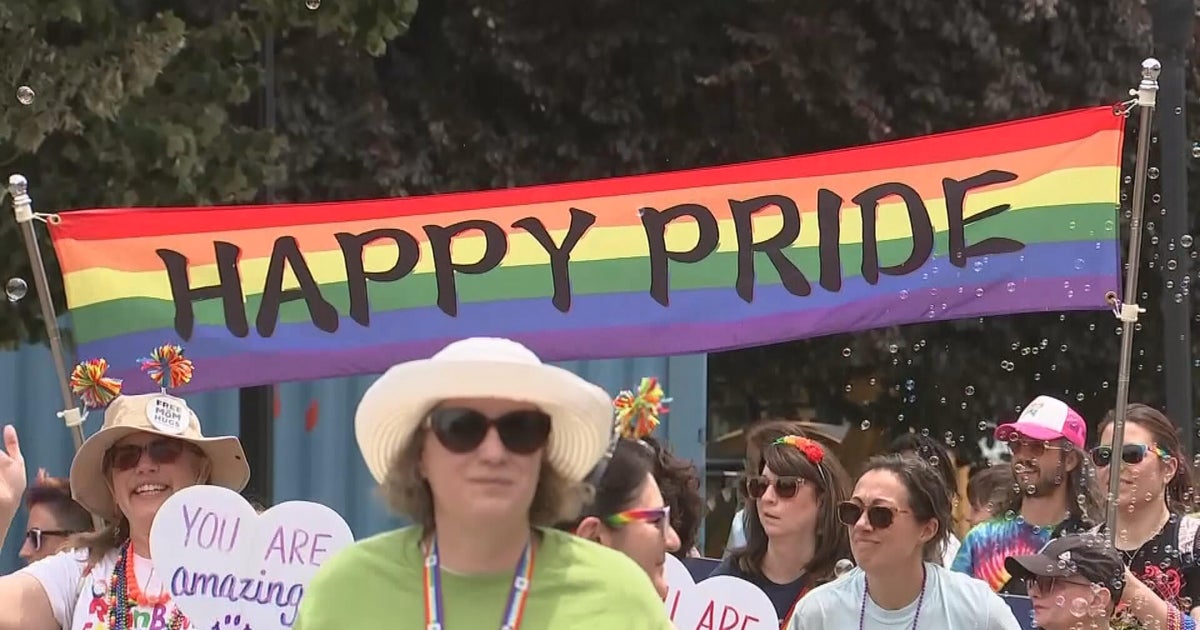
The first official Atlanta Pride happened in 1972. By the 80s, the AIDS epidemic turned Pride into a large-scale, city-wide event rooted in advocacy and resistance that continues to grow.
"The collection comes from everyday Atlantans and their photographs and their memories," Crater said. "That's what I think is important to know is that people create their own history."
Drue hasn't missed an Atlanta Pride. She will take you by the hand to tell you about it and show you the site of The Ben Marion Institute for Social Justice, the nonprofit she's been running for over 20 years, dedicated to equity in education.
Drue committed her life to activism before the "Lonesome Cowboys" police raid, but that cemented who she was always meant to be.
"I care in general about people being able to know that they are enough and they have all it takes," she said.
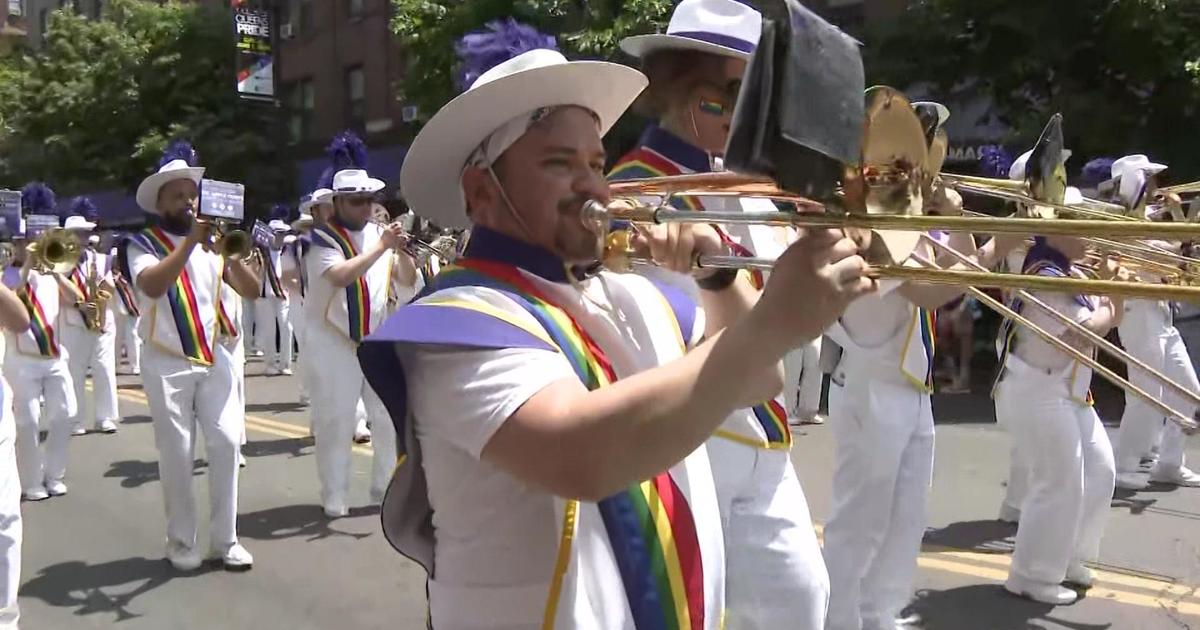
This year's Pride Parade kicks off at noon on Sunday from the Civic Center MARTA station, travels up Peachtree Street, and ends at Piedmont Park.