Georgia prosecutor says Trump's bid for millions in legal fees under new state law is likely unconstitutional

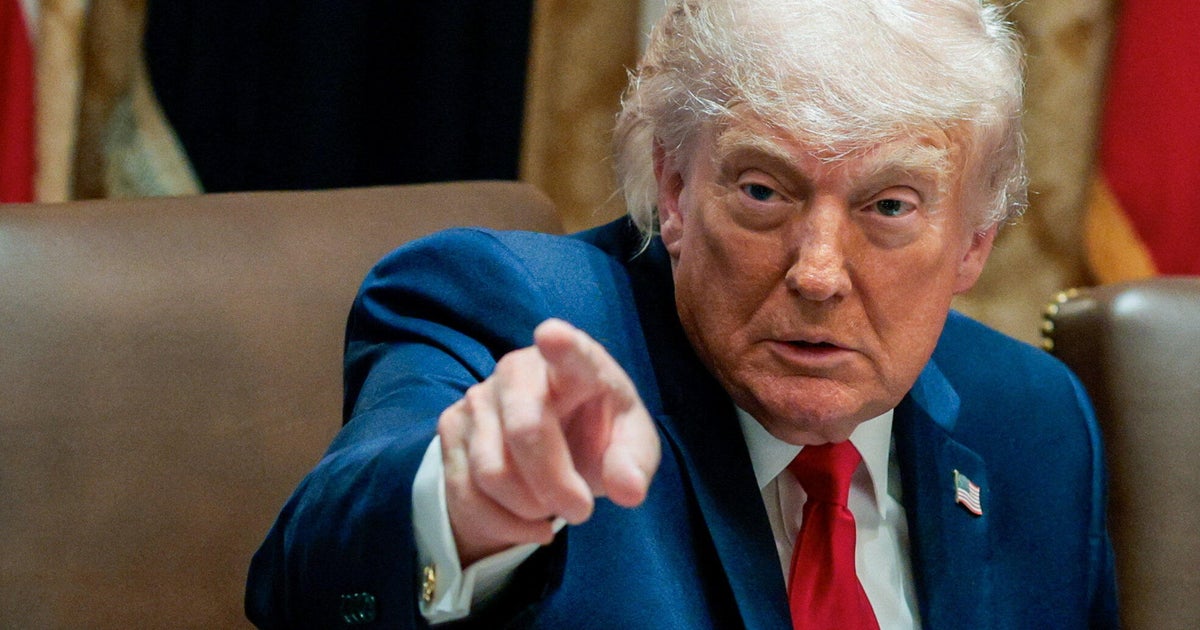
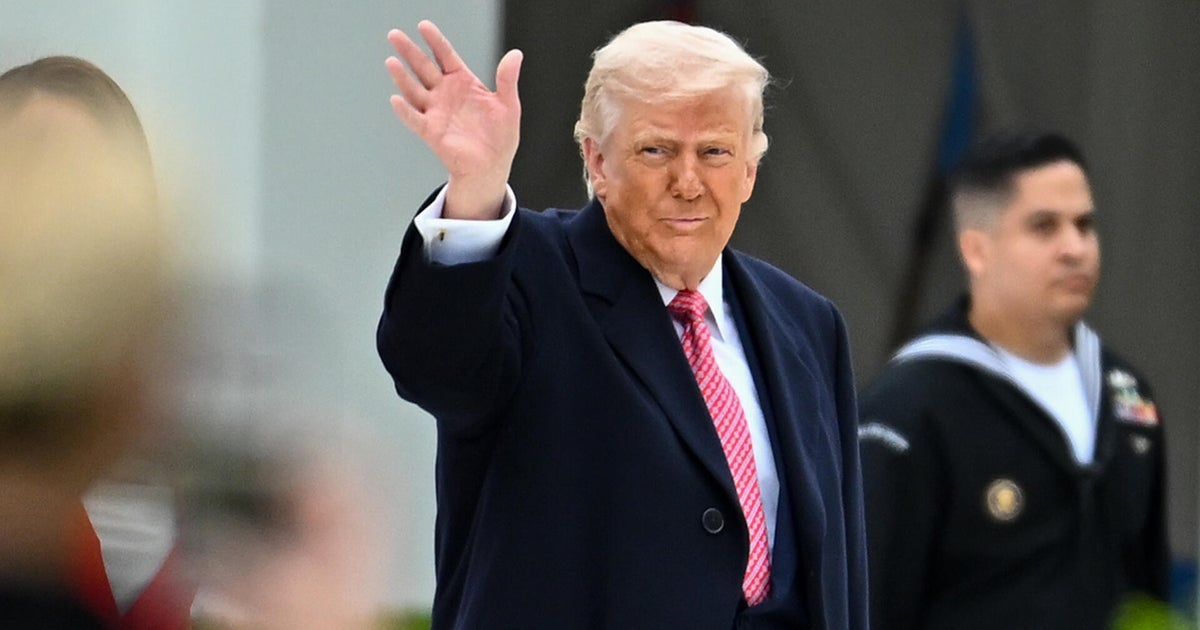
A new legal battle is brewing over who should pay the multimillion-dollar tab for the now-dismissed election interference case against former President Donald Trump and several co-defendants. And according to the veteran prosecutor put in charge of the case, the answer should not be Fulton County taxpayers.
In a sharply worded court filing this week, Georgia Prosecuting Attorneys' Council Executive Director Pete Skandalakis said the new state law being used by Trump to demand more than $6.2 million in attorney fees is "seriously and potentially unconstitutional."
The total amount sought by all defendants is nearly $17 million, a staggering sum for any local government budget to absorb.
Skandalakis' argument centers on the law's design: Georgia lawmakers last year created a pathway for defendants to recover legal costs if a prosecutor is disqualified for improper conduct and the case is ultimately dismissed. But he says the law fails to provide any due process protections for county governments that would be forced to foot the bill.

"A due-process problem — and a big one," the filing says
In his comments, Skandalakis wrote that the statute leaves counties "politically and practically separate" from the actions of an elected district attorney, yet still responsible for paying judgments they cannot contest.
That, he argues, violates both the Georgia and U.S. constitutions.
He also says the law hinges on a key requirement: that the prosecutor be disqualified for improper conduct. But in this case — involving Fulton County District Attorney Fani Willis — the Georgia Court of Appeals found only an "appearance of impropriety," stemming from a romantic relationship Willis had with Nathan Wade, the special prosecutor she hired to lead the case.
In summary, Skandalakis says they would have to find that "an appearance" is the same as a completed act.
How we got here: A case dismissed and a county caught in the middle
The legal back-and-forth comes more than a year after Willis secured a sweeping RICO indictment against Trump and 18 other defendants, alleging a coordinated effort to overturn the 2020 election results.
After months of political tension, public scrutiny and court hearings centered on the Willis-Wade relationship, the Georgia Court of Appeals removed Willis from the case in December 2024.
Skandalakis took over soon after and dismissed the case in November, citing the appellate ruling and structural limitations of the special-prosecutor process.
The fallout continues.
Trump's legal team: "Simply wrong"
Trump's lead attorney in Georgia, Steve Sadow, pushed back in a statement, saying the law is constitutional and Skandalakis' critique is "simply wrong."
The statute's defenders argue that taxpayers should not be forced to underwrite prosecutions tainted by wrongdoing — or even the appearance of it.
Skandalakis, meanwhile, warns that the hourly rates being requested by defense attorneys far surpass what Georgia typically pays when appointing conflict counsel. He pointed to standard rates of $66.57 and $125 per hour, describing those as more reasonable benchmarks.
What Fulton County residents want to know
For many Fulton County residents, the legal filing revives questions that have been asked for months:
Who is responsible for this case's price tag?
What happens to the county budget if the court orders reimbursement?
And how does a case about election interference end with taxpayers potentially paying the defense lawyers?
The Georgia legislature's intent may now collide with constitutional limits — and the bills, if awarded, would land directly on local governments already stretched by public safety, schools, and infrastructure costs.
For now, the legal and political stakes remain high. The judge overseeing the matter will ultimately decide what — if anything — taxpayers owe.