Conference offers safe space for gay men to unpack the stigmas, challenges of adoption and surrogacy
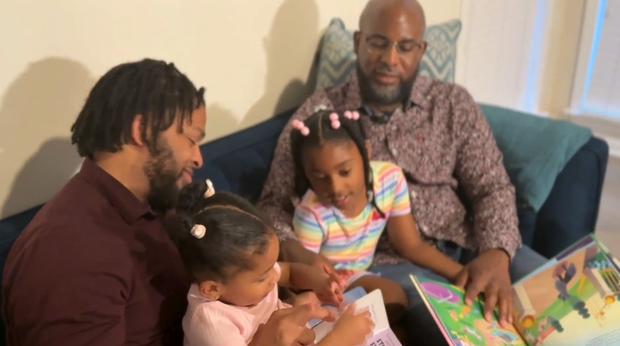
Dr. Algernon Cargill and Ronaldo Coxson say they were split on whether to have children when they first met. But after they fell in love and got married, they decided that becoming parents was the next step.
"We ultimately chose surrogacy because we wanted to have a biological connection to our kids," Cargill said. "[A]nd we also heard some horror stories of families being placed with a foster family and then losing on the placement later on..."
The two say it was a rewarding experience. They now have two daughters, Elle, 7, and Grace, 2. They also have great relationships with their egg donor and surrogates. But they say that as a gay couple, the process was challenging and expensive. Cargill says they weren't able to take advantage of certain forms of support that are more readily available to heterosexual couples and women looking to get pregnant.
"Employers and employer-sponsored health plans do cover some healthcare costs for couples suffering from infertility; that doesn't necessarily apply to us," Cargill said. "And so we had to purchase an insurance plan through the market and then use that to cover some of the healthcare costs of surrogacy."
In an effort to help other men interested in surrogacy, Dr. Cargill and Coxson have opened up about their journey alongside family planning experts at the Men Having Babies Conference in downtown Atlanta. The couple appeared last year, but the conference was held in the city again in June. Organizers say their goal is to create a safe space for gay men to unpack the stigmas and challenges they face while trying to become parents. They are also working to spread awareness about the resources available to community members looking to expand their families.
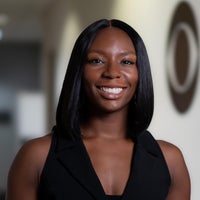
Tim'm West, the executive director of the Rustin Institute for Leadership Development, was a panelist during this year's conference and is a friend to Cargill and Coxson.
"We hear it takes a village all the time," West said. "Well, it also takes a village for gay men that are exploring, bringing families into the world and who don't want that negative stigma or the pushback…"
West says it's important for friends, loved ones and allies to show support however they can.
"We use in the LGBTQ community all the time, 'chosen family,' 'found family,'" he said. "Well, I think surrogacy is just something that expands that notion and sort of brings it to bear in terms of - 'who's going to be the family to these children that we bring into the world."
Dr. Lauren Berman, a psychologist specializing in family planning with the Fertile Ground Psychology Group, was also on the panel.
"When people don't understand that there are rigorous screening processes and very significant education, that there is informed consent, and that there is implications counseling, they misconstrue the idea of surrogacy, that surrogacy is exploitative of women," Berman said.
She says unpacking misconceptions is important for helping people decide if surrogacy is right for them and their families.
"When standards are used and applied, it is a safe and actually a really loving and exciting process. And I meet a lot of surrogates and a lot of intended parents who end up just adoring each other and feeling very excited about the journey that they've been through together," Berman said.
Coxson says he put effort into fostering good relationships with their daughters' surrogates.
"It took me really good communication, I'll tell you that," Coxson said. "Because you have to talk to someone else and take in their journey as a part of your own, and it becomes a collaborative effort. So if you're a control freak, surrogacy is not the way to go."
Cargill says he and his husband will give their daughters more details about how they came into the world as they get older.
Until then, the couple says they tell their daughters they're special—and were created with love and care.


