Colin Gray, father of Apalachee High School shooter, files motion asking for new trial
Colin Gray, the Georgia father convicted for his role in the deadly shooting at Apalachee High School, is asking for a new trial.
The new motion filed by Colin Gray's attorneys comes less than a week after the Georgia man was sentenced to 15 years in prison.
In March, a jury convicted Colin Gray on 27 charges, including second-degree murder, involuntary manslaughter and cruelty to children. Prosecutors argued he provided the rifle used in the shooting despite repeated warning signs from his son, Colt Gray, about his declining mental health and obsession with school shooters.
In the motion, which was filed on Wednesday, Gray and his attorneys argued that he should receive a new trial "because the verdict is contrary to evidence and without evidence to support it." The attorneys also argue that the verdict was "strongly against the weight of the evidence" and "contrary to law and the principles of justice and equity."
Colt Gray pleaded guilty to 55 charges, including murder, in the school shooting that killed two students and two teachers. He was sentenced to life in prison without parole days before his father's sentencing hearing.
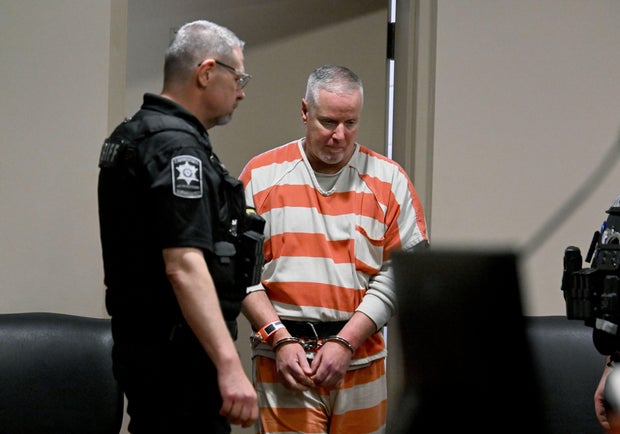
An unusual case for Georgia
Colin Gray is one of only a few parents who faced charges in connection with a mass shooting that their children allegedly committed. He's the first such case in Georgia.
Prosecutors had asked the judge to sentence Colin Gray to 80 years in prison, while the defense argued that he should serve 10 years, saying that Colt Gray hid his true intentions from his father.
Judge Nicholas Primm, who sentenced both the father and son, was blunt in addressing the elder Gray.
"It is clear you failed as a parent," Primm said. "You didn't get him mental health counseling when it was obvious he needed some. None of those failures helped your case, but those aren't why you were convicted. You were convicted because the warning lights were flashing brighter and brighter and you didn't get him help."
However, Primm said punishing crimes of negligence is particularly difficult because there was no intent to commit a crime.
"My heart aches for everyone that was there that day, for all of you that have been impacted by it. But the law requires that I set aside emotion. I don't get to sentence with passion. I have the nearly impossible task of sentencing you without passion despite the immeasurable heartache that you caused," he said.
The judge called these cases "divisive." There would have been no crime by the father if the son hadn't brought a gun to school and shot people, he noted. But he said Colin Gray could have locked up the guns, kept ammunition out of the house, had someone else keep the guns and gotten his son counseling.


