Atlanta woman shares her story of finding the perfect kidney donor match
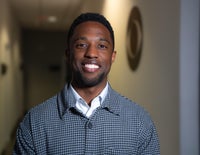
Shardae Orr said her life began to drastically change in 2016, at the age of 28, when she started experiencing issues like blood in her urine and other discomforts that led her to get checked by a doctor.
"From there I started having migraines, very high blood pressure. I did not know it at the time but extreme fatigue which was a symptom of being anemic and things of that nature," Orr said.
During that initial visit, Orr claimed she was diagnosed and treated for a urinary tract infection (UTI).
From 2016-2019, Orr said she had to make several trips to the doctor due to ongoing symptoms she was experiencing and the increased severity of what she was going through.
"I went to the doctors again. I was having migraines to the point where I was blacking out. I sporadically had blood in my urine again, and when I went that time I was also told I had a UTI."
Dr. Sharad Vermani, a nephrologist with Georgia Nephrology and nephrology specialists with Emory Healthcare said family history should always be considered when making a medical diagnosis, and if symptoms following a UTI diagnosis continued, more tests should've been administered the right away.
Dr. Vermani is unrelated to Orr's case or multiple doctor visits.
Dr. Vermani said these extra tests are worth the cost to avoid future costs associated with kidney disease. He said insurance will likely cover extra screenings if there are risk factors involved.
During a visit in 2019, Orr said her mom told her to ask for a renal panel, one of those screenings needed to detect additional issues.
"That was the day that I found out I was in Stage 4 renal failure with polycystic kidney disease," Orr said.
Orr said she has a family history of kidney disease, something she said was well-documented in her records that doctors missed and misdiagnosed over the years.
"The alternatives were dialysis or death, that without your kidney's functioning to cleanse your blood that death was a real possibility and that was really scary for me," Orr said. "We [Orr and her husband] started having conversations around like what we would do if something happened to me and all of those different types of things, but I did not want to live a life on dialysis."
Orr said she and her husband traveled and lived life to the fullest after having very serious conversations around planning in the case of her death.
Several family members and friends went through the testing process, but none of them were a match.
Orr's husband, Emmett Orr, said he decided to get tested after everyone else came back negative. Turns out, he was his wife's match in more ways than one.
"I said alright, well save me for last," Orr said. "I watched my wife suffer for years, so I was more happy and relieved that she would have a second chance at life and that we would have a second chance at life to be able to start a family and our journey all over again. From the day of the transplant til now, it's like everything changed in an instant. Her face started to fill in, she started gaining more weight, she didn't look as tired and fatigued."
Both joked that the kidney is now being cared for better in the recipient than the time it spent with the donor, and that hypothetically if a divorce happened that Emmett would not be getting the kidney back.
"I also think for us it helped to spark a question in a lot of marriages; like would you give your organ for your spouse," Emmett said. "Like how deep is your love for your spouse?"
"You're going to capture potentially people who are under diagnosed or un diagnosed because chronic kidney disease is not manifested until at times you have symptoms," Dr. Vermani said.
"Urine Albumin-Creatinine Ratio is something we're striving everyone to screen for, particularly in the African-American community where there are genetic pre-dispositions that are really creating a disparity. Patients are not being treated on time and they're very much so, underdiagnosed."
More information about kidney disease can be found here.
The National Kidney Foundation will also be hosting its annual walk next month.


