Atlanta students reflect on Jesse Jackson's legacy and what comes next for the civil rights movement
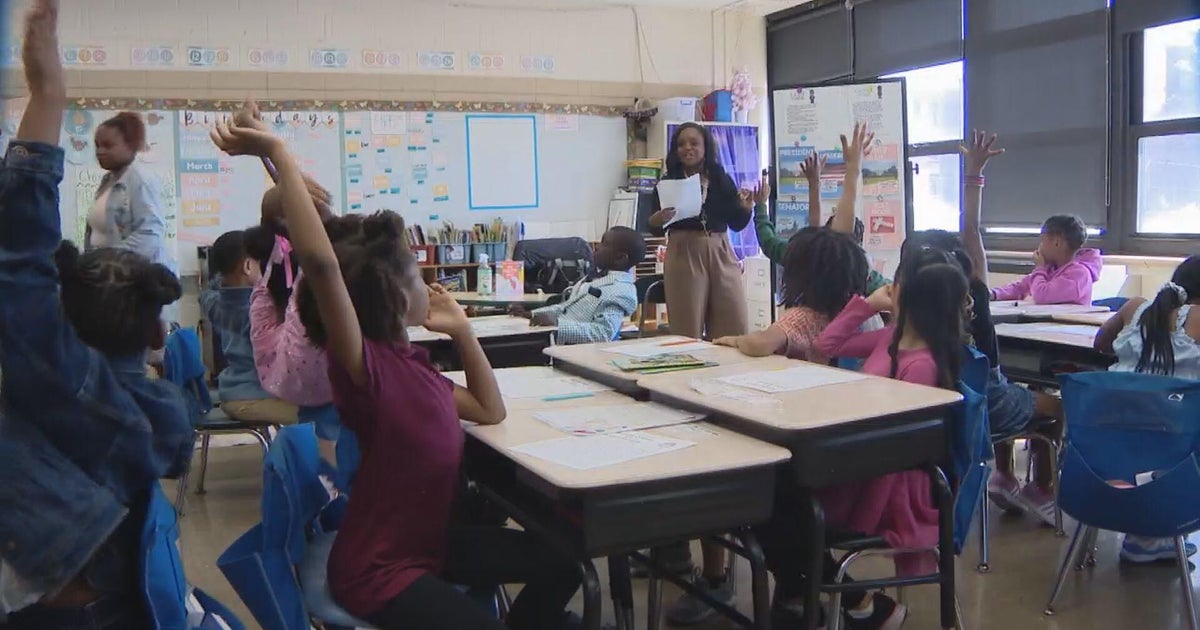
As the nation reflects on the life and legacy of the Rev. Jesse Jackson, educators and students in Atlanta say his passing is also a moment to look forward and to ask who will carry the civil rights movement into its next chapter.
Jackson was a towering figure in American civil rights history, and he was deeply shaped by student activism himself. That connection, educators say, remains just as relevant today.
At Spelman College, documentary filmmaker and professor Shola Lynch says students have always been central to civil rights movements, including during Jackson's early years.
"Students have been involved in civil rights from the very beginning," Lynch said. "And in fact, Rev. Jesse Jackson was involved as a student."
Lynch said Jackson saw the movement unfolding around him and felt compelled to act.
"He saw the movement and said, 'This is not academic. I need to be there,'" she said. "And he showed up."
Lynch, who has spent several years working on a documentary about Jackson with his family, said his death should serve as a reminder that civil rights progress depends on continued engagement, especially from young people.
"The civil rights movement is not an academic thing," she said. "If our young people are not engaged, if they are not showing up, if they are not protecting their rights, that means we will start losing them."
That message resonates with students like Jamarcus Jacobs, vice president of the Student Government Association at Georgia State University, who says Jackson's legacy helped create the opportunities he walks into today.
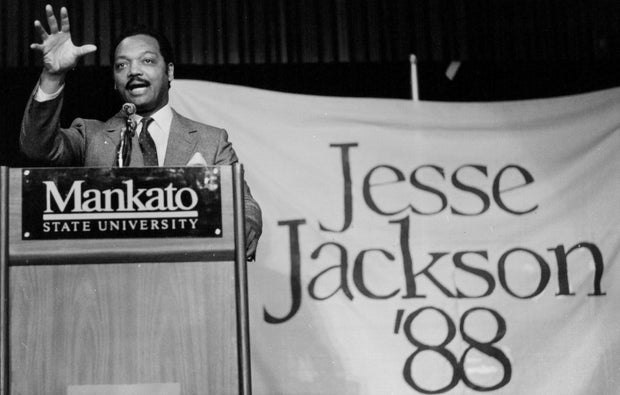
"Knowing the history of Rev. Jesse Jackson and seeing all the things that he's done throughout his life — I know he ran for president twice in the 1980s," Jacobs said. "That right there was a milestone … paving that way for younger people such as myself."
Jacobs said the responsibility now falls on his generation to stay engaged, particularly through voting and civic participation.
"I would say just participating in voting," he said. "I believe a lot of my generation - they feel unmotivated. And I believe this is our time to step in and really lead the way when it comes to voting and issues that matter."
As pictures of Jackson's life circulate once more from historic marches to moments of political influence, educators say the takeaway is not just remembrance, but responsibility.
"The legacy he leaves behind would be a legacy of hope," Jacobs said.
In Atlanta's college campuses and classrooms, that hope now rests with students deciding how they will carry the movement forward.