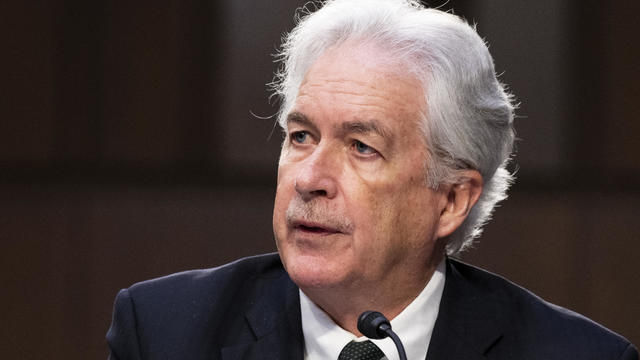
Putin "doesn't believe he can afford to lose," CIA director says
But there's no indication the Russian president is preparing for imminent use of nuclear weapons, William Burns said.
Watch CBS News

But there's no indication the Russian president is preparing for imminent use of nuclear weapons, William Burns said.
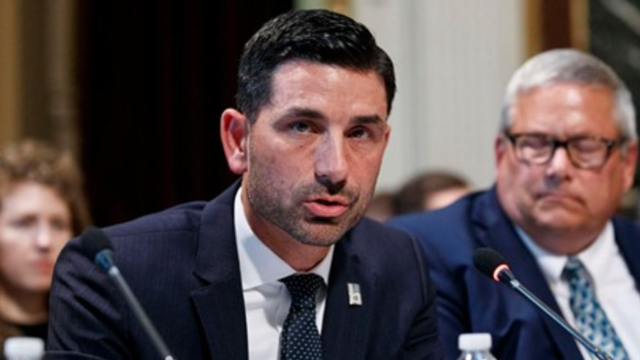
Chad Wolf's actions led to the perception that unorthodox interference by a top DHS official was intended to help Donald Trump's re-election bid.

The CIA on Monday released text-only instructions in Russian on several of its social media channels, including YouTube, Facebook and Instagram, for accessing its dark web site.
He called Putin an "apostle of payback" whose appetite for risk has grown as his circle of trusted advisers has shrunk over the years.
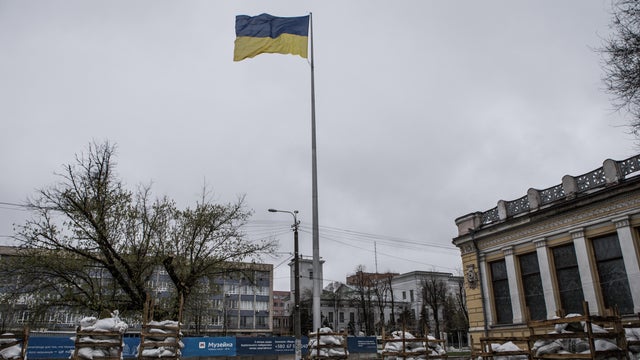
The latest package will contain new capabilities for Ukraine including artillery systems, artillery rounds and armored personnel carriers.
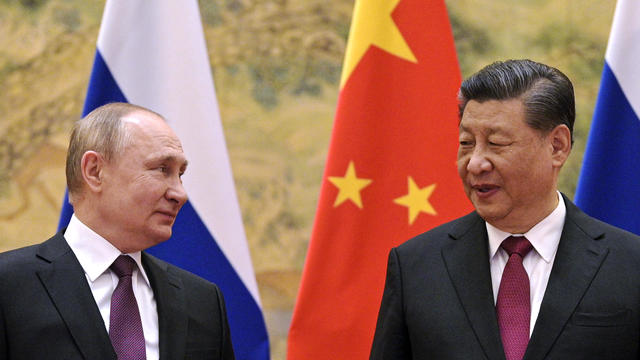
The request included military aid and equipment, according to the officials.
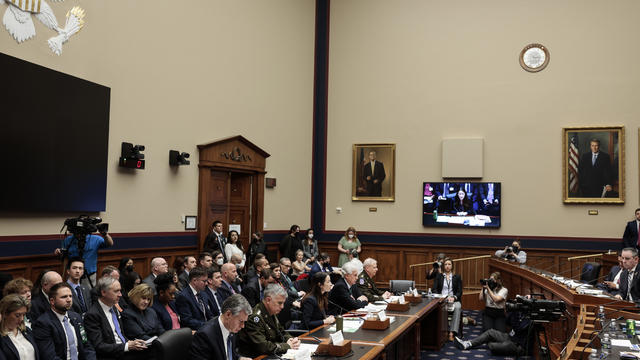
An "aggrieved" Putin likely "perceives this as a war he cannot afford to lose," said director of national intelligence Avril Haines.
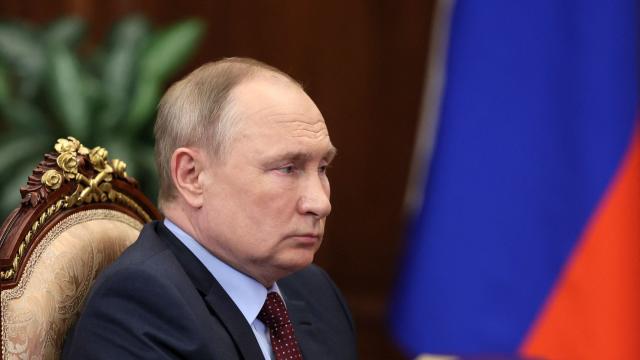
Observers have noted that Putin has appeared uncharacteristically agitated, delivering meandering screeds and publicly lashing out at his aides.

"The recent attack on a synagogue in Colleyville, Texas highlights the continuing threat of violence based upon racial or religious motivations," the department warned.
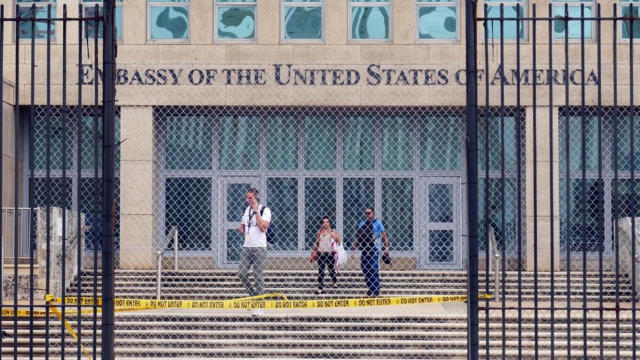
A declassified summary of an expert panel's findings found that the mysterious neurological condition may be "plausibly" explained by pulsed, electromagnetic energy.
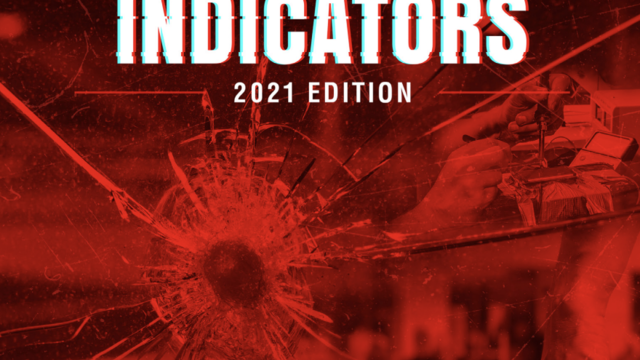
The FBI, Department of Homeland Security and the National Counterterrorism Center have published a resource designed to help the public spot "ideologically motivated U.S. based violent extremists."

Two of the four are currently members of the Ukrainian parliament. The U.S. has also authorized third-party weapons transfers to Ukraine.

Two dozen cases remain "unresolved" and will be the focus of "active and intense investigation," a senior CIA official said.
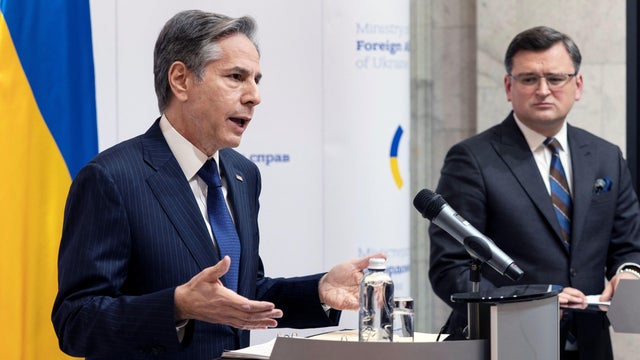
Blinken's visit to Kyiv is the first of three stops in a last-minute diplomatic push to urge Moscow not to attack Ukraine.

U.S. officials warned Tuesday that Russia could launch an attack at any point.