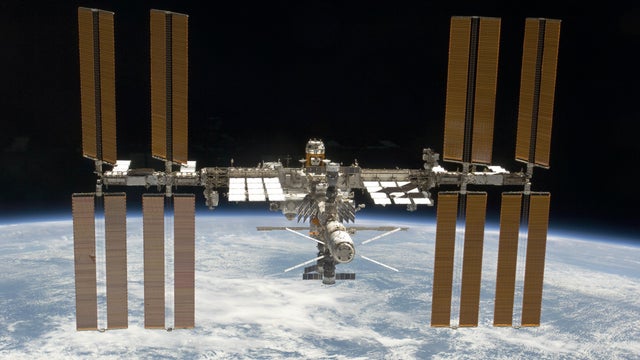
NASA considers bringing space crew home due to medical issue
NASA said the unidentified astronaut is "stable," but the agency is considering all options, including a possible early return to Earth for Crew 11
Watch CBS News
NASA said the unidentified astronaut is "stable," but the agency is considering all options, including a possible early return to Earth for Crew 11
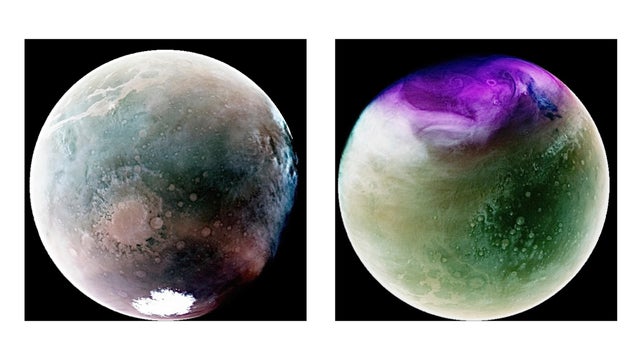
NASA has lost contact with a spacecraft that's been orbiting Mars for more than a decade.
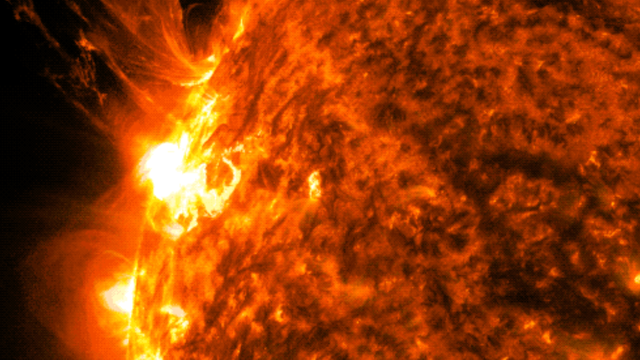
Solar flares and other activity can disrupt radio communications, power grids and navigation signals, according to NASA.

A severe geomagnetic storm could cause widespread disruption to infrastructure technology and make northern lights visible for much of the northern half of the U.S.
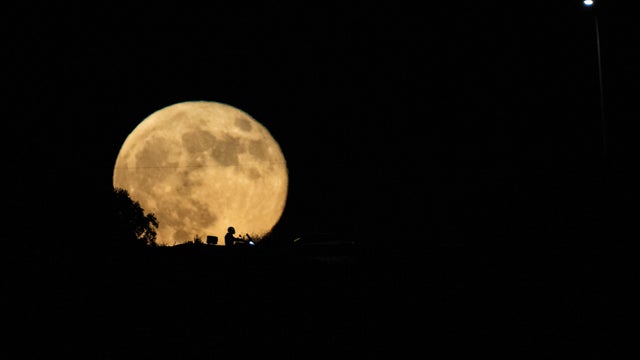
The first supermoon of 2025 will arrive soon. Here's what to know about the phenomenon.
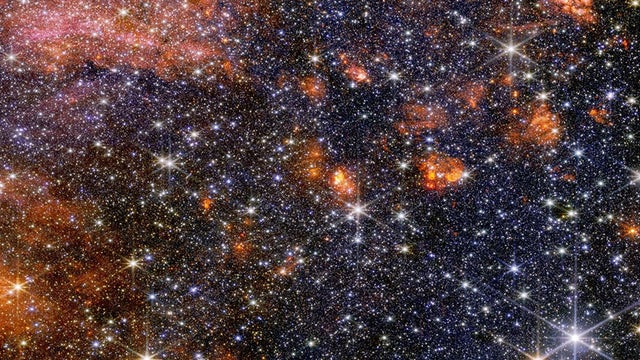
Sagittarius B2, a massive molecular cloud near the center of the Milky Way, is densely packed with stars and complex magnetic fields.
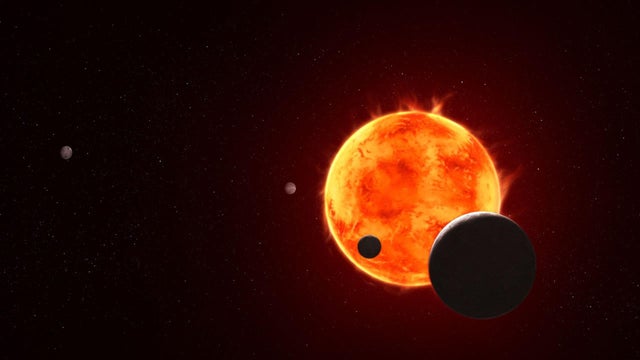
Exoplanet TRAPPIST-1 e may contain an atmosphere and liquid water, NASA scientists said. Research into the exoplanet is ongoing.
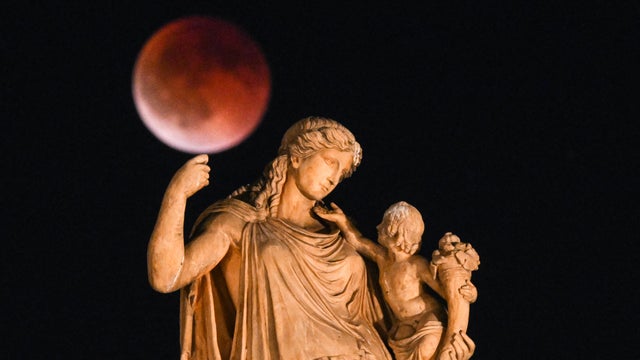
A blood moon rose in the night sky this week, offering a dazzling celestial event for people across multiple continents.
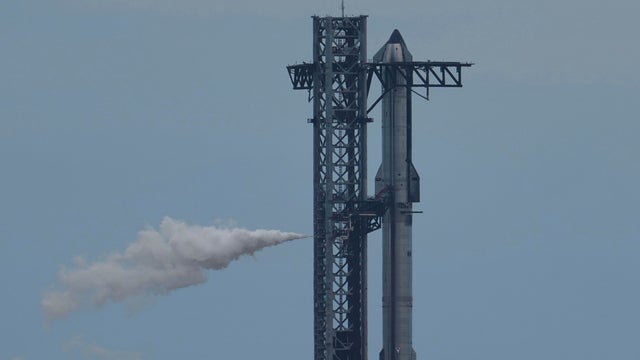
SpaceX hopes to pick up the pace with Super Heavy-Starship test flights amid concern the rocket may not be ready in time for a planned 2027 moon landing.
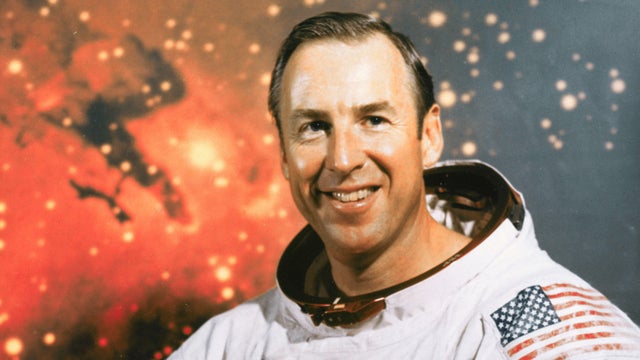
Astronaut Jim Lovell circled the moon on Apollo 8 and helped bring Apollo 13 home safely despite a mishap far from Earth.
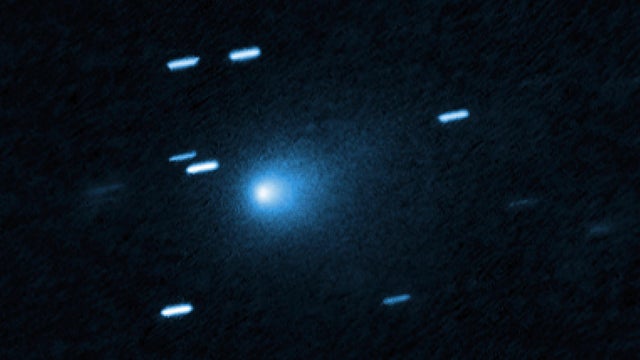
Discovered last month by a telescope in Chile, the comet known as 3I-Atlas is only the third known interstellar object to pass our way.
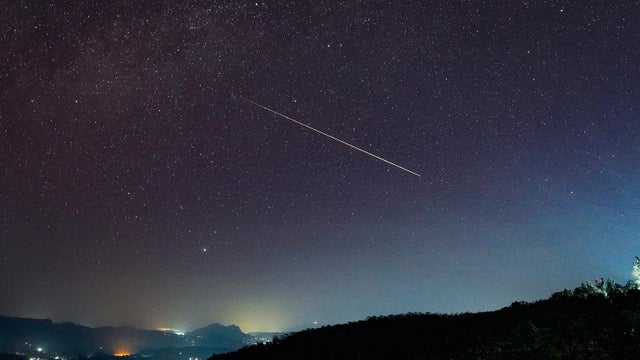
The Perseids meteor shower begins this week and is expected to offer one of the best astronomy shows of 2025.

It was the fourth private astronaut mission funded by Houston-based Axiom Space and the second commanded by veteran astronaut Peggy Whitson.
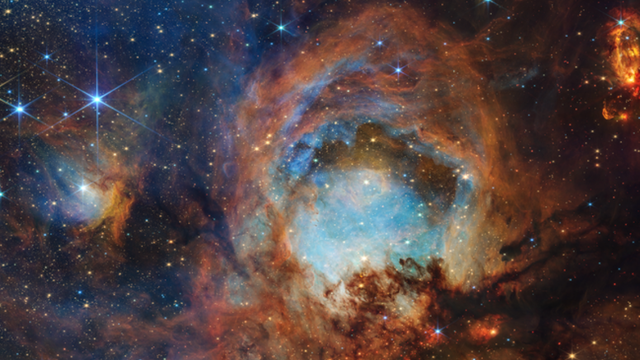
The Cat's Paw Nebula is about 4,000 light-years from Earth, near the constellation Scorpius.
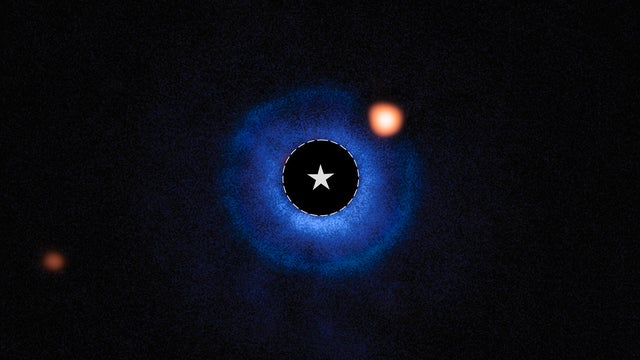
The exoplanet, a planet beyond our solar system, has been dubbed TWA 7b after NASA's James Webb Space Telescope captured evidence of it.