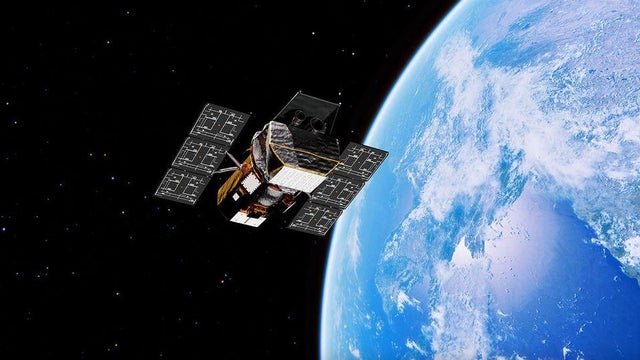
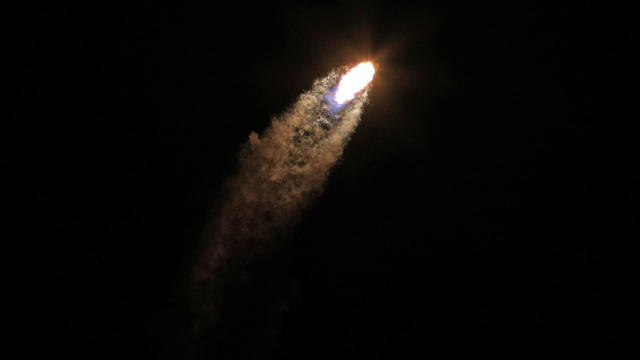
In launch doubleheader, SpaceX puts spaceplane and Starlinks in orbit
SpaceX launches two rockets less than three hours apart to put a military spaceplane and 23 more Starlink internet satellites into orbit.
Watch CBS News
SpaceX launches two rockets less than three hours apart to put a military spaceplane and 23 more Starlink internet satellites into orbit.
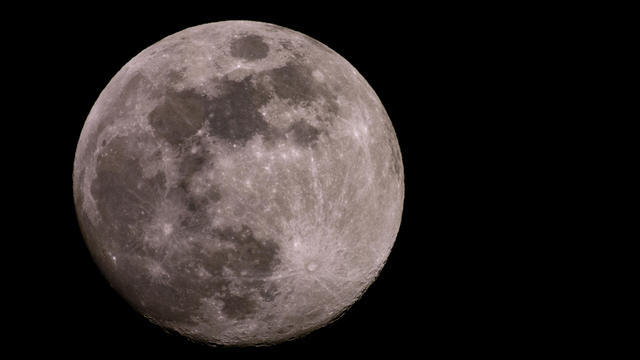
December's full moon, also known as the Cold Moon and Long Night Moon, will reach peak illumination on Tuesday at 7:33 p.m. ET.
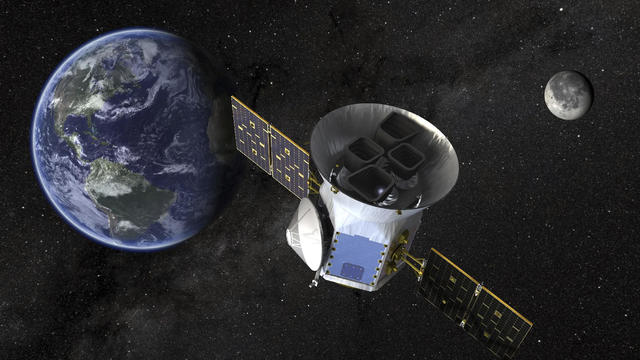
Astronomers have discovered six planets orbiting a bright, nearby star in perfect synchrony like a grand cosmic orchestra.
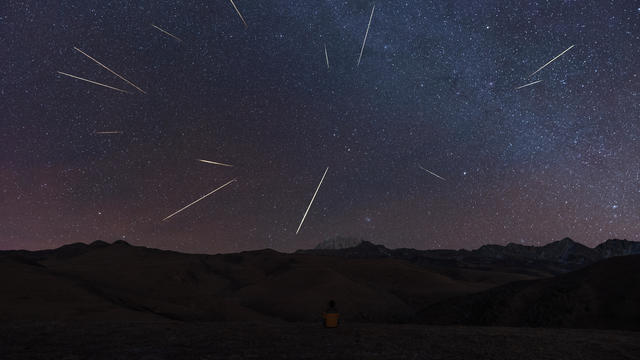
The Geminids, one of the best and most reliable meteor showers of the year, is peaking tonight. Here's when and where stargazers can see the meteor shower.
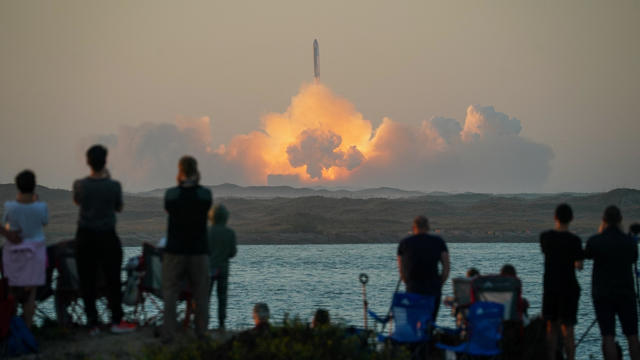
Seven months after a catastrophic failure, SpaceX launched its Super Heavy-Starship, the most powerful rocket ever built, but once again ran into problems.
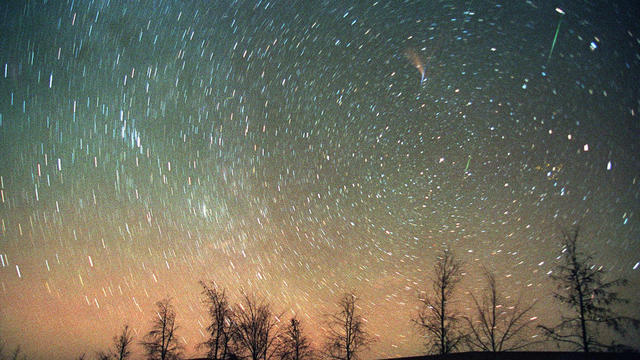
The Leonid meteor showers are fast – streaking by at 44 miles per second, according to NASA. Still, some stargazers can see them at their peak this week.

You can track where the tool bag is in its orbit around Earth.

Frank Borman flew on the Apollo 8 mission, the first NASA mission to leave low Earth orbit and reach the moon.
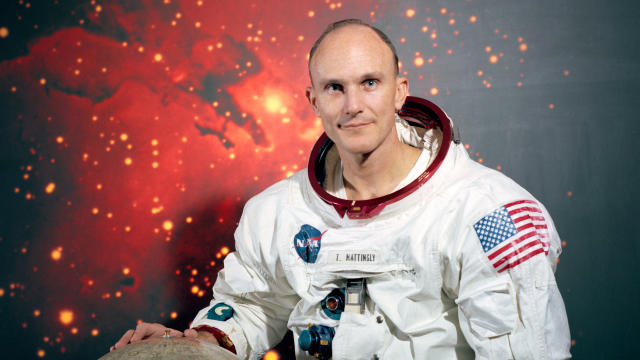
Mattingly was also known for being removed from the ill-fated Apollo 13 crew 72 hours before its scheduled launch.
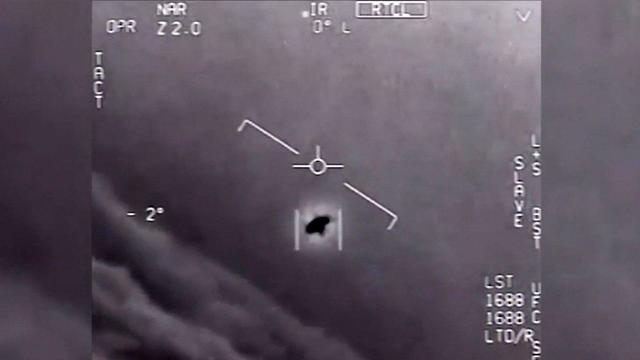
The Pentagon has launched a digital form for current or former government employees, contractors or service members to report U.S. government programs or activities related to UAPs.
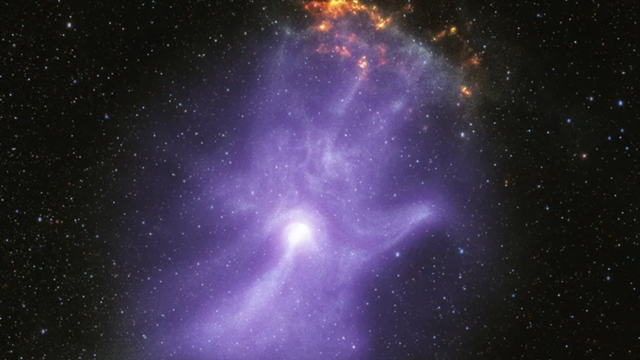
NASA's Imaging X-Ray Polarimetry Explorer telescope studied the nebula for about 17 days, the agency said, marking the longest time it has focused on one object.
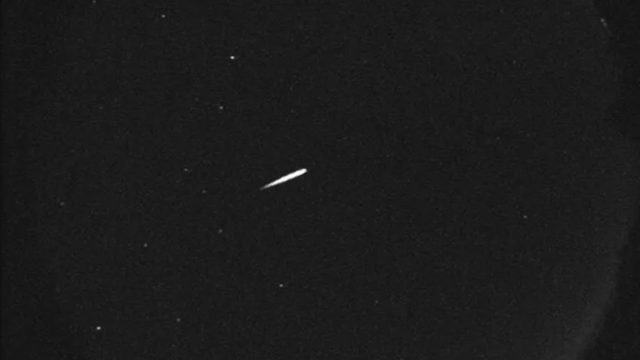
The Orionids are known for their brightness and speed, traveling at about 41 miles per second.
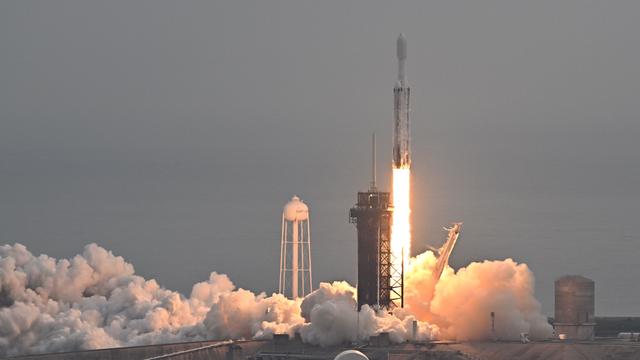
The asteroid Psyche may be a sample of planetary core material left over from the birth of the solar system 4.5 billion years ago.
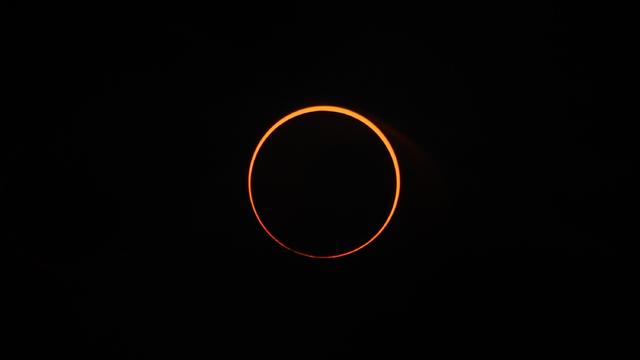
A rare "ring of fire" solar eclipse will move across the U.S. on Saturday. NASA shared a viewing map and timeline.
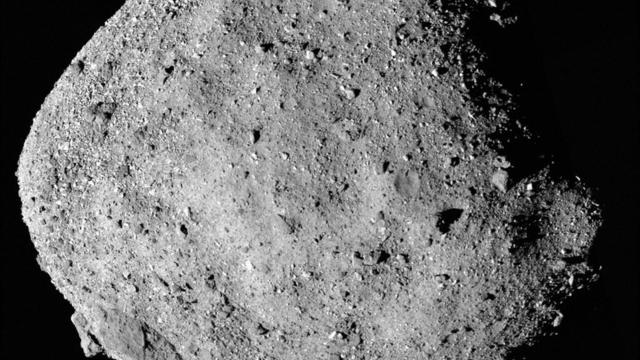
The OSIRIS-REx sample return in Utah will bring a seven-year, four-billion-mile journey to a close, providing insights into the birth of the solar system.