Suspicious activity in the Bay Area during Super Bowl will be tracked by California agency
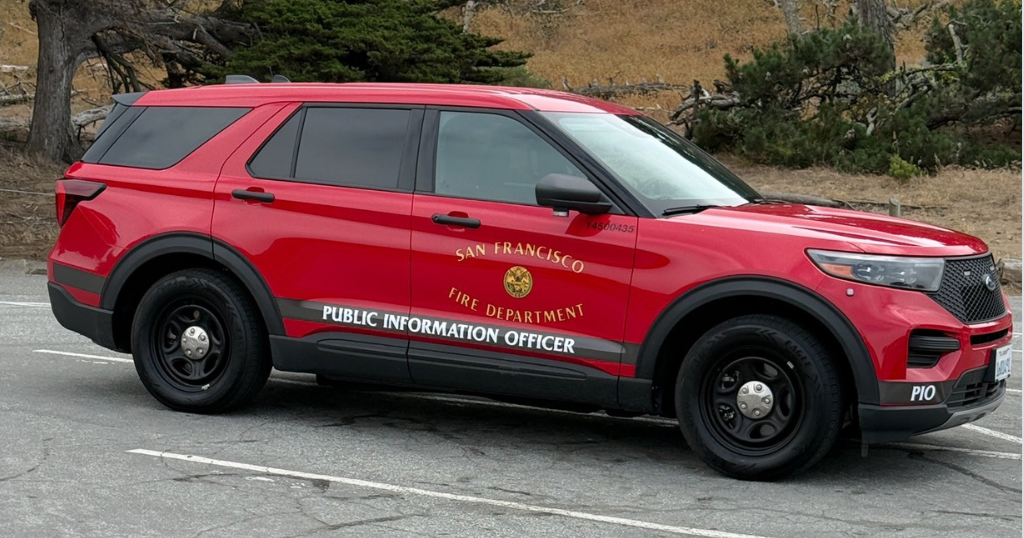
In the weeks leading up to the Super Bowl, local and federal emergency responders ramped up their training for public safety.
Mike Sena, the executive director of the Northern California Regional Intelligence Center, demonstrated simulations of reports of suspicious activity.
"When we have these big surge events, there is always a surge of criminal activity that takes advantage of the large population, being at the location of the event," Sena said.
He showed how their internal database works, where about 18,000 emergency responders around the Bay Area, including law enforcement and task force officers, can flag suspicious conduct or criminal activity.
"This way, you can link the locations to the information and really tie it all together in near-real time, so people actually get a real map of what's happening," he said.
Officials said that with airports and hotels along Highway 101, the Peninsula can especially be a vulnerable target for human traffickers. So, Sena said his team will be more vigilant.
"If you see something suspicious, or you see something that you may think is human trafficking, or an indicator of human trafficking, call your local law enforcement. Your local law enforcement that will pass it to us and our analysts and they will help coordinate that effort," Sena told CBS News Bay Area.
San Mateo County Supervisor Jacke Speier said that there will be extra measures in place to help prevent crime.
"There's a culture in our country to mind your own business. This is not the time to mind your own business, because lives are at stake," Speier told CBS News Bay Area. "We have to be much more vigilant."
"There's a training going on right now with local law enforcement in San Mateo County, two-day training. We had a training last December. We're going to plaster the county with signs and posters. Transit authority is going to put posters up. We're looking to everyone to be part of the solution," she added.
The supervisor also urged the public to keep an eye out for any signs of trafficking.
"Much of the sex trafficking is gravitating to Airbnb. So, my question to local cities, is are you registering all those who have Airbnbs or offer their homes for vacation rentals? Because if you don't have that, we can't track them," she said.
CBS News Bay Ara reached out to Airbnb and a spokesperson sent the following comment.
"We take our work to help support the global fight against human trafficking and exploitation seriously. Ahead of the Big Game, Airbnb again partnered with the Polaris Project to hold expert-led training for our Bay Area hosts, designed to help broaden awareness of the warning signs of human trafficking and how to help report suspicious activity. While issues are rare on Airbnb, we invest in initiatives, like accessible education for hosts and guests, training for law enforcement on how we can help aid their investigations, and expert partnerships to help inform our work, and we hope to continue these important efforts."
Speier said the work does not stop here, adding that she is reconstituting a robust organization to combat trafficking countywide.
"We'll have five professionals working within the DA's office, and separately have services provided by a rape crisis organization so we can help identify the victims and get them the services they need, and prosecute those who are engaged in this conduct," she said.
Sena also encourages neighbors to report any suspicious activity to ncric.org.
"They can submit that anonymously, and that comes directly to us in our intake, and we have trained analysts and detectives, and sergeants and lieutenants from local law enforcement and federal agencies, that are here that help triage these threats," Sena said.
"We want to make sure people know how to report things," he added.