California farmers eye automation amid labor crisis
In a part of Central California known as America's fruit basket, picking strawberries can break more than just a sweat.
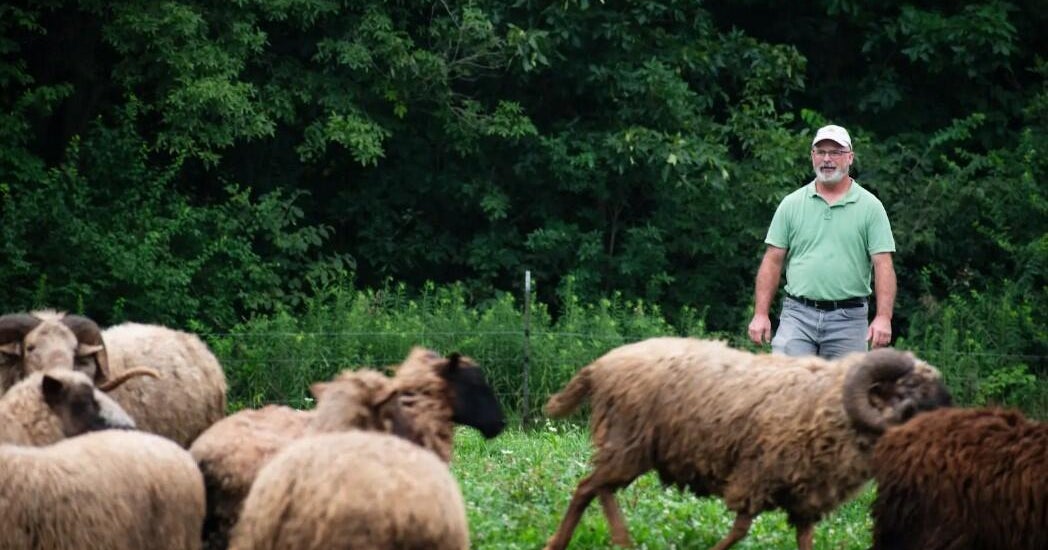
For farmer Larry Jacobs — who has spent four decades growing some of the most sought-after chives, basil, and tomatoes — the biggest struggle isn't growing crops. It's finding enough hands to work the fields, a challenge that he says is made even harder by recent immigration raids.
"We've had some people who have resigned, because of the changes, hey we're just going to go back to Mexico," he said.
With nearly 88,000 agricultural jobs left unfilled each year, according to figures from the Bureau of Labor Statistics, America is facing a labor crisis — and small growers like Jacobs are turning to high-tech.
"This has been an issue for the last five years and 10 years, but it's hard to find people to do this work," he said.
From one that punches holes for seedlings to another that shakes nuts from trees and even one that scorches weeds with flames, robots are helping save small farms from going under.
Jacobs says using these robots, he's able to run his farm with half the human workforce.
Even though the machines are ready to work, the law isn't. In California, state regulations prohibit the use of autonomous machines on farms, in most cases requiring a human to stay close by.
Tyler Niday, CEO of Bonsai Robotics, the company behind these machines, said the regulations were written back in the 1970s, when driverless technology was still science fiction.
"There's a huge push right now to rewrite this legislation based around autonomy because we know things about it. We know how these systems work," he said.
With the average farmer now 58 years of age, Jacobs hopes automation might plant the seeds for a new generation of growers.
"If you can take the grunge work out of it and make it interesting with the technology that's just gonna create a lot of excitement?" he said.
Bonsai Robotics said one of their robots costs about $13,000, versus $80,000 for a full-sized tractor and labor to run it.