What to know about March's full "Blood Worm Moon," a total lunar eclipse
Viewers across North America will get to enjoy a full Blood Worm Moon during a total lunar eclipse on March 13 into March 14.
Watch CBS News
Viewers across North America will get to enjoy a full Blood Worm Moon during a total lunar eclipse on March 13 into March 14.

The U.S. Space Force said in a news release that the craft had "accomplished a range of test and experimentation objectives."

SpaceX made multiple changes in the wake of a January Starship failure, only to suffer a second straight vehicle breakup Thursday.

The Blue Ghost touchdown kicks off two weeks of around-the-clock research by NASA science and technology payloads.
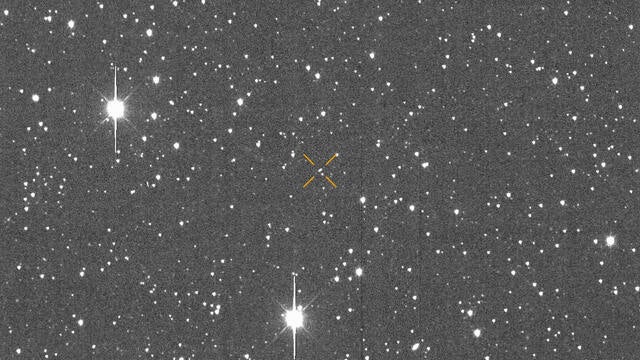
The asteroid 2024 YR4 has a very small chance of striking Earth when its orbit briefly intersects our planet's in December 2032.
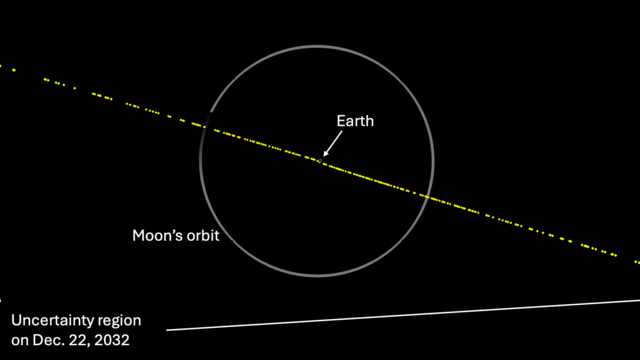
Astronomers will use the Webb telescope to closely monitor the size and trajectory of an asteroid that has a slim chance of hitting Earth in 2032.
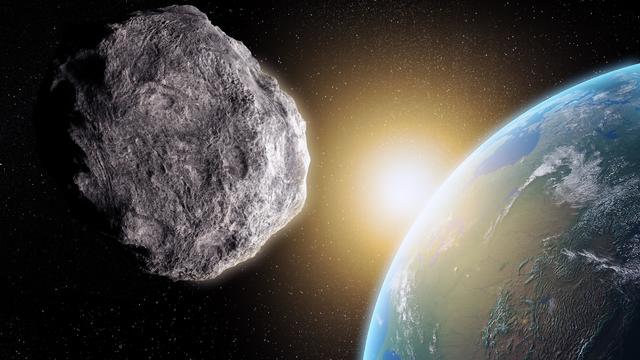
"An asteroid this size impacts Earth on average every few thousand years and could cause severe damage to a local region," the European Space Agency said.

A NASA spacecraft has returned asteroid samples that hold not only the pristine building blocks for life but also the salty remains of an ancient water world.
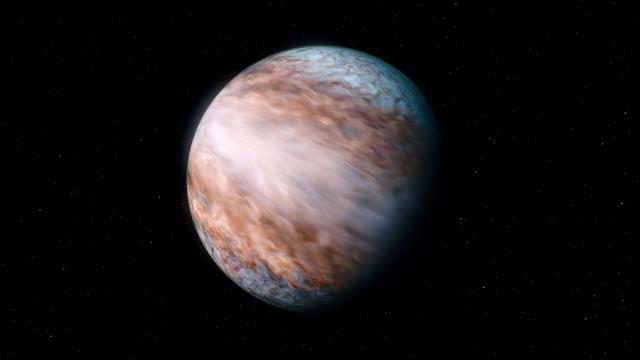
Researchers said this was the fastest wind ever measured in a jetstream that goes around a planet.

Telemetry from the Starship froze just more than 8 minutes after launch from Texas, moments after engines began shutting down.

Despite losing its booster during a landing attempt, the upper stage reached orbit as planned.

The first meteor shower of 2025 is about to peak. Here's how to watch and where you can see the Quadrantids.

Space agencies worldwide are gearing up missions in 2025 to expand humanity's horizons, from the moon and Mars to asteroids and beyond.

December's full moon, known as the Cold Moon, is the last full moon of 2024. Here's when it peaks and why it's called the Cold Moon.
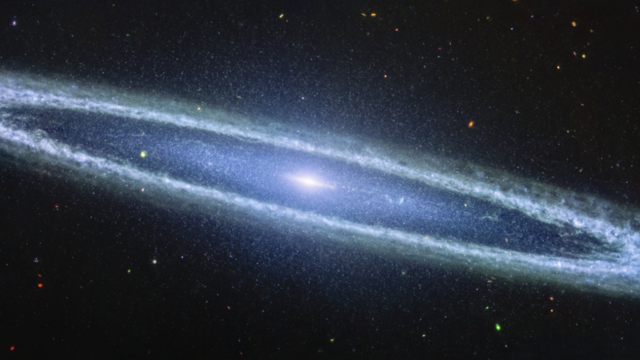
The Sombrero galaxy, named for its resemblance to the Mexican hat, is about 30 million light-years from Earth.