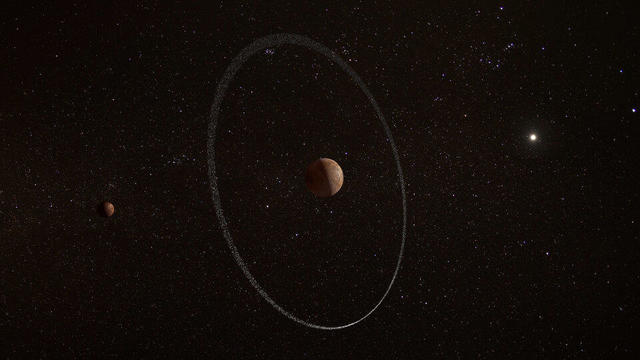
Scientists find dense ring around dwarf planet, but can't quite explain why
Quaoar is part of a collection of about 3,000 dwarf planets known as trans-Neptunian objects, which are beyond the orbit of the planet Neptune.
Watch CBS News
Quaoar is part of a collection of about 3,000 dwarf planets known as trans-Neptunian objects, which are beyond the orbit of the planet Neptune.
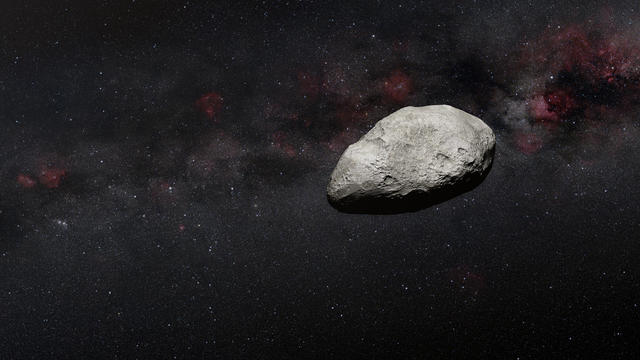
The James Webb Space Telescope has observed its smallest cosmic object to date — a previously unknown asteroid about the size of the Colosseum in Rome.

The new moons were discovered using telescopes in Hawaii and Chile, and their orbits were confirmed with follow-up observations.

A rare green comet is zooming our way for the first time in 50,000 years. As it makes its appearance in the sky, Dr. Kyle Watters, the Planetarium Director at Sac State, shares how you can view the comet if you live in Sacramento.
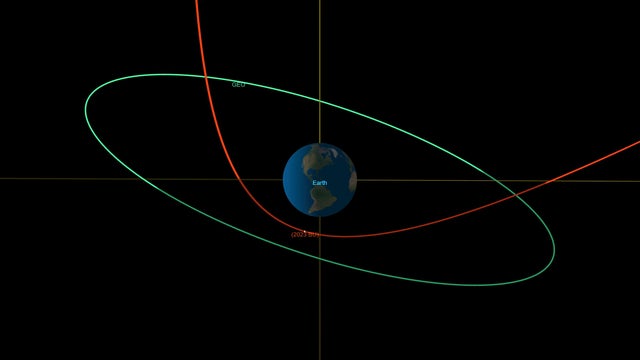
But it will miss, the space agency says, in one of the closest encounters of its type ever.
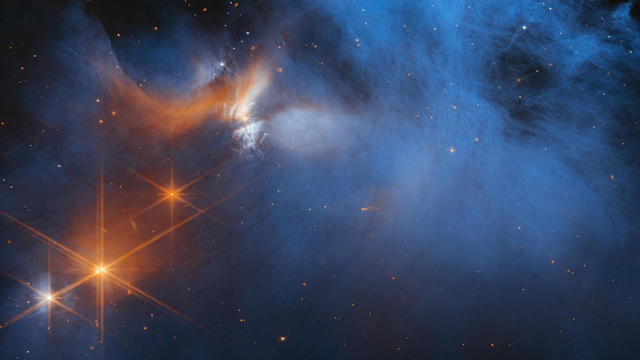
The James Webb Space Telescope peered inside a wispy molecular cloud located 630 light-years away and spied ices made of different elements.
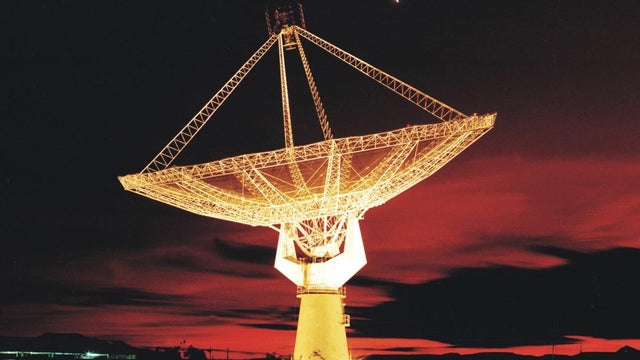
Researchers have captured a radio signal from the most distant galaxy to date.

Edwin "Buzz" Aldrin, who became the second person to ever set foot on the moon in 1969, following crewmate Neil Armstrong, married his "longtime love" on his 93rd birthday on Friday.
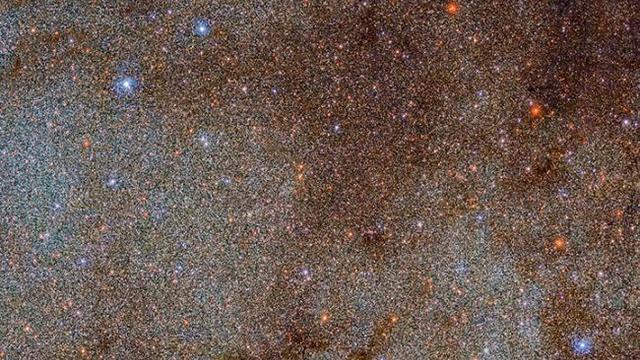
Stunning images released by the National Science Foundation show the most expansive slice of the galaxy to date produced by a single camera.

Astronomers might have solved the mystery behind an unusually brightening star.
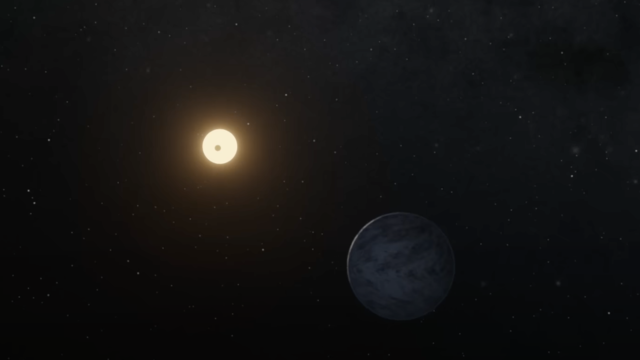
A habitable zone is an area just the right distance from a star so water can exist on a planet's surface and the conditions are neither too hot nor too cold for life.
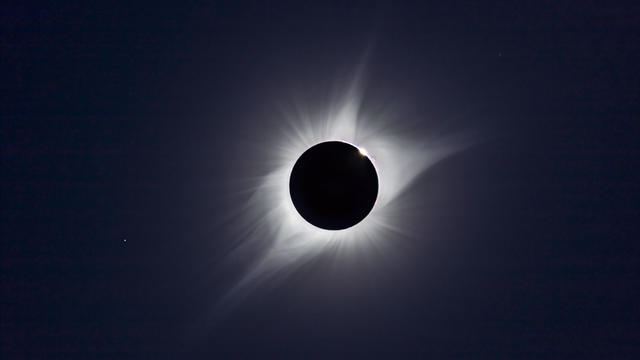
The total solar eclipse on April 8, 2024, will be the last one to be visible from the contiguous U.S. until 2044.
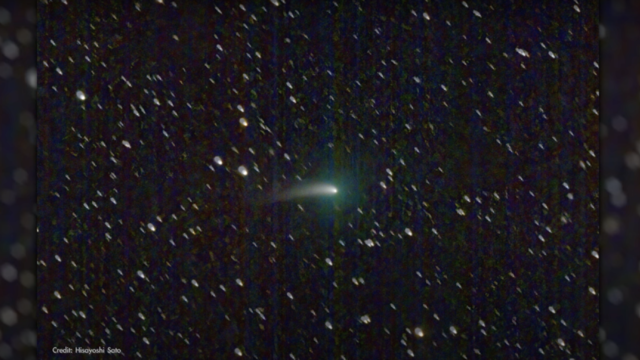
The comet C/2022 E3 (ZTF) is believed to have traveled billions of miles from the most distant region of the solar system — and this will likely be the only time it's visible from Earth for thousands of years.
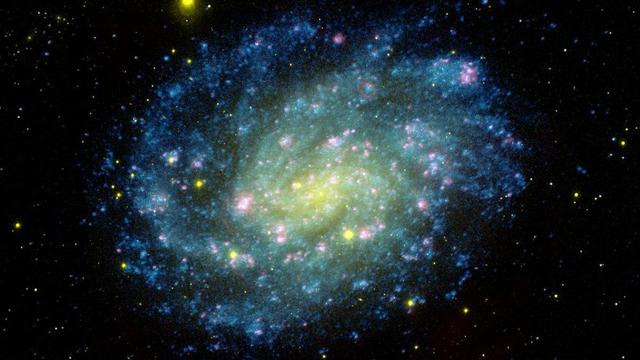
NASA shared a photo of a mesmerizing galaxy 7 million miles away lit up in the bright colors of Brazil, Pelé's home nation.
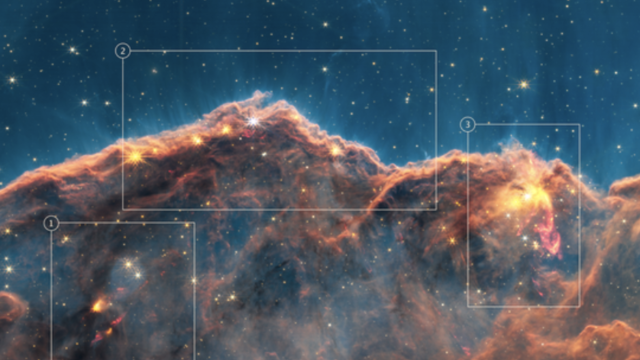
NASA was able to capture a "gallery of objects ranging from small fountains to burbling behemoths" deep in space: "It's like finding buried treasure."