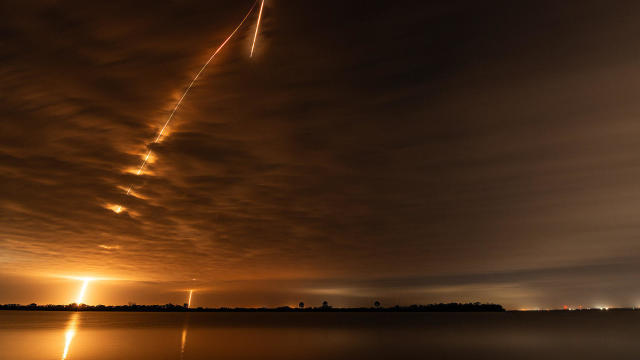
SpaceX launches NASA satellite designed to shed new light on climate change
The spacecraft's instruments will study how Earth's oceans, atmosphere and land masses interact and how that interaction impacts climate change.
Watch CBS News
The spacecraft's instruments will study how Earth's oceans, atmosphere and land masses interact and how that interaction impacts climate change.
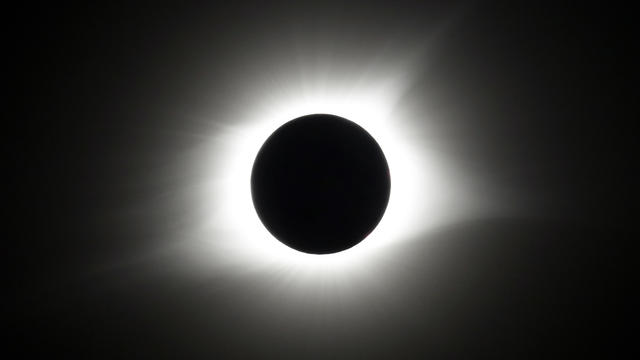
About 31.6 million people live in the path of today's total solar eclipse across the U.S., and millions more will see a partial eclipse. Here's how and where to see it.
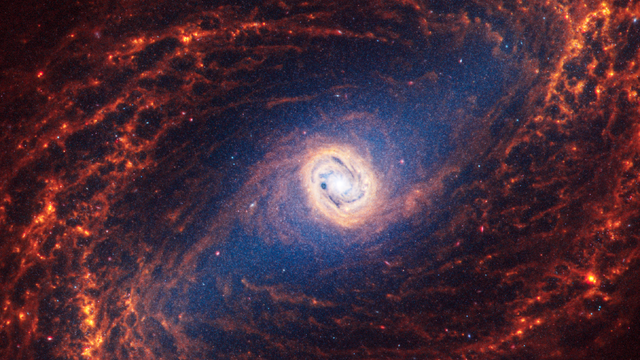
The new images captured by the James Webb Space Telescope are "mind-blowing even for researchers who have studied these same galaxies for decades," one scientist said.
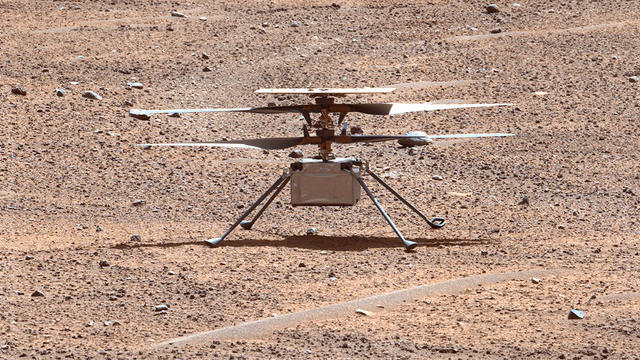
Living long past its design lifetime, the Ingenuity helicopter was finally done in by rotor damage during a presumed off-kilter landing.

January's first full moon, known as the Wolf Moon, will appear full for around three days, according to NASA.

The flight marks the third commercial space station visit funded by Houston-based Axiom Space, and the first with an all-European crew.
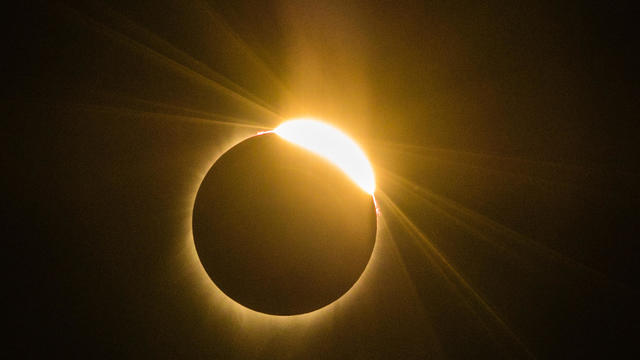
Astronomy fans can enjoy celestial events throughout 2024, looking to the sky to see full moons, meteor showers and a total solar eclipse. Here are the key dates to mark on your calendar.

NASA says the delays in plans will allow time to solve technical problems and to carry out flight tests of SpaceX's Starship moon lander.

Spacecraft-builder Astrobotic says the lander will run out of propellant Thursday, ending any chance of a planned moon landing.
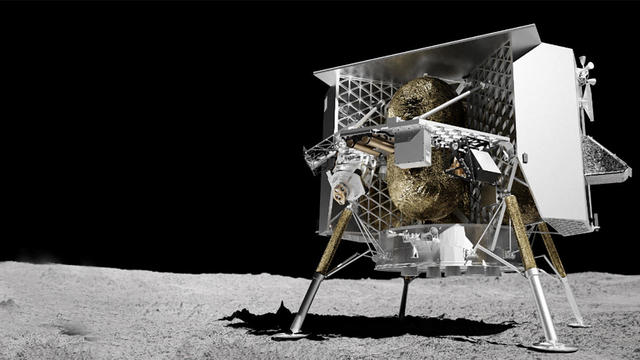
Engineers are troubleshooting an apparent propulsion system issue that threatens a planned moon landing next month.
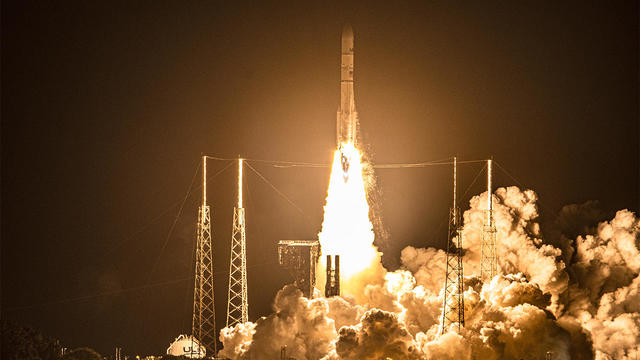
Pittsburgh-based Astrobotic's Peregrine is the first U.S. spacecraft to attempt a moon landing in more than 50 years.

NASA's spacecraft Juno did a flyby of Jupiter's moon Io to learn more about the lunar body's volcanic activity.

SpaceX launches two rockets less than three hours apart to put a military spaceplane and 23 more Starlink internet satellites into orbit.

These missions are headed not just to Earth's moon, but moons of Mars and Jupiter — and a pair of asteroids.
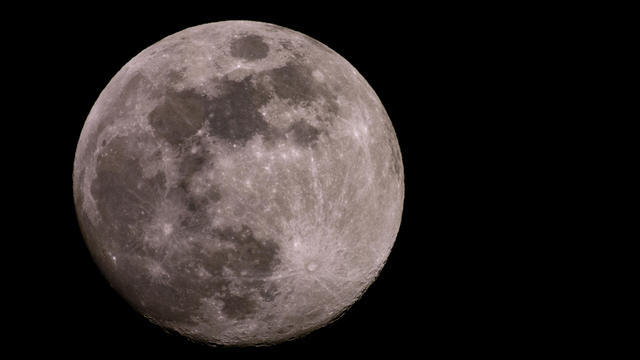
December's full moon, also known as the Cold Moon and Long Night Moon, will reach peak illumination on Tuesday at 7:33 p.m. ET.