istockphoto
Snowy weather can be fun, but winter storms are no joke. Each year, dozens of Americans die as a result of exposure to cold. And low temperatures are just one threat. Keep reading to learn some surprising ways to die when the weather turns nasty - and how to keep your family safe.
Frostbite
istockphoto
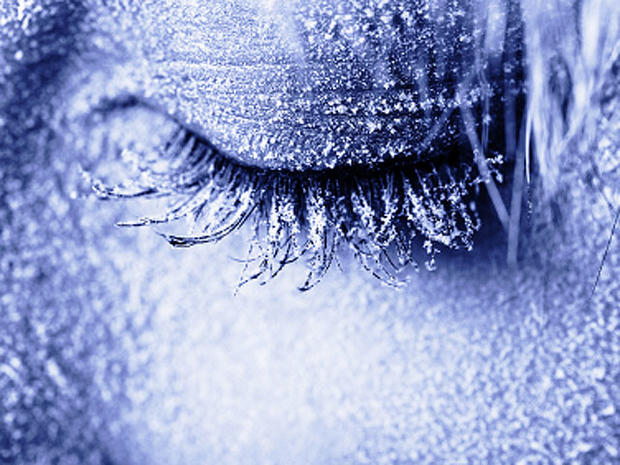
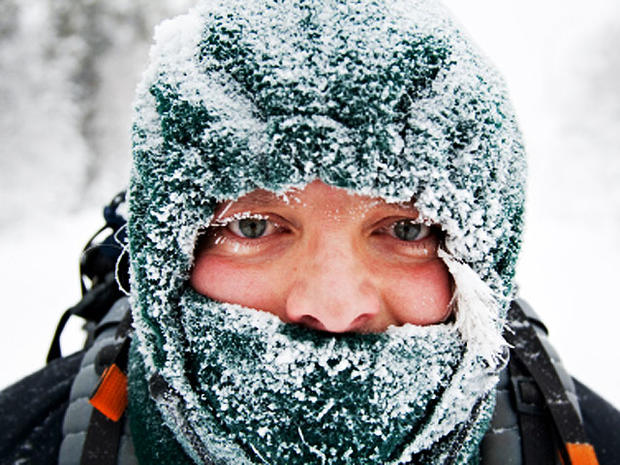
There's a reason moms tell their kids to bundle up before venturing outdoors in frigid weather. Low temperatures can cause frozen skin, a.k.a. frostbite. Frostbite typically affects the nose, ears, cheeks, chin, fingers, or toes - and can lead to amputation.
If skin turns white or grayish-yellow, or feels oddly firm, waxy or numb, get to a warm place as soon as possible, and re-heat the affected area by immersing it in warm water. Seek medical care.
Hypothermia
istockphoto
When it's really cold out, the body may not be able to generate enough heat to maintain a normal body temperature. Babies and elderly people are especially vulnerable to hypothermia, as are people who stay outdoors for an extended period.
If you notice warning signs of hypothermia, such as confusion, memory loss, fumbling hands, and slurred speech, get the victim into a warm room or shelter at once. If his/her clothing is wet, remove it. Warm the body. If an electric blanket is available, use it. Or use skin-to-skin contact under blankets, clothing, towels, or sheets.
Warm beverages can help - but do not give alcohol or try to give beverages to someone who is unconscious. Get medical attention.
Best Winter Clothing
istockphoto
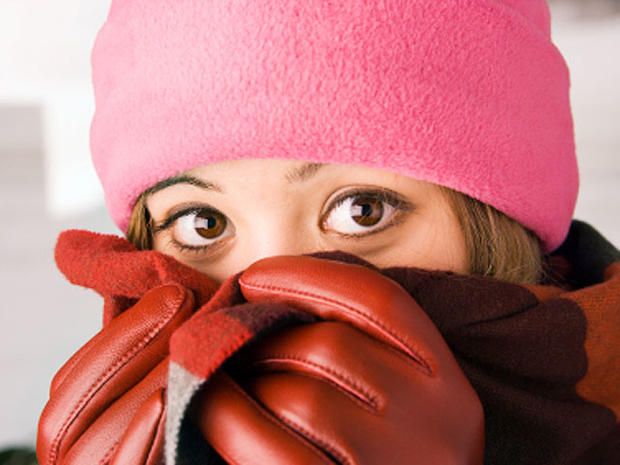
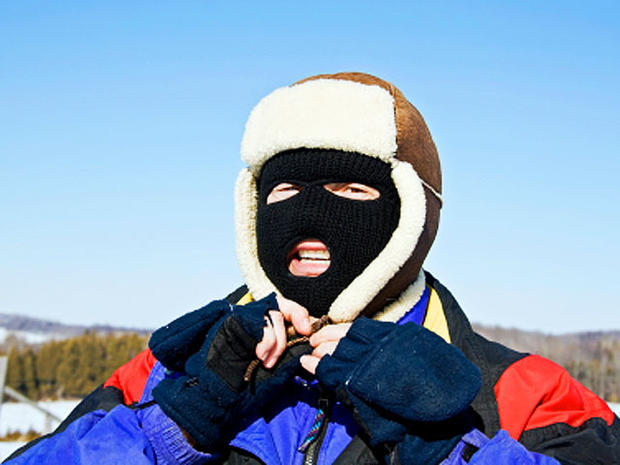
A coat isn't nearly enough when the mercury plummets. Wear a hat, a scarf or knit face mask, mittens (warmer than gloves), and water-resistant shoes. Layering works best, and make sure the outer layer of your clothing is tightly woven to resist wind and water.
If you start to feel warm, remove a layer of clothing. Perspiration increases heat loss from the body.
Carbon Monoxide Poisoning
istockphoto
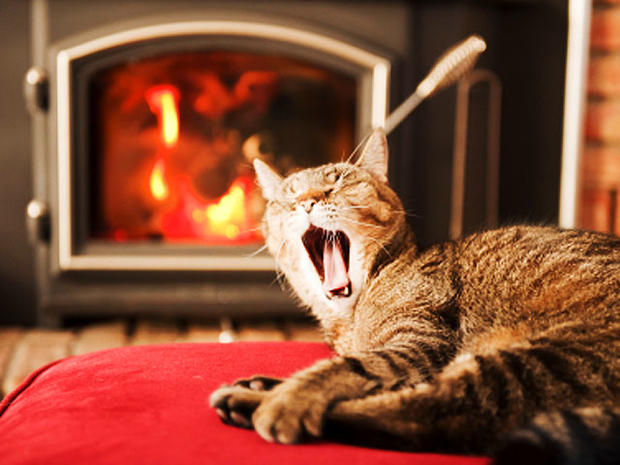
Power outage? Be careful if you opt to heat your home with a wood stove, fireplace, or space heater. Fire is one risk. Another is carbon monoxide, a colorless, odorless gas that is deadly in high concentrations.
Make sure the fireplace, stove, or heater is properly vented to the outside and doesn't leak flue gas indoors. Use only the fuel the heater is supposed to use - don't substitute. If you use a kerosene heater, crack a window to ensure adequate ventilation. Keep space heaters away from drapes and other items that might catch on fire.
It's always a good idea to have a multipurpose, dry chemical fire extinguisher on hand.
Getting Stranded
istockphoto
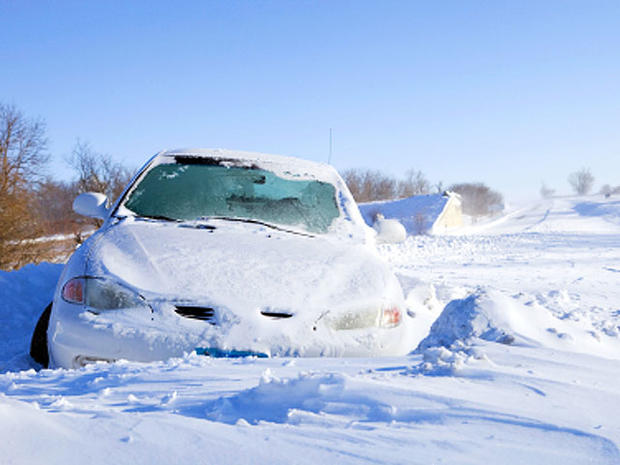
When winter storms strike, it's best to stay indoors. If you must venture out and get stranded, remain inside the car. Tie a brightly color cloth to the antenna to signal rescuers. Stay awake, and keep moving your arms and legs to improve your circulation and stay warm. Run the motor and heater for 10 minutes each hour. Open one window slightly to reduce the risk of carbon monoxide poisoning - and make sure snow isn't blocking the exhaust pipe.
Emergency Road Kit
istockphoto
You'll be less likely to become stranded - and better able to survive if you do - if you have a charged cell phone and an automotive emergency kit. It should contain the following items:
shovel
windshield scraper and small broom
flashlight
battery-powered radioand extra batteries
water
snack food
matches
extra hats, socks and mittens
first-aid kit with pocket knife
necessary medications
blanket(s)
tow chain or rope
road salt and sand
booster cables
emergency flares
fluorescent distress flag
Heart Attack
istockphoto
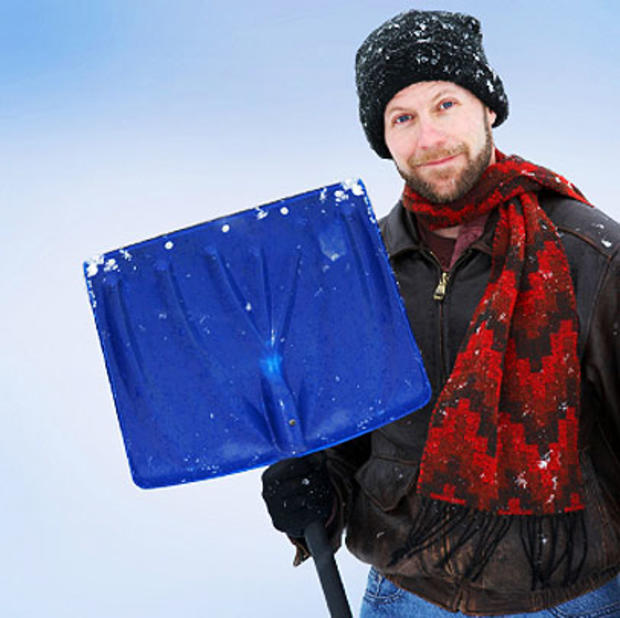
Cold weather puts extra strain on the heart. If you have high blood pressure or heart disease, follow your doctor's advice about shoveling snow or tackling other strenuous chores outdoors.
Electrocution
istockphoto
Downed power lines are extremely dangerous. Don't try to clear them yourself - alert the authorities.