istockphoto
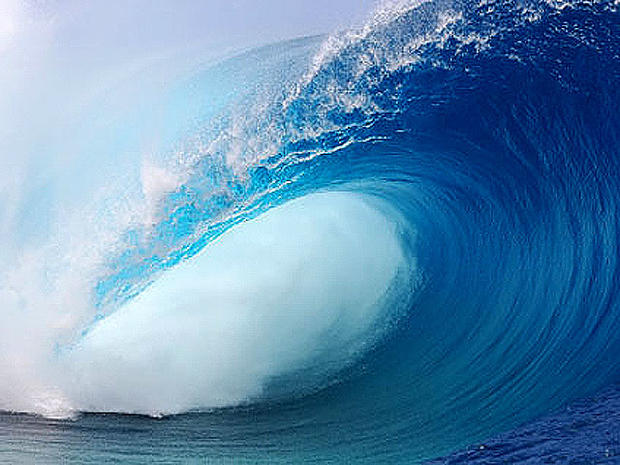
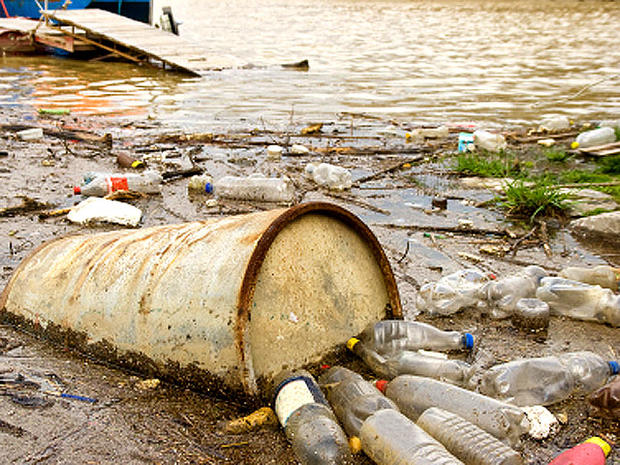
Toppling buildings and swirling floods may be just the initial dangers that come with a massive earthquake like the one that hit Japan on Friday. Quakes, tsunamis, and other big natural disasters often lead to outbreaks of life-threatening disease, as drinking supplies are contaminated and people find themselves without shelter.
It's too soon to say just what outbreaks, if any, Japan will face in coming weeks and months. But here are 10 tsunami-related disease threats identified by the Centers for Disease Control and Prevention.
Cholera
istockphoto
Cholera is a potentially deadly bacterial illness that causes watery diarrhea and vomiting. Humans get it from feces-contaminated food and water. Doctors treat it by replacing the body's lost water and salt. In the aftermath of Haiti's 2010 earthquake, over 120,000 people were diagnosed with cholera.
Japanese encephalitis
istockphoto
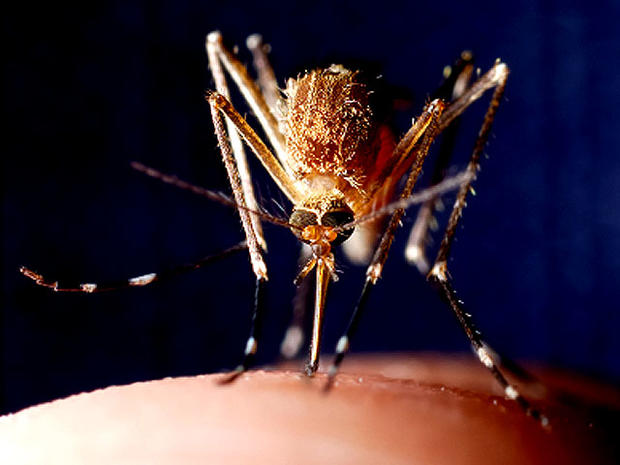
Encephalitis is a swelling of the brain that can be caused by bacteria or viruses, including viruses that can be carried by mosquitos. Japanese Encephalitis is the most common form viral encephalitis in Asia. If it goes untreated, Japanese encephalitis can progress to paralysis, seizures, coma, and death. Mosquitos that carry the virus can breed in stagnant water.
Plague
istockphoto
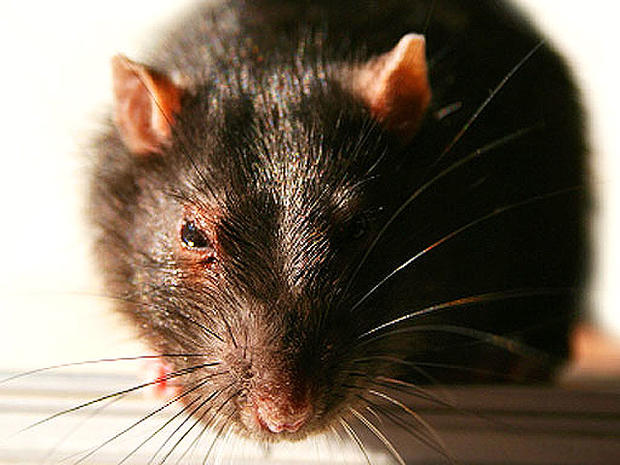
Plague is a bacterial infection spread by fleas. If people are in close proximity to the rats that carry infected fleas, they too can get infected. Plague can be deadly without treatment with antibiotics.
Hepatitis
istockphoto
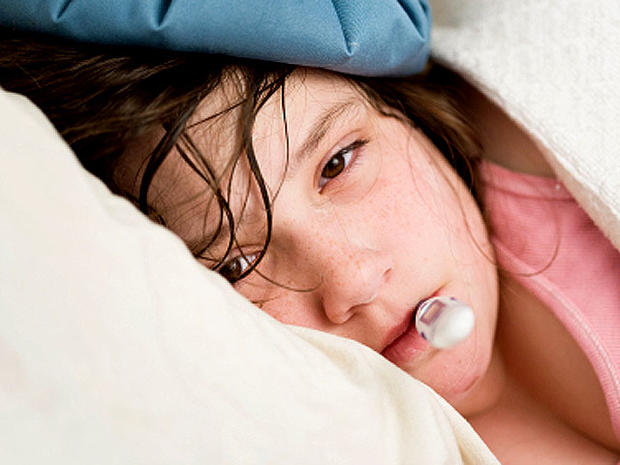
Hepatitis A and E are infectious liver diseases that strike when people eat or drink even microscopic quantities of infected feces. Some patients show no symptoms, but those who do typically experience fever, fatigue, nausea, vomiting, and joint pain. There's no effective treatment for the diseases, and people often take months to recover.
Cryptosporidiosis
istockphoto
Crypto is a parasitic disease that causes fever, nausea, abdominal cramps, vomiting, and diarrhea. In a disaster, Crypto can spread through sewage-contaminated drinking water, or even pools and rivers.
Rotavirus
iStockphoto
Rotavirus causes watery diarrhea, vomiting, fever, and abdominal pain. The virus spreads from person to person through feces. Infection can occur if someone gets even a tiny amount of infected feces into his/her mouth - sometimes after touching a toy or other object that is contaminated. There is no treatment for rotavirus once infected, but patients should stay hydrated throughout the disease's course.
Tetanus
istockphoto
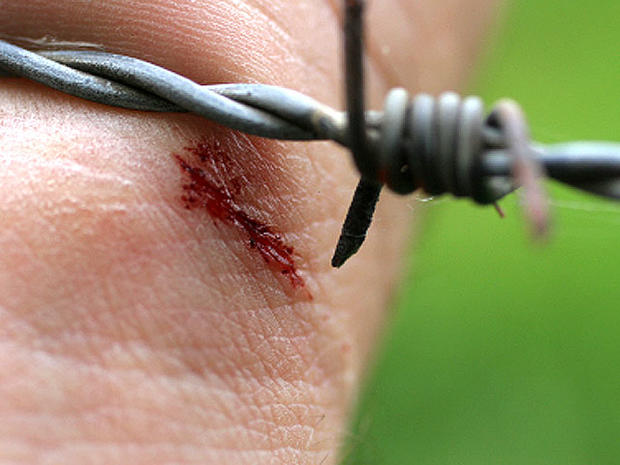
Tetanus is a bacterial disease that enters through a break in the skin. In a natural disaster, debris that carries the bacteria can infect a victim's wounds. There's no cure for tetanus, a.k.a. lockjaw - though it can be prevented with a vaccine.
Typhoid fever
istockphoto
A life-threatening disease, typhoid fever hits victims with sustained, high fever, weakness, and stomach pain. An infected person sheds the disease-causing Salmonella bacteria through their feces. If a person shedding the bacteria handles food or water, or the bacteria reach a water supply, the consequences can be severe. The disease can often be controlled with antibiotics.
Avian flu
istockphoto
Avian flu is caused by a virus can spread to humans from contact with infected poultry or surfaces contaminated with bird droppings. Symptoms range from eye infections (like pink eye) to respiratory illness, nausea, vomiting, and neurological changes. The disease can be treated wtih antiviral medications, though it's better to prevent the disease through vaccination.
Shigellosis
istockphoto
Shigellosis is a bacterial disease that causes bloody diarrhea, fever, and stomach cramps. It can spread from person to person through infected stool and unwashed hands. Even without treatment, patients generally recover in about a week.