NASA/SDO/AIA
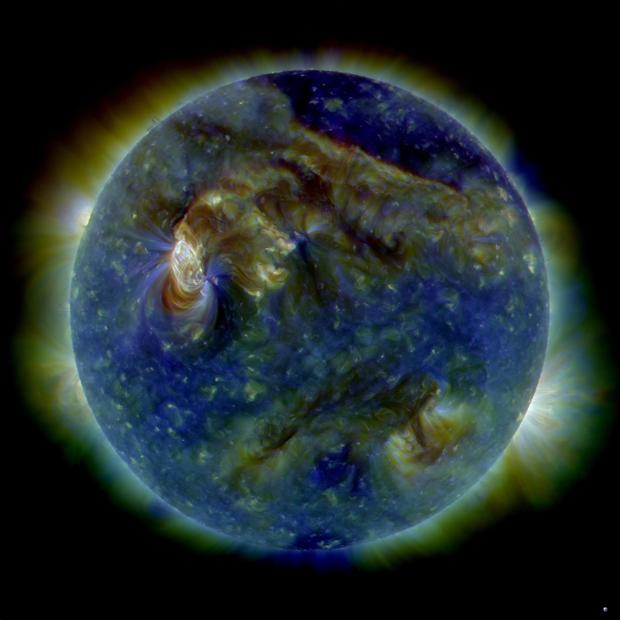
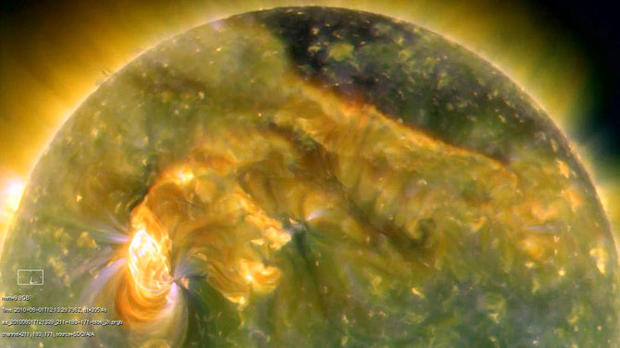
Viewed from the Solar Dynamics Observatory, this image shows the sun's northern hemisphere in mid-eruption. The different colors are caused by different gas temperatures.
European Southern Observatory
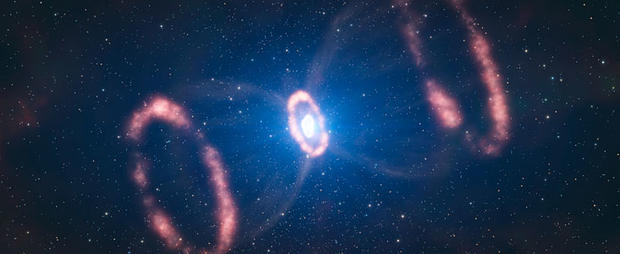
Astronomers celebrated a first: They got a three-dimensional view of the distribution of the innermost material expelled by a recently-exploded star.
NASA
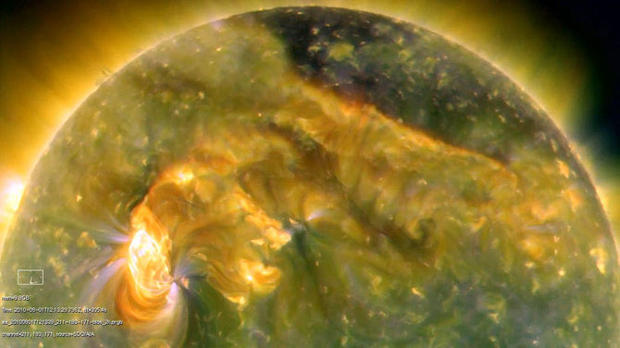
X-ray photo of the Sun taken on Aug. 1. The darker arc seen in the image is a filament of plasma blasting off the surface.
NASA
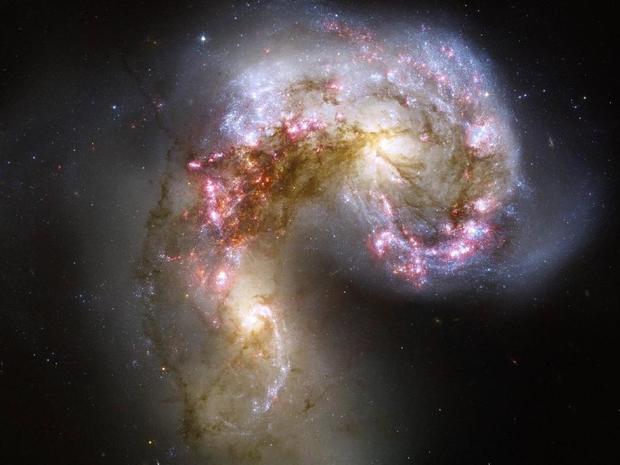
Composite image of the Antennae galaxies, located about 62 million light-years from Earth. Released this week by NASA's Great Observatories, the aging data was recorded in 1999, 2003, 2004, and 2005.
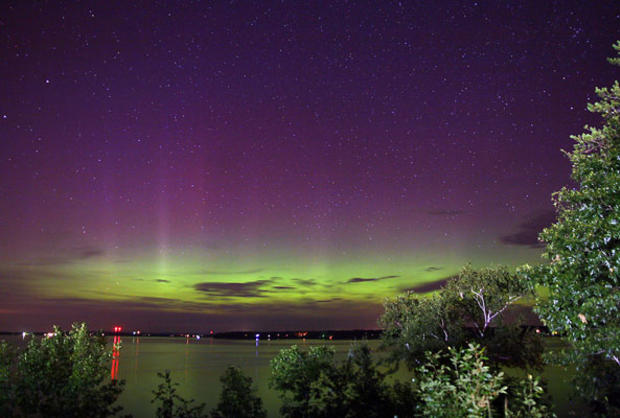
Tony Wilder/Spaceweather.com
Chippewa Falls, WI
NASA/SDO
This extreme ultraviolet snapshot from the Solar Dynamics Observatory shows the sun's northern hemisphere in mid-eruption
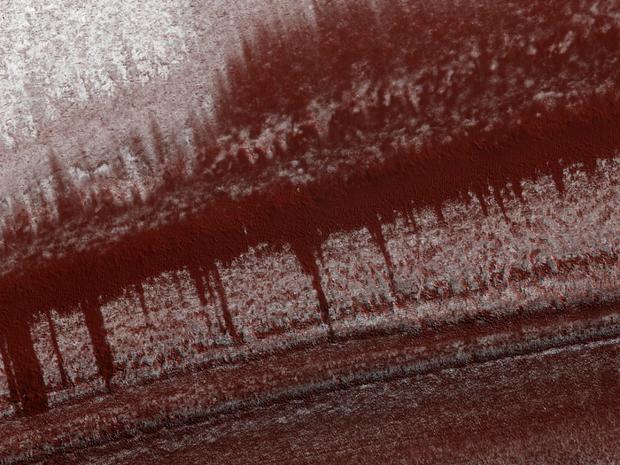
NASA
Layers of dusty ice on Mars are estimated to measure up to 2 miles thick and about 620 miles in diameter.
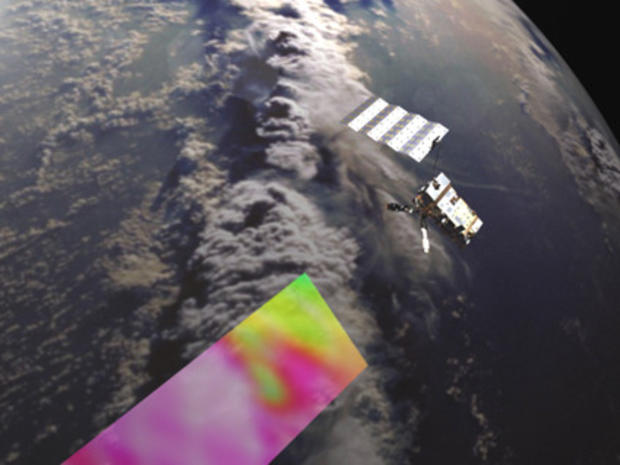
ESA
MetOp-A is Europe's first polar orbiting satellite dedicated to operational meteorology.
NASA/MODIS Rapid Response
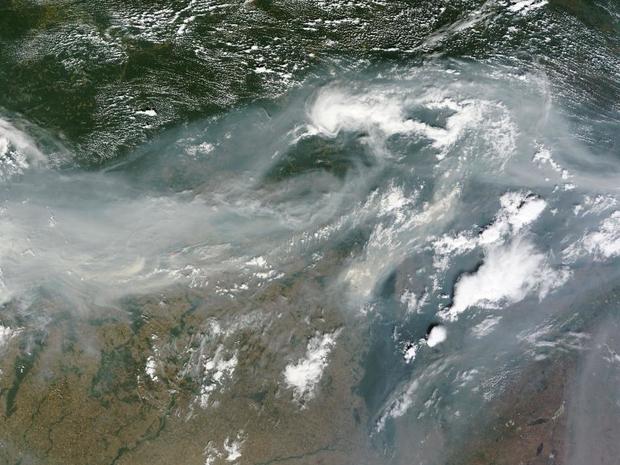
Smoke over western Russia as hundreds of fires burned on August 2, 2010. The smoke extends about 1,000 miles in this image taken by NASA's Terra satellite.
NASA
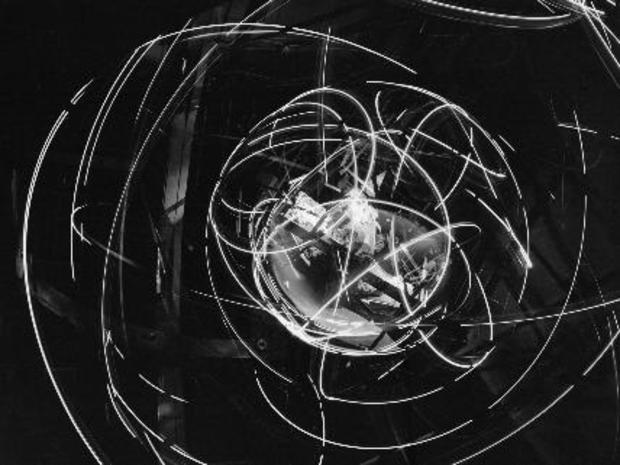
NASA pulled an oldie but goodie out of its files. This gimbal rig was used to simulate the tumbling and rolling motions of a space capsule during the training of the Mercury astronauts.
ESA
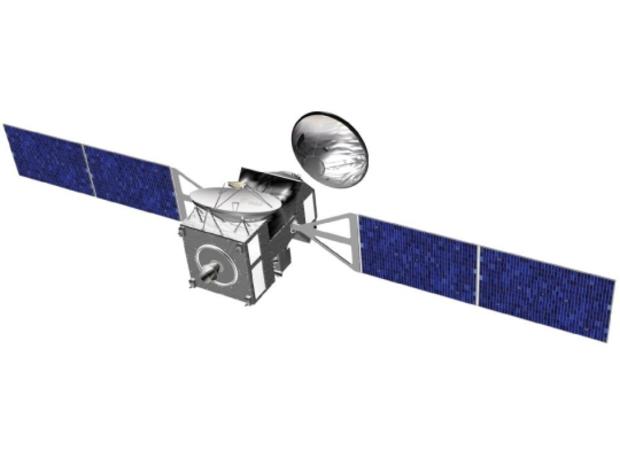
NASA and the European Space Agency announced this week plans to send what they call the ExoMars Trace Gas Orbiter to Mars. The probe, which is scheduled to launch in 2016, is the first of three joint robotic missions.
NASA
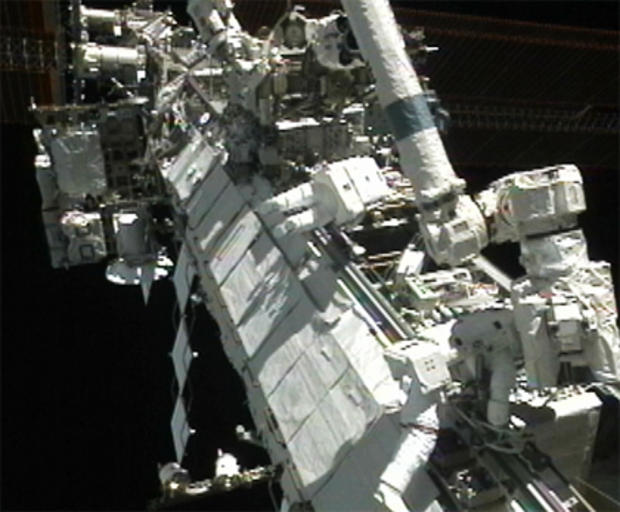
Expedition 24 Flight Engineers Doug Wheelock (foreground) and Tracy Caldwell Dyson work on the International Space Station's S1 Truss during the first of two spacewalks to replace a failed ammonia pump module.