Internet Clampdown: The Worst Offenders
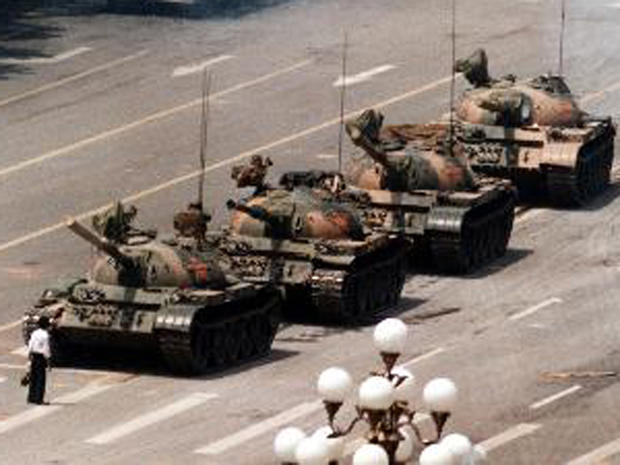
China
Cuba
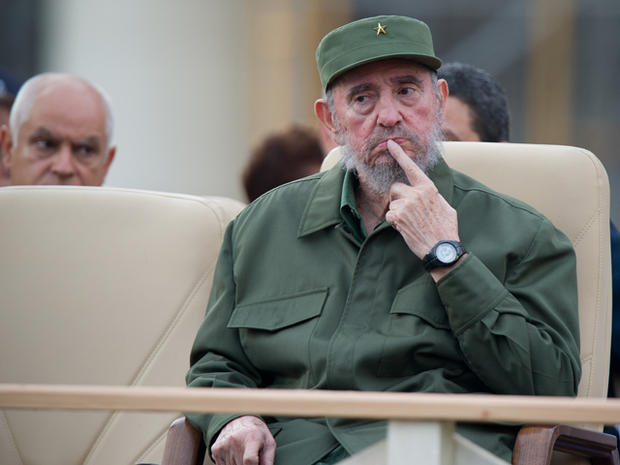
Cubans convicted of publishing "counter-revolutionary" articles on foreign-hosted websites are at risk of serving as many as 20 years in jail. If they connect illegally to an international Internet network, they also risk five years in jail. A planned underwater optical fiber cable linking Cuba to Venezuela is expected to go into operation in 2011.
Egypt
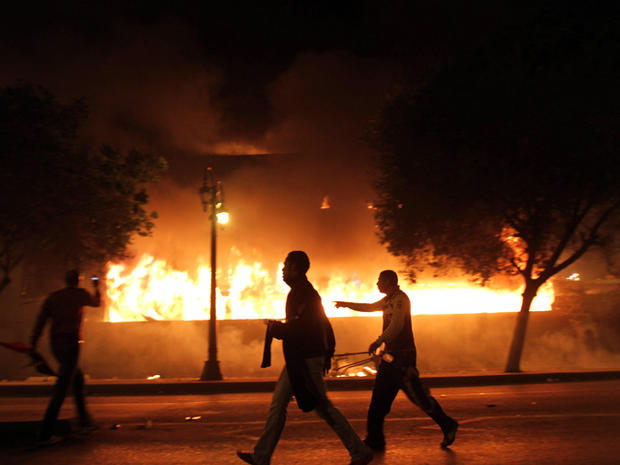
Reporters Without Borders says that complaints against Internet journalists and bloggers average one each day. It says that Egyptian authorities troll Facebook, on the prowl for activists. Coincidentally, in order to use Wi-Fi, you must supply a real email address. Also, the nation's Telecommunications Law requires Internet service providers to supply the government with surveillance services and equipment.
The government also owns the main service provider, Telecom Egypt, a relationship that lets the state exert control over the international telecom interconnection facilities that provide the physical transport for the international Internet connections, according to MIT Internet expert, William Lehr.
Iran
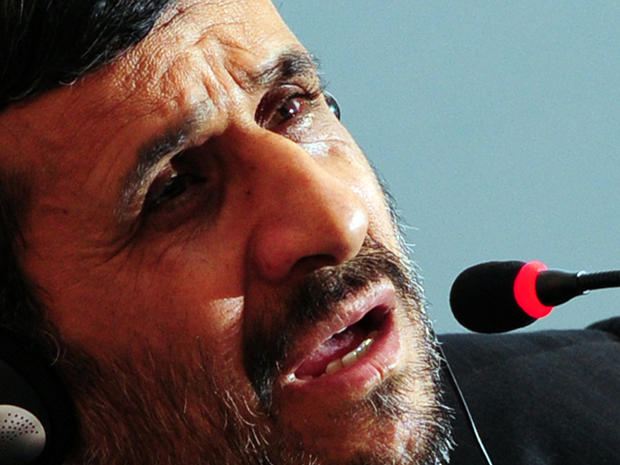
Connections to the Internet are slow while broadband is off limits for cyber cafes and homes. Iran's Cyber Crime Act of 2009 mandates prison terms of up to two years and a fine for anyone found guilty of "disseminating false information likely to agitate public opinion."
North Korea
Saudi Arabia
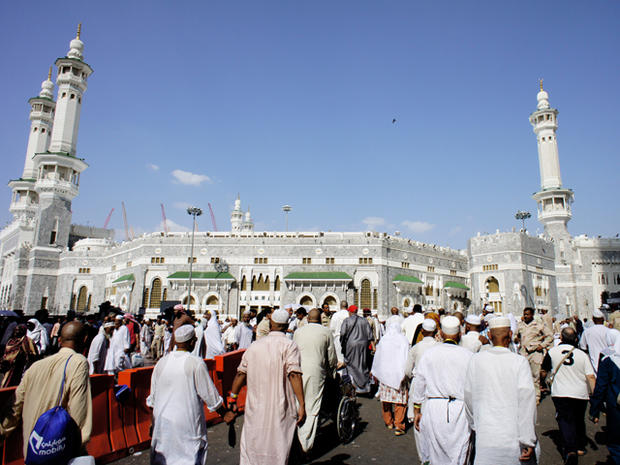
The kingdom prohibits access to websites that discuss religion and human rights. Owners of Web sites that support "terrorism" or "pornography" are subject to jail terms. Twitter pages of human rights activists have been blocked. Reflecting the limits of tolerance in this ultra-conservative nation, one blogger, Fouad Al-Farhan, was arrested after discussing the "advantages" and "disadvantages" of being a Muslim.
Syria
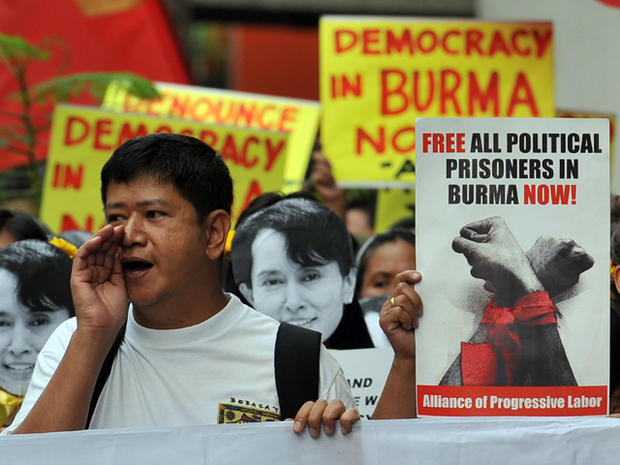
Tunisia
Turkmenistan
Uzbekistan
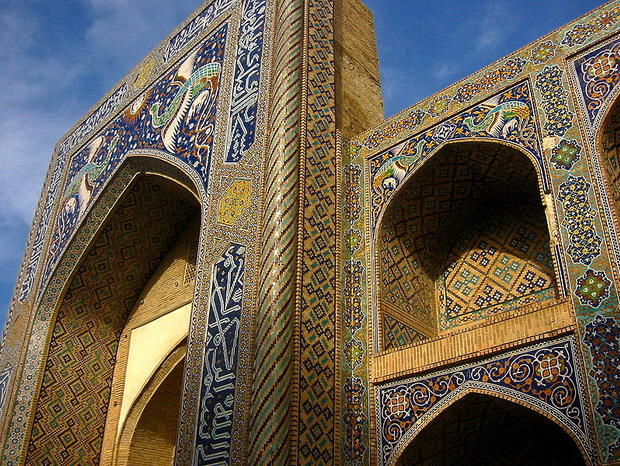
In 2006, an online reporter by the name of Djamshid Karimov wound up in a psychiatric hospital after denouncing corruption. The fact that he was the President's nephew didn't make a difference. The takeaway here, in one respect, at least, all Uzbeks are judged equally before the law.
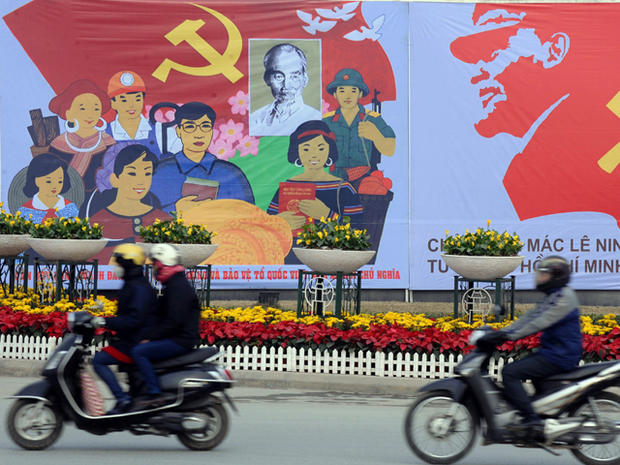
Vietnam