Getty Images
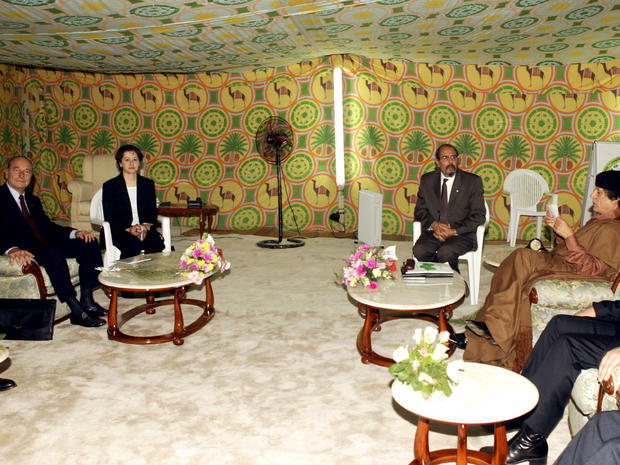
This is a file photo from better days for dictator Muammar Qaddafi taken inside his compound in Tripoli. The Libyan leader was famous for using very elaborate tents to host official business. Here he is seen with former French President Jacques Chirac (left) in November of 2004. Notice the plush carpeting.
PATRICK BAZ/AFP/Getty Images
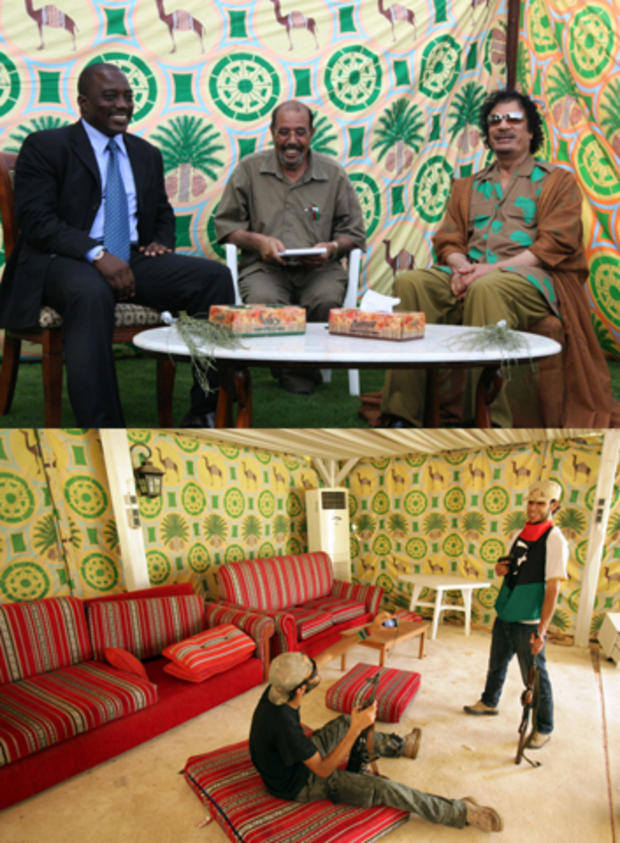
These pictures show Libyan rebels taking souvenir photos on August 24, 2011 (below) inside a tent where Libyan leader Muammar Qaddafi used to receive foreign dignitaries at the Bab al-Aziziya compound in Tripoli. On top: Qaddafi is shown meeting with Democratic Republic of Congo President Joseph Kabila in the same tent on July 17, 2008.
Google Earth
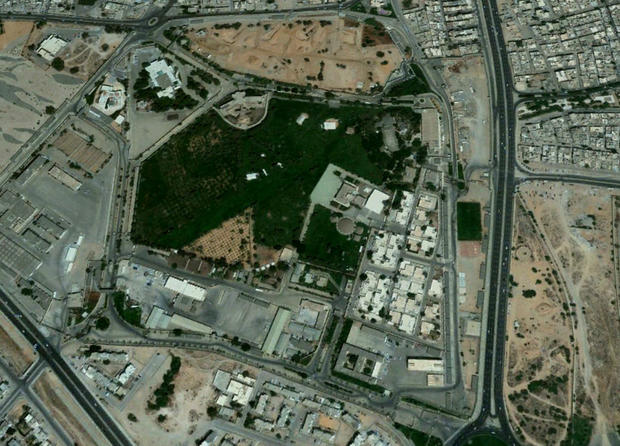
Muammar Qaddafi's main military compound is a sprawling blend of barracks, personal living quarters and offices, occupying about 2.5-square miles of Tripoli. It is surrounded by a high wall fitted with sensors, alarms, and remote-control infrared cameras that constantly scan access roads. Qaddafi's home and office are located in a bunker designed by West German engineers to withstand massive attack. His wife and family lived in a two-story building, their opulent living room decorated with glass screens, paintings and sofas. Authors David Blundy and Andrew Lycett describe Bab al-Aziziya as "a pleasant place, with the security of a prison but the facilities of a country club."
On Tuesday August 23, 2011, Libyan rebels stormed the complex - the most stunning attack yet on the regime's most defining symbol of Qaddafi's nearly 42-year rule.
Getty Images
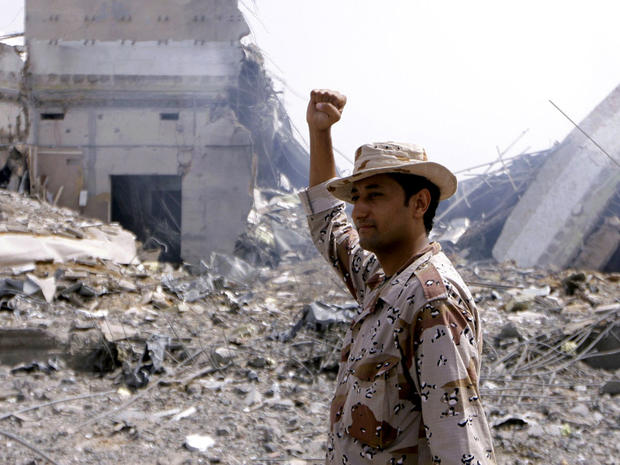
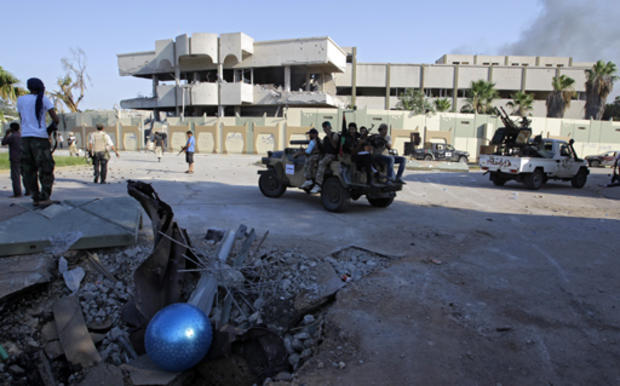
NATO began targeting Bab Al-Aziziya early in its bombing campaign. Here, a Libyan soldier gestures as he stands in front of destroyed buildings at the Bab Al-Aziziya district in Tripoli on June 7, 2011.
Getty Images
This photo taken on a guided government tour shows a Libyan soldier loyal to Col. Muammar Qaddafi inspecting damage to a conference room inside his office building following a NATO airstrike in Bab al-Aziziya in Tripoli, early April 25, 2011.
AP Photo/Sergey Ponomarev
Rebel fighters seen inside the main Muammar Qaddafi compound in Bab al-Aziziya in Tripoli, Libya, Aug. 24, 2011.
Getty Images
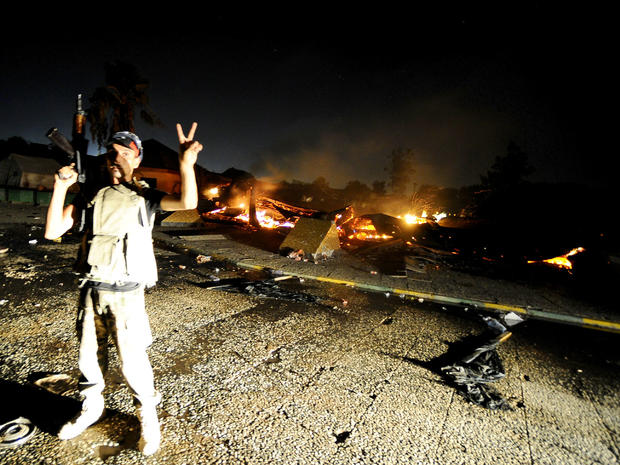
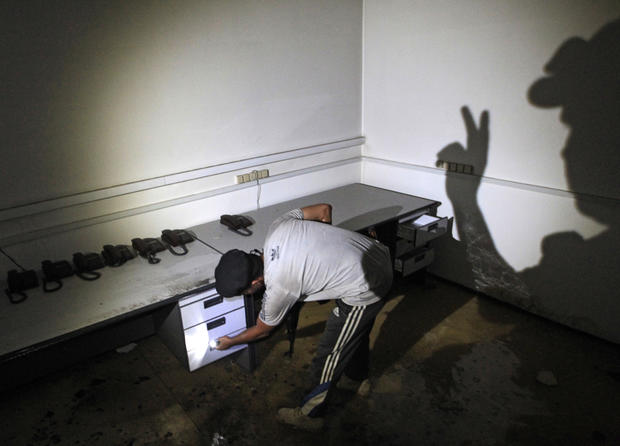
A Libyan rebel flashes the V-sign after overrunning Libyan leader Muammar Qaddafi's fortified Bab al-Azizya headquarters in the capital Tripoli following heavy fighting on August 23, 2011.
AP Photo
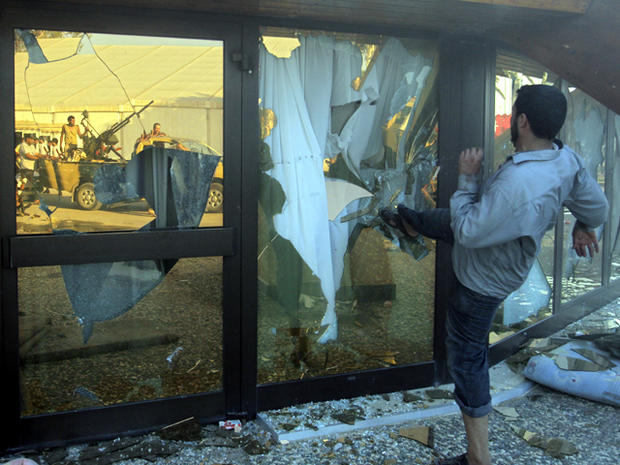
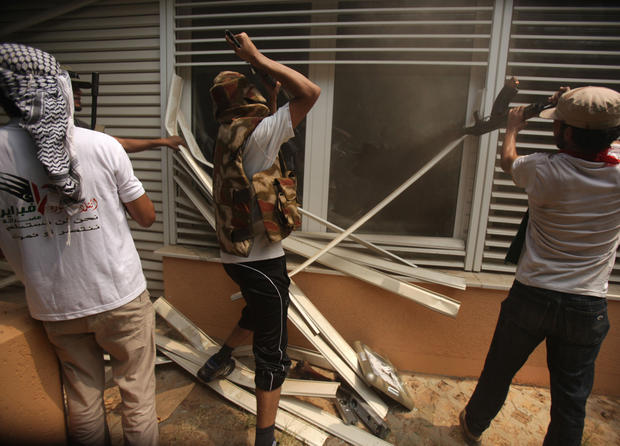
A rebel fighter breaks the glass of Muammar Qaddafi's tent inside his main compound in Bab Al-Aziziya in Tripoli, Libya, Aug. 23, 2011.
PATRICK BAZ/AFP/Getty Images
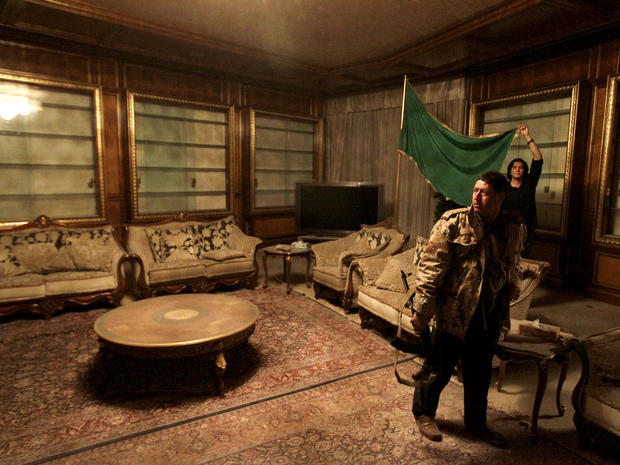
Rebels break into a living room at Libyan leader Muammar Qaddafi's Bab al-Aziziya compound in Tripoli on August 24, 2011.
AP Photo
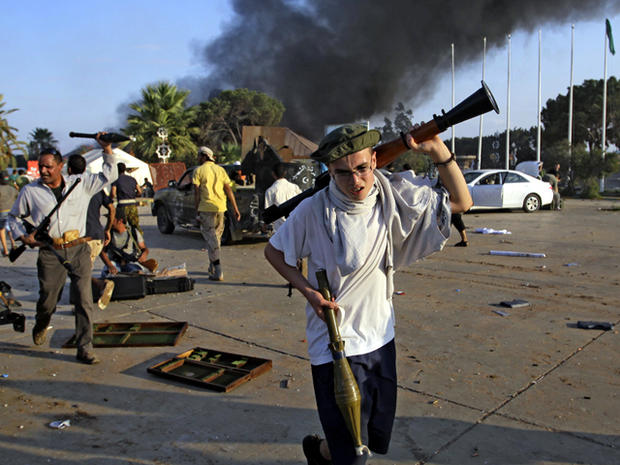
A rebel fighter carries a gun inside Muammar Qaddafi's main compound in Bab al-Aziziya in Tripoli, Libya, Aug. 23, 2011.
AP Photo/Sergey Ponomarev
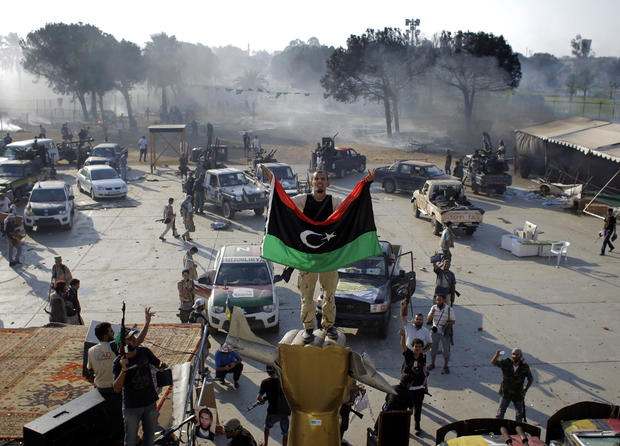
A rebel fighter gestures as he stands on the monument inside the main compound of Muammar Qaddafi in Bab Al-Aziziya in Tripoli, Libya, Tuesday, Aug. 23, 2011.
AP Photo/Francois Mori
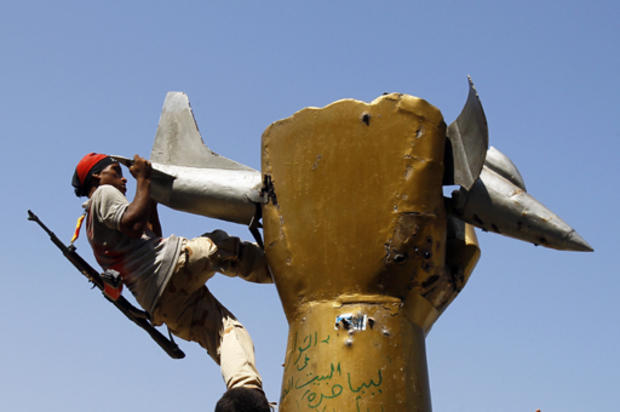
A rebel fighter climbs on top of a statue inside Muammar Qaddafi's compound in Tripoli, Libya, early Wednesday, Aug. 24, 2011. The statue, titled "Fist Crushing a U.S. Fighter Plane," is a monument to the U.S. bombing of Libya in 1986.
AP Photo/Sergey Ponomarev
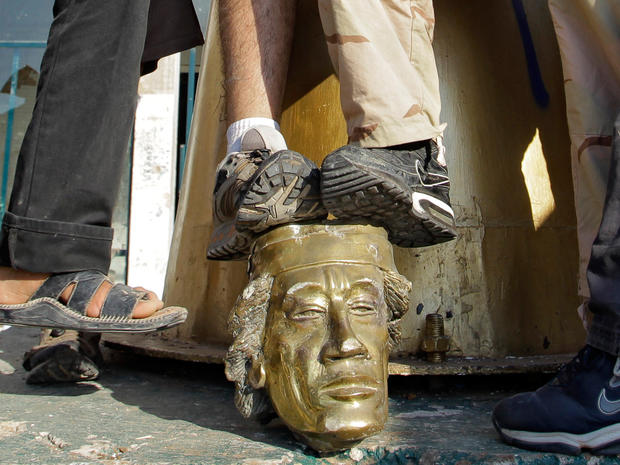
Rebel fighters trample on a head of Muammar Qaddafi inside his captured compound in Bab al-Aziziya in Tripoli, Tuesday, Aug. 23, 2011. Libya's rebel leadership has offered a $2 million bounty on Qaddafi's head, but the autocrat has refused to surrender as his 42-year regime crumbles, fleeing to an unknown destination.
AP Photo/Sergey Ponomarev
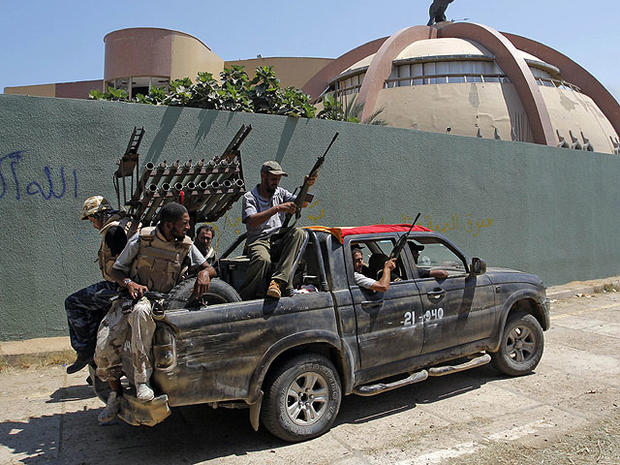
Rebel cars seen inside the main Muammar Qaddafi compound in Bab Al-Aziziya in Tripoli, Libya, Tuesday, Aug. 23, 2011.
AP Photo/Sergey Ponomarev
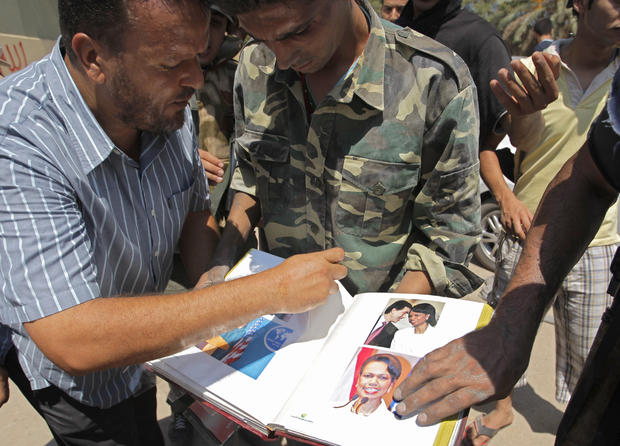
Rebel fighters look through a photo album they found containing pictures of former U.S. Secretary of State Condoleezza Rice, found inside Muammar Qddafi's compound in Bab Al-Aziziya in Tripoli, Aug. 24, 2011. Over the years, the Libyan leader's comments and actions related to the former Bush administration official have raised a few eyebrows - as when he hailed Rice's influence in the Arab world in a 2007 TV interview. "I support my darling black African woman," he said. "I admire and am very proud of the way she leans back and gives orders to the Arab leaders. ... Leezza, Leezza, Leezza. ... I love her very much. I admire her, and I'm proud of her, because she's a black woman of African origin."
In 2008 when Rice visited Tripoli Qaddafi welcomed her in his home - one that President Ronald
Reagan once ordered bombed in retaliation for Libya's attack on a German disco. During the visit, he presented Rice with a diamond ring, a lute, a locket with an engraved likeness of himself inside, and an inscribed edition of his personal manifesto, "The Green Book."
PATRICK BAZ/AFP/Getty Images
Libyan rebels move into the Bab al-Aziziya compound that was headquarters of Libyan leader Col. Muammar Qaddafi, August 25, 2011.
AP Photo/Francois Mori
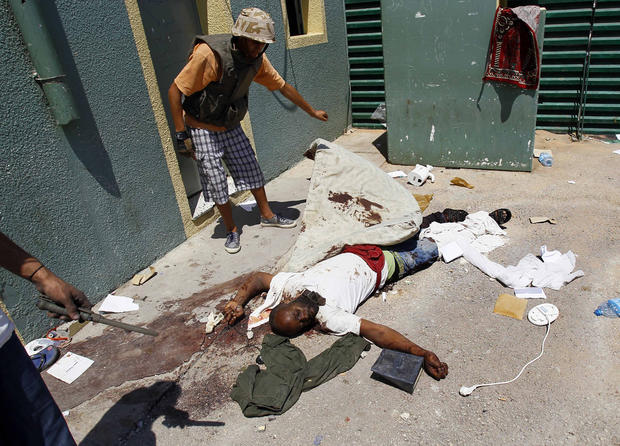
Rebel fighters show the dead body of a pro-Qaddafi fighter, as gun battles continued inside Muammar Qaddafi's compound Bab al-Aziziya in Tripoli, Libya, early Wednesday, Aug. 24, 2011.
AP Photo/Sergey Ponomarev
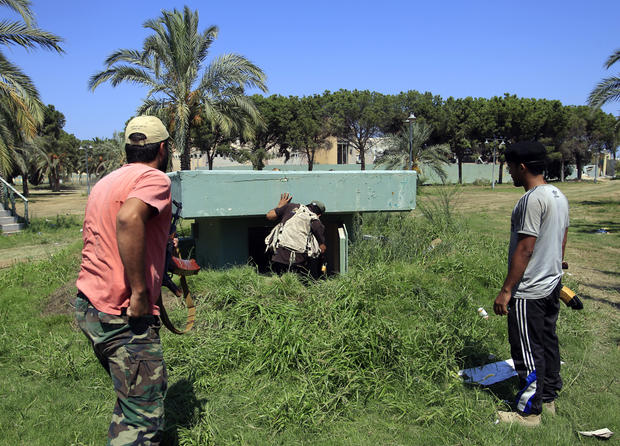
Rebel fighters enter a bunker in the main Muammar Qaddafi compound in Bab Al-Aziziya in Tripoli, Libya, Thursday, Aug. 25, 2011.
PATRICK BAZ/AFP/Getty Images
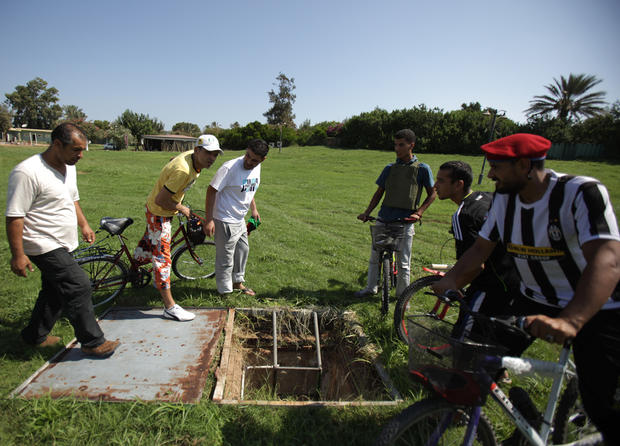
Libyan rebels inspect a tunnel at the Bab al-Aziziya compound in Tripoli on August 25, 2011.
AP Photo/Sergey Ponomarev
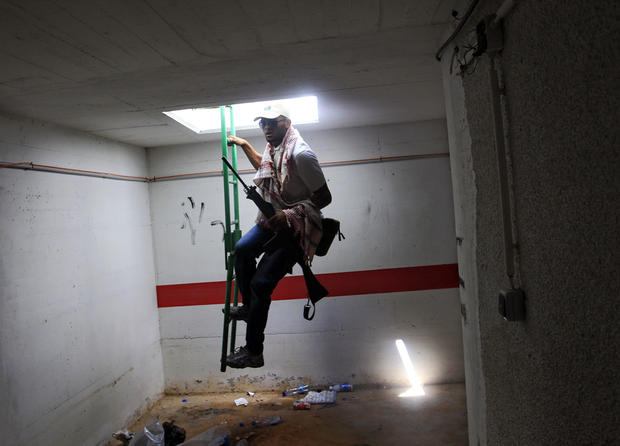
A rebel fighter enters a bunker of the main Muammar Qaddafi compound in Bab Al-Aziziya in Tripoli, LIbya, Thursday, Aug. 25, 2011.
AP Photo/Sergey Ponomarev
Rebel fighters search a room in the bunker of the Qaddafi compound in Bab Al-Aziziya in Tripoli, Thursday, Aug. 25, 2011.
AP Photo/Sergey Ponomarev
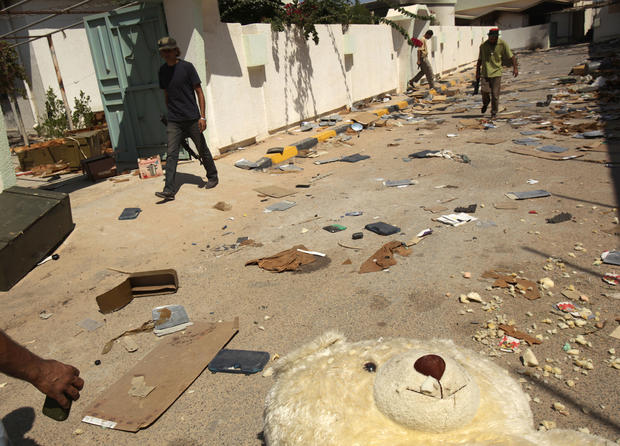
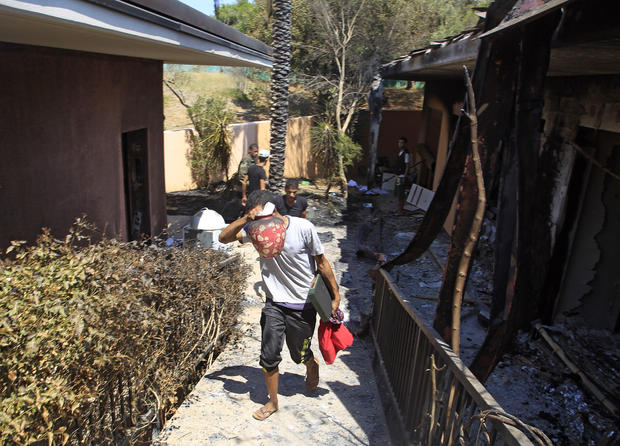
A Libyan covers his face as he carries items from a fire-damaged building believed to be a home of Saif Al-Isam Gadhafi, in the Bab Al-Aziziya compound in Tripoli, Thursday, Aug. 25, 2011.