New York Zoological Society
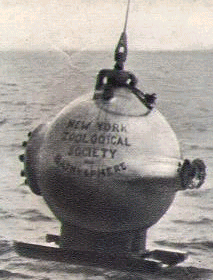
For years, the New York Zoological Society's Bathysphere stood near my home at the NY Aquarium in Coney Island. I dreamed one day I would get to see the ocean bottom.
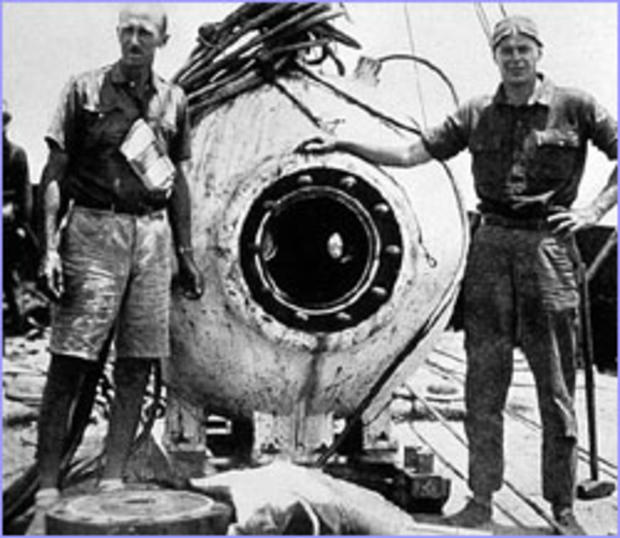
Beebe and Barton
New York Zoological Society
In 1934, Dr. Beebe and Mister Barton broke the world's deepest dive-record in the Bathysphere.
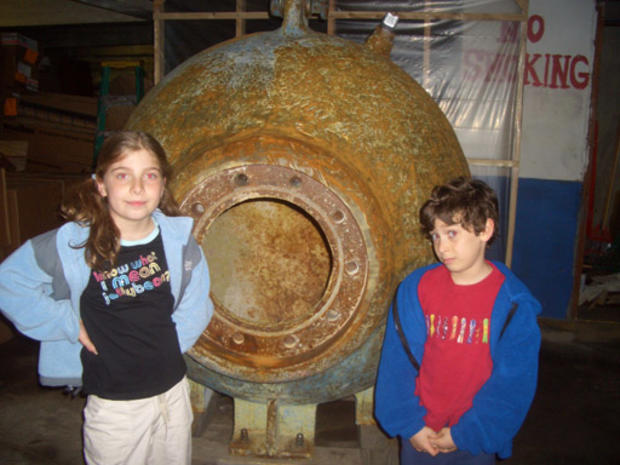
My Poor Kids
CBS
Dubno takes his beleaguered kids on a quest to find the original Bathysphere, in storage at the New York Aquarium. The Bathysphere will return to public display later this month.
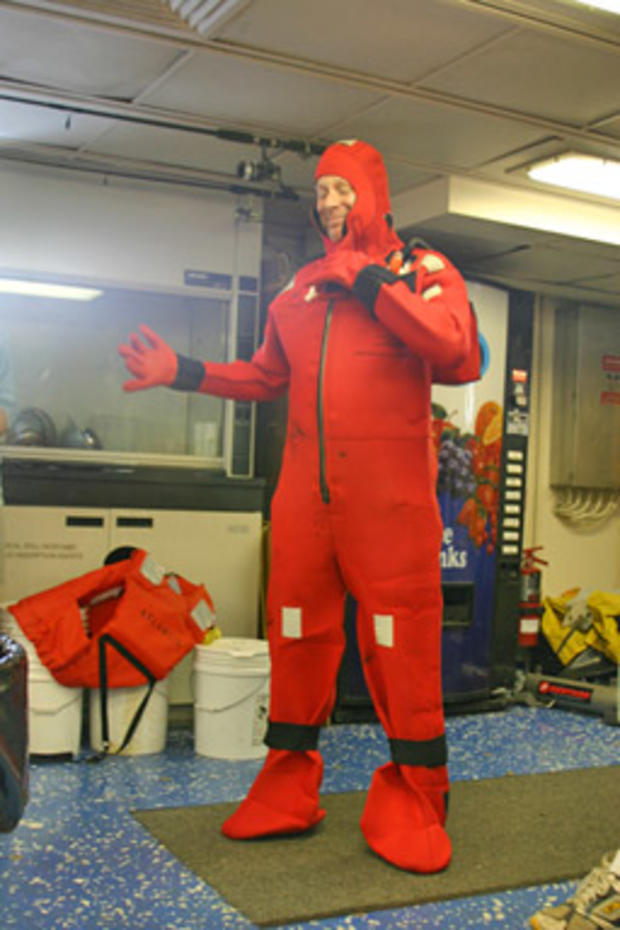
Gumby Boy
Woods Hole Oceanographic Ins.
On the R/V Atlantis, Dan Dubno dons an exposure suit during one of the frequent safety drills. The highly buoyant safety garb is called the "Gumby Suit" for obvious reasons.
Arm Check
Woods Hole Oceanographic Ins.
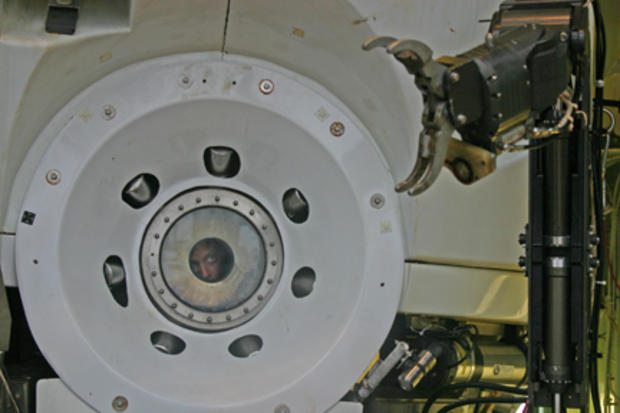
Alvin pilot tests one of the titanium arms on the deep-sea submersible before another research dive on the Galapagos Rift site "Rosebud."
Alvin Deployed
Woods Hole Oceanographic Ins.
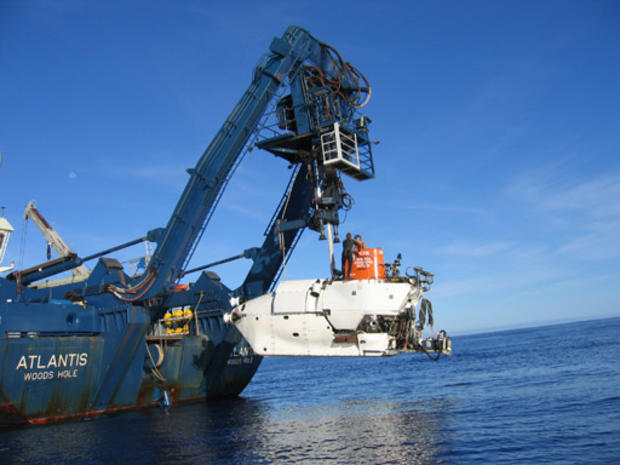
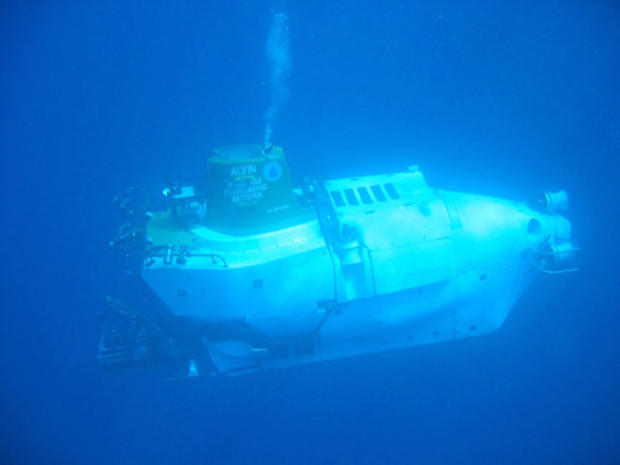
Deep-sea submersible Alvin is lowered from its home on the Woods Hole Research Vessel Atlantis to explore the Galapagos.
Prepare to Dive!
Woods Hole Oceanographic Ins.
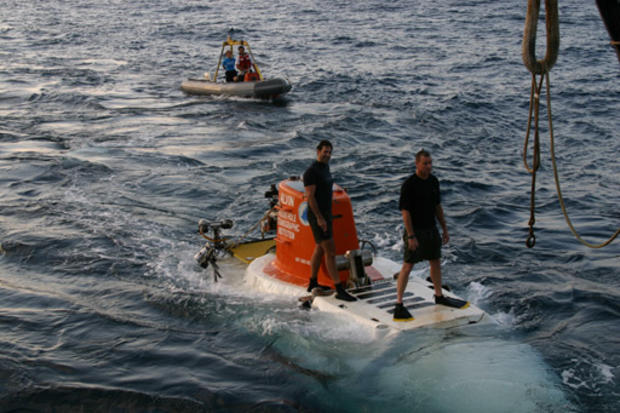
Deep-submergence research vessel Alvin is launched from the R/V Atlantis, with divers aboard, before the descending to the bottom of the Galapagos Rift.
Alvin Divers
Woods Hole Oceanographic Ins.
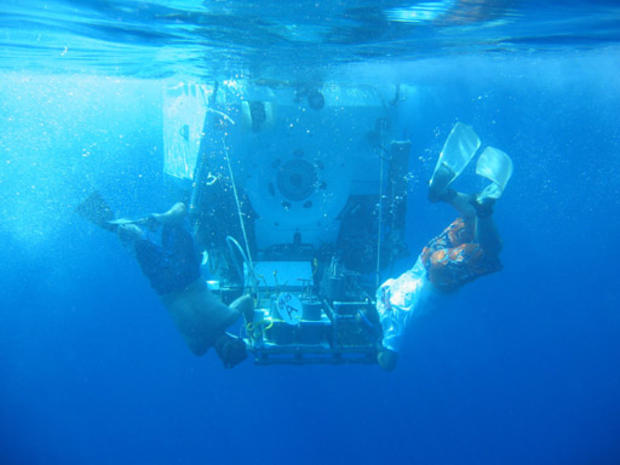
Divers of the Alvin team examine the collection tray before the sub descends to collect samples on the Galapagos Rift.
To The Bottom
Woods Hole Oceanographic Ins.
Deep-ocean research submersible Alvin begins the one and a half-hour descent to the geothermal vents at the Galapagos Rift.
Diver Dan
Woods Hole Oceanographic Ins.
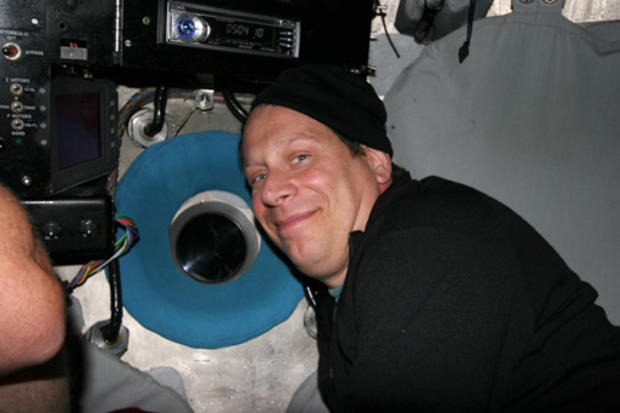
Dan Dubno, trying vainly to be blase, at the bottom of the Galapagos Rift... almost two-miles down, inside the deep-submersible Alvin.
Deep Thinker
Woods Hole Oceanographic Ins.
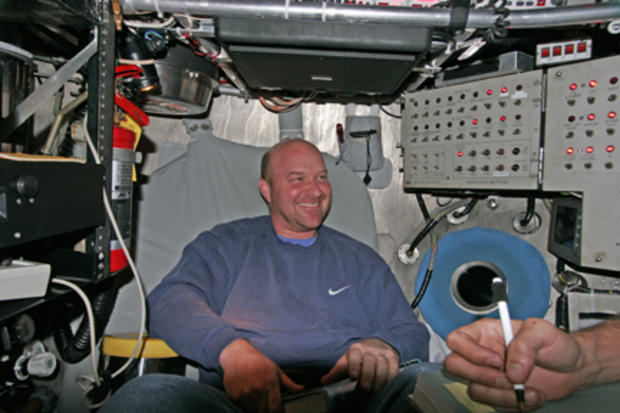
Principal Investigator Dr. Timothy Shank, happy as a giant clam, on the bottom of the Galapagos Rift in Alvin.
<i>Riftia Pachyptiya</i>
Woods Hole Oceanographic Ins.
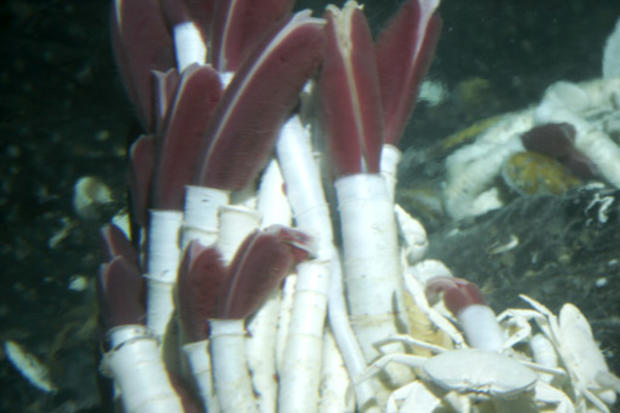
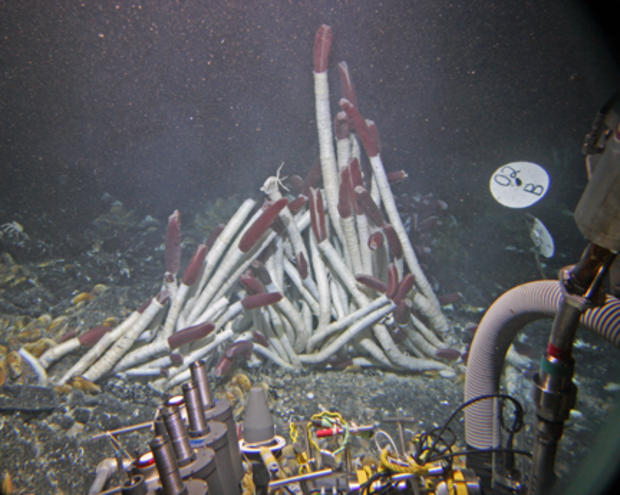
Close-up of Riftia, the giant tubeworm, chemosynthetically feeding off the highly-toxic bacteria at the geothermal vent sites in the Galapagos Rift.
<i>Riftia</i> Garden
Woods Hole Oceanographic Ins.
A "garden" of Riftia, on the bottom of the Galapagos Rift, is mapped, catalogued, and studied by the biologists on the R/V Atlantis.
Spaghetti of the Deep
Woods Hole Oceanographic Ins.
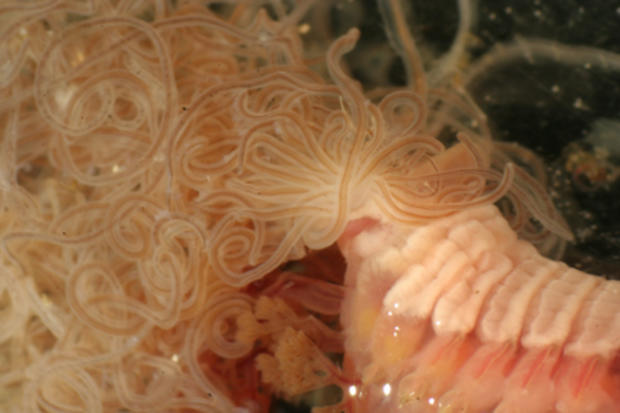
The Terebellid Worm, as seen under a microscope, with tentacles used to gather food. This worm was one of thousands of samples gathered from the ocean floor by Alvin pilots and scientists.
It's Alive!
Woods Hole Oceanographic Ins.
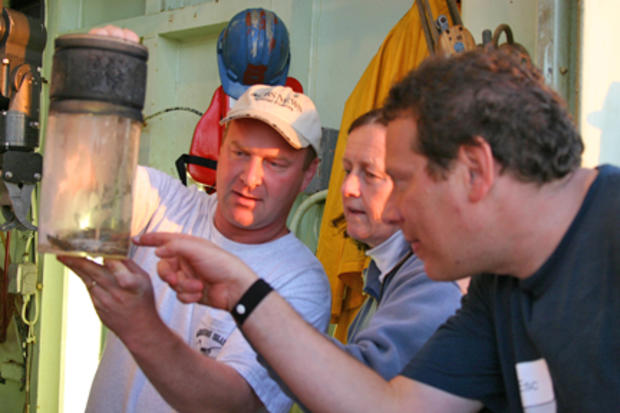
Scientists Tim Shank and Susan Humphris, of the Woods Hole Oceanographic Institution, learn a thing or two from the Jacques Cousteau of tomorrow, "Diver Dan" Dubno, about a live crab brought up from the ocean bottom. (Clearly, Dubno is delusional after his dive!)
Alvin and Atlantis
Woods Hole Oceanographic Ins.
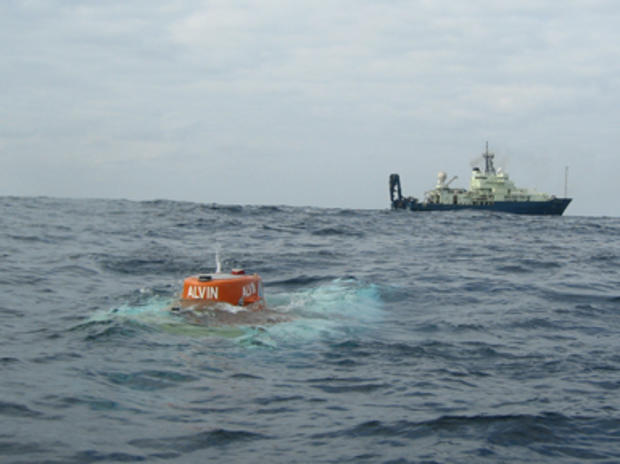
Deep-submersible Alvin and the WHOI Research Vessel Atlantis above the geothermal vents of the Galapagos Rift.
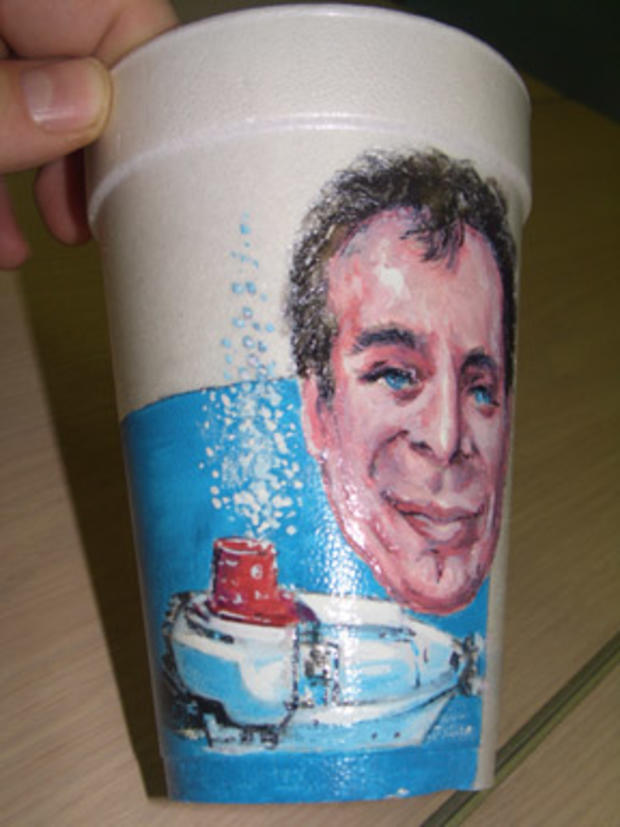
Pre-Crushed
CBS
A Styrofoam cup, painted by CBS News graphics artist and genius Ned Steinberg, of "Digital Dan" Dubno before his dive on the deep-submersible Alvin. Cups like these are crushed by the ocean and kept as souvenirs.
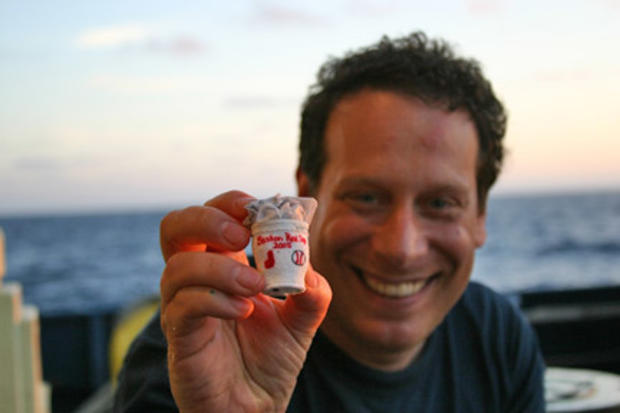
After Crushing
Woods Hole Oceanographic Ins.
"Digital Dan" Dubno holding a crushed Styrofoam cup after it descended more than 8,000 feet to the bottom of the Galapagos Rift on Alvin. Cup celebrates the Boston Red Sox... a sentiment I don't share.
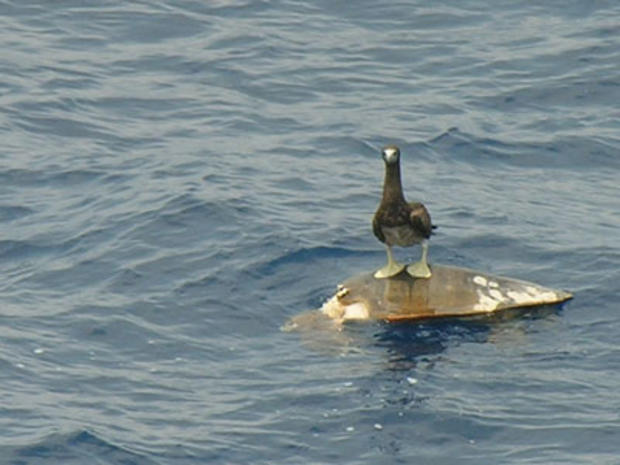
Bystanders
Woods Hole Oceanographic Ins.
Near the Galapagos Rift, a booby and turtle float by, happily watching the crew on the Research Vessel Atlantis watching them back.
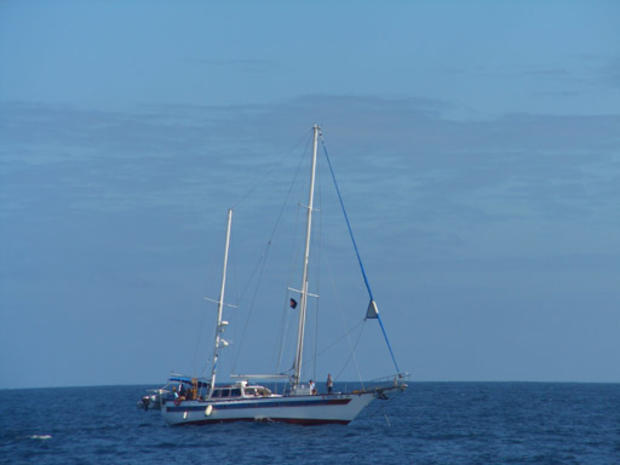
Getaway Boat
CBS
Our journey ends as the yacht Rachel bobs in the water, waiting to take us from the R/V Atlantis to the Galapagos Islands.